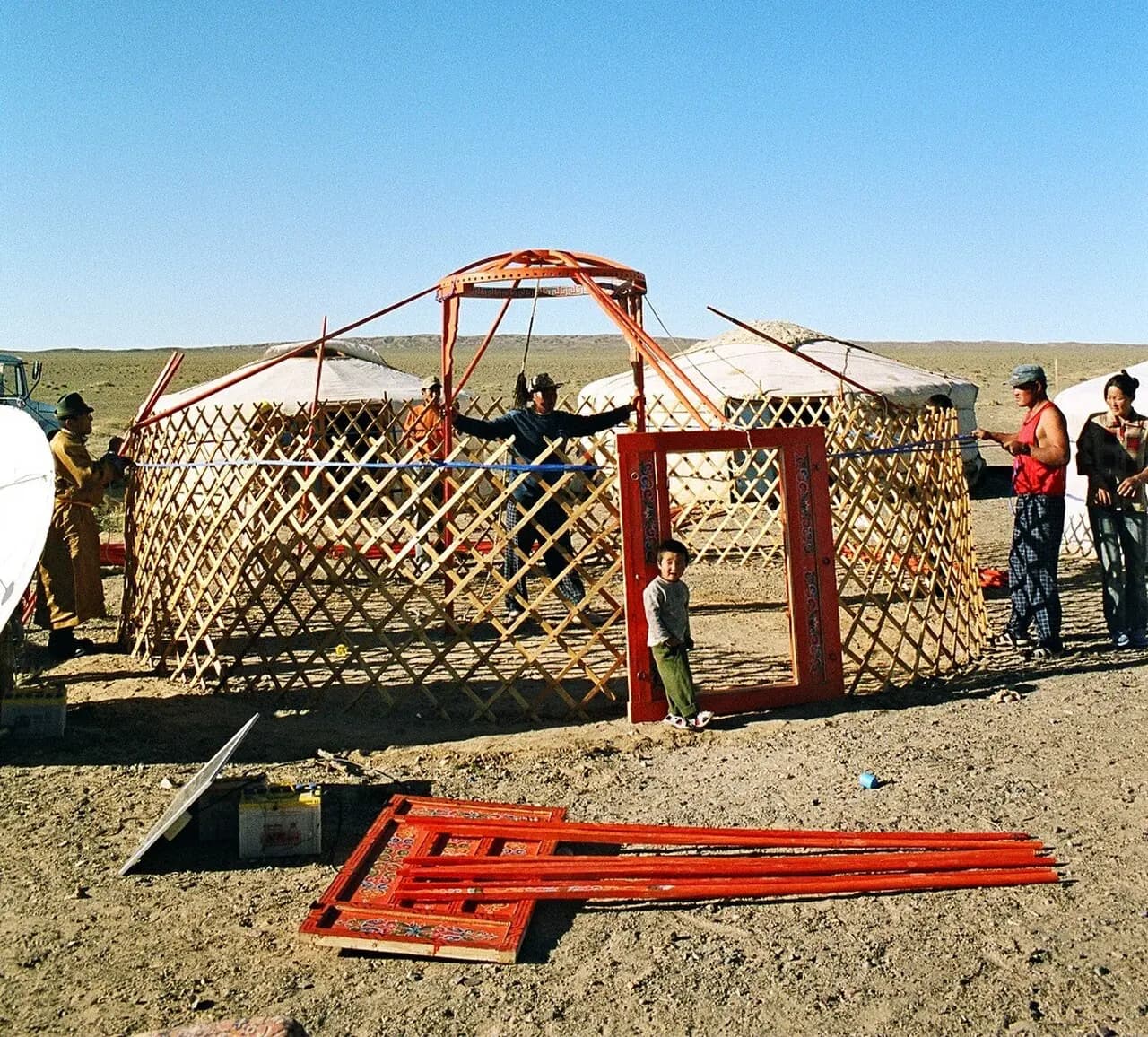
How a ger is built
Toono, uni, khana, pillars, felt: a family can put it up or take it down in a few hours.
Culture
For someone meeting Mongolian life for the first time: how to enter a ger, what not to do, what the five animals give, what throat singing is.
✓ Do
✕ Don't
The threshold, left and right, the pillars: a ger is a small world with its own rules. Read more
The crown: a wheel at the top that lets in light and lets smoke out. Sunlight through it once told the time.
Toono, uni, khana, pillars, felt: a family can put it up or take it down in a few hours.
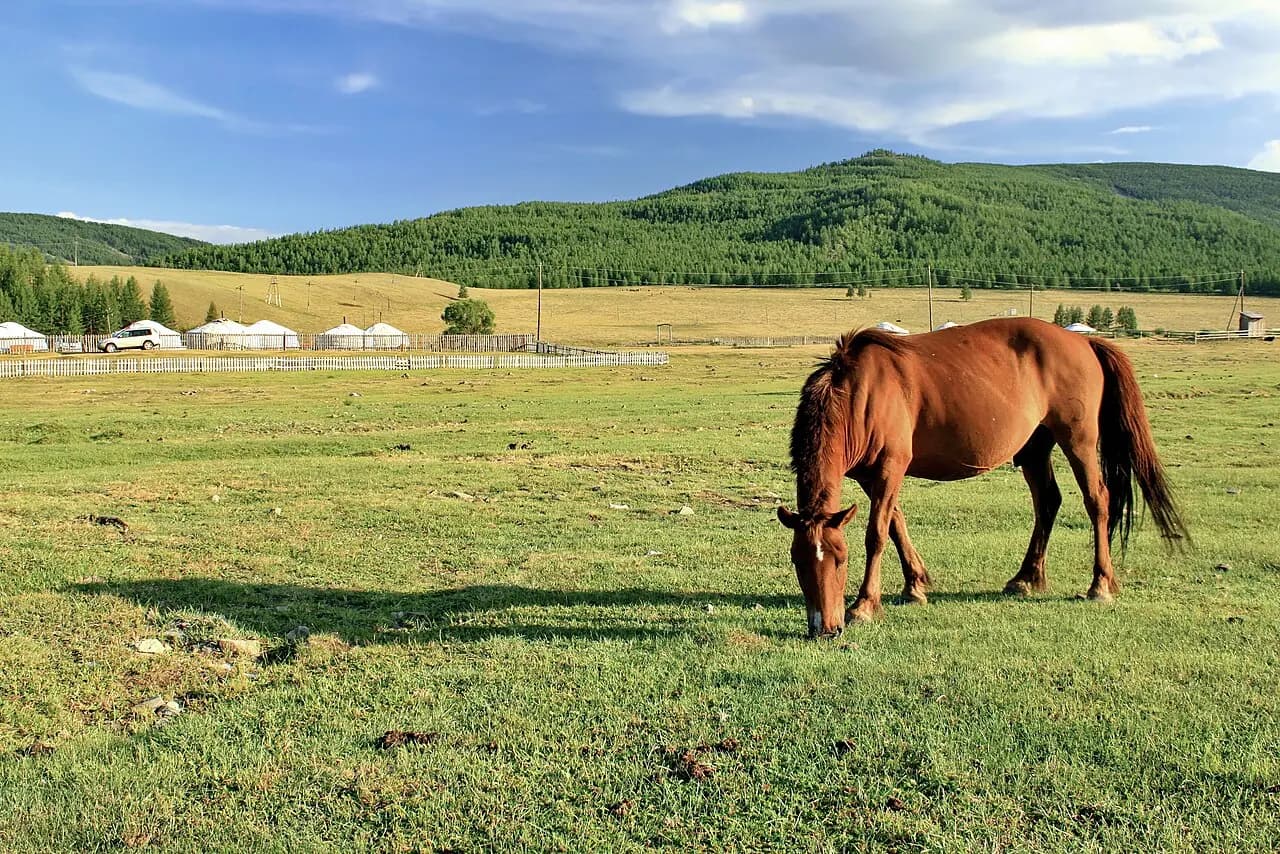
Horse, camel, cattle (and yak), sheep and goat: the whole nomadic economy.
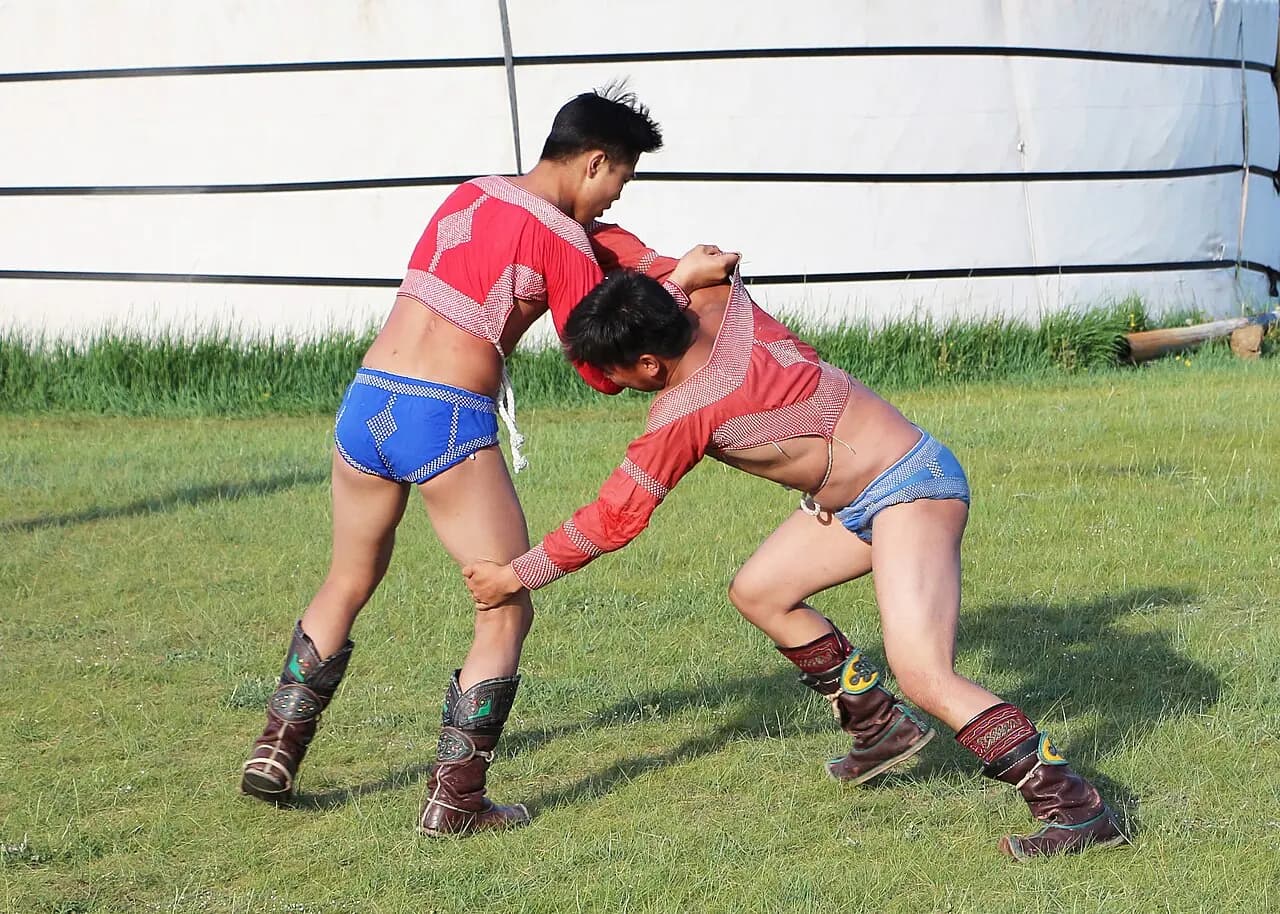
Wrestling, horse racing and archery, 11 to 13 July: rules and meaning.
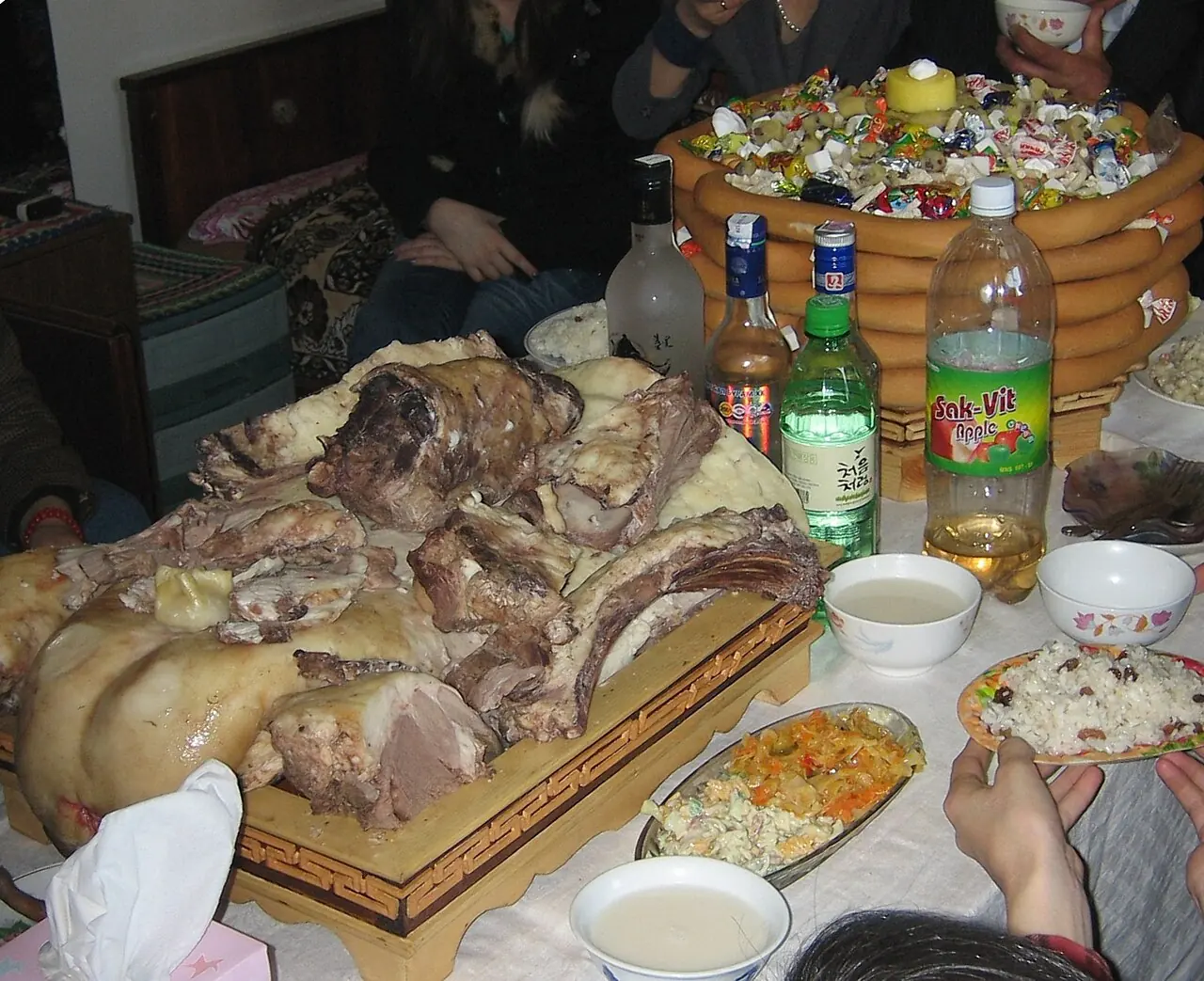
Bituun eve, the first day, the greeting and gifts of the lunar new year.
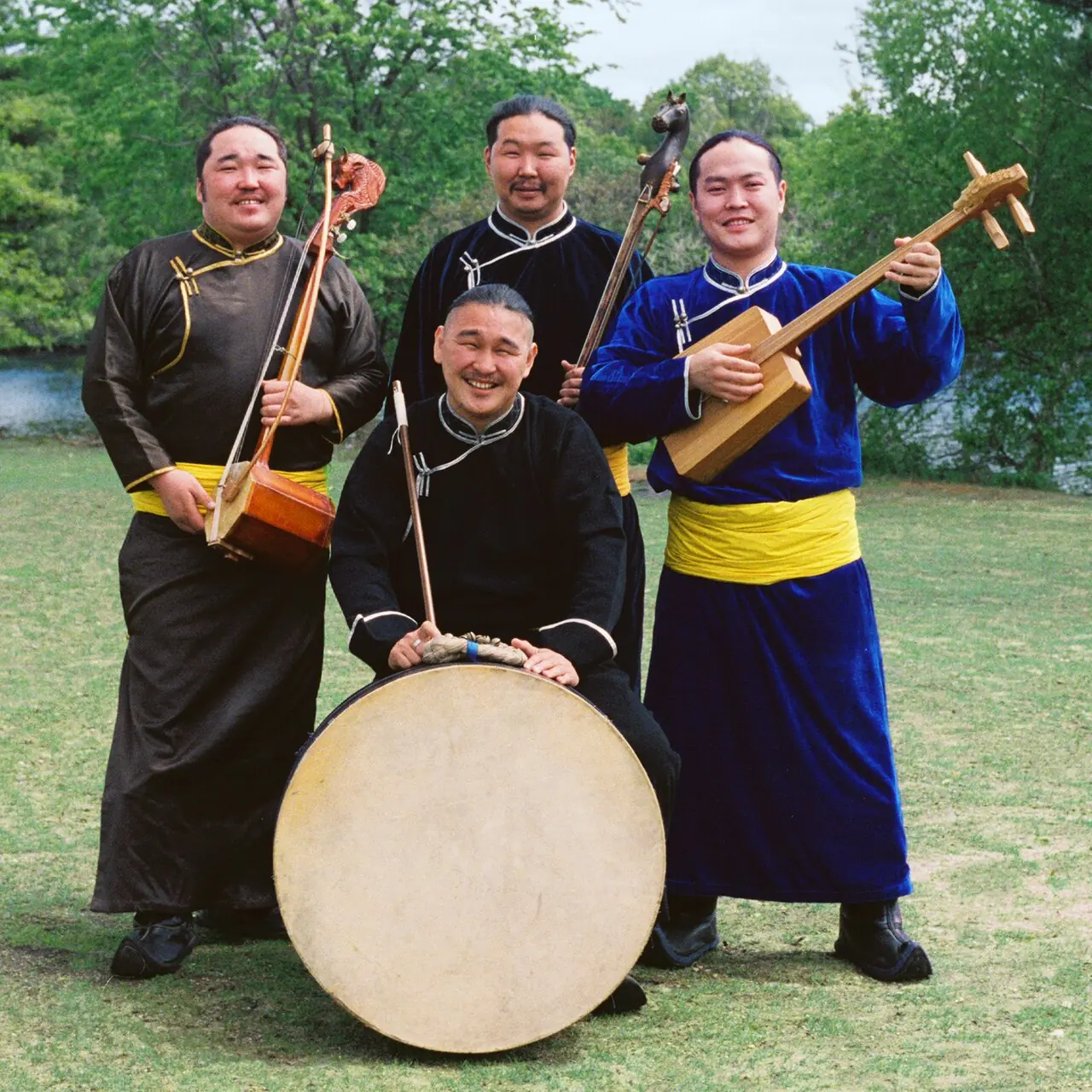
One voice, two notes at once: UNESCO intangible heritage.
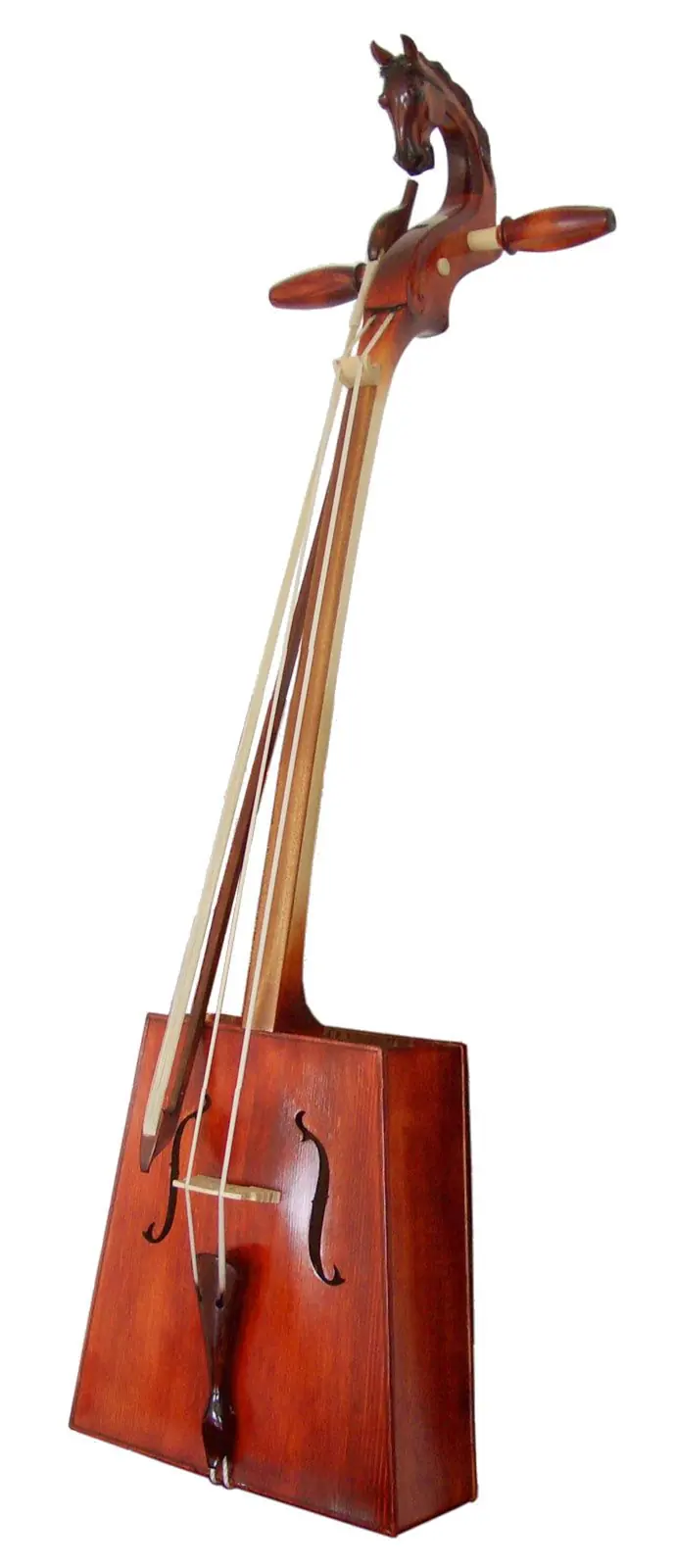
The horse-head fiddle and the drawn-out song of the steppe.
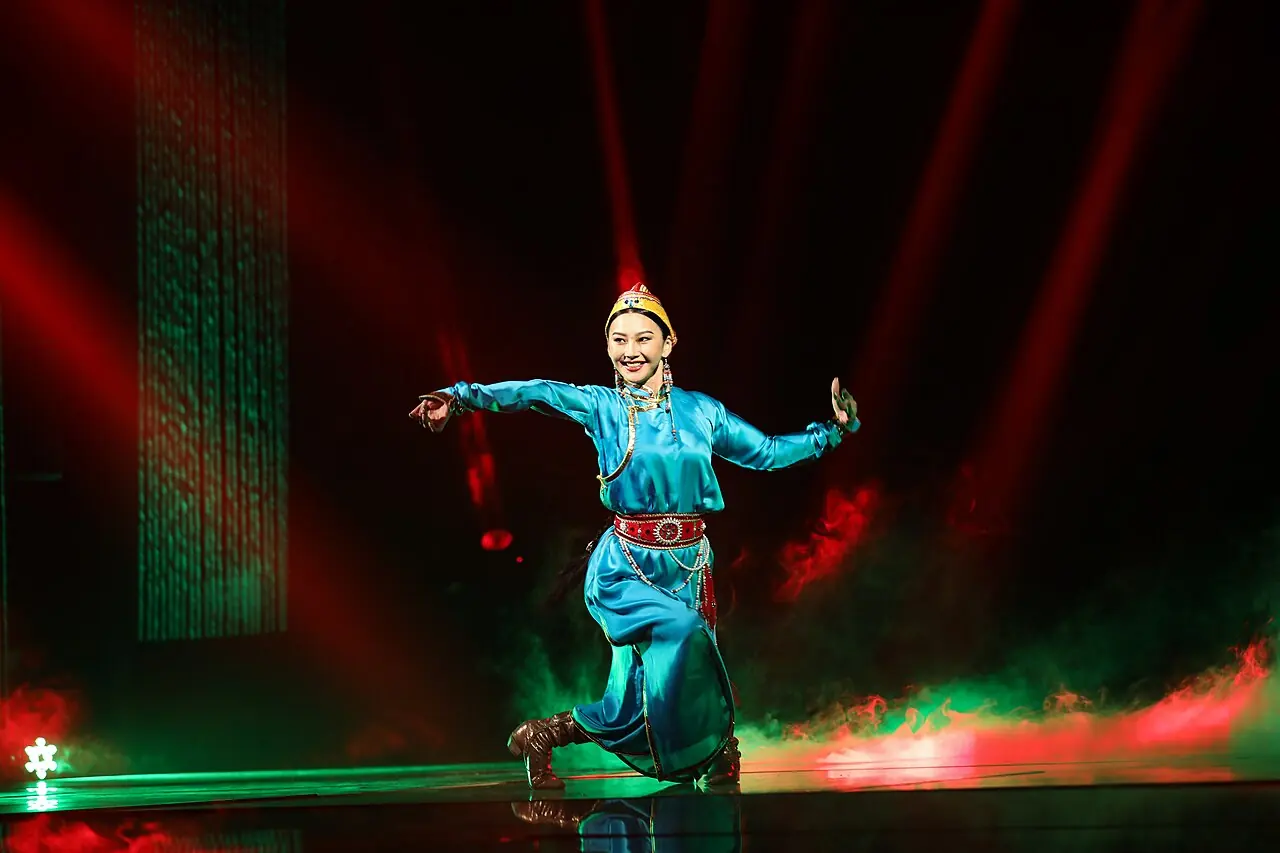
The seated, shoulder-and-arm dance of western Mongolia.
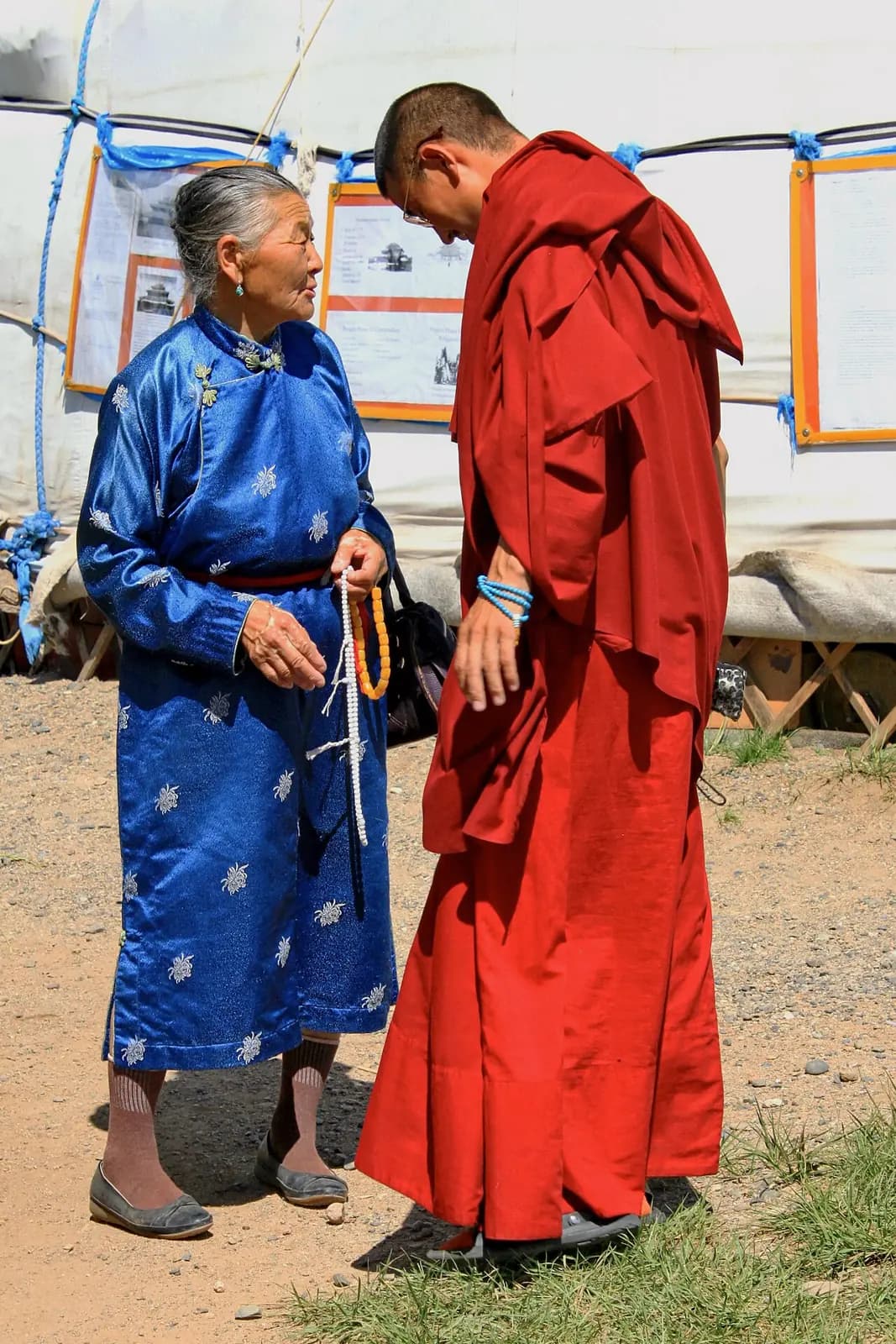
Every deel marks a people. The sash carries strength, the hat carries honour.
Culture, religion, the ger, etiquette and clothing.
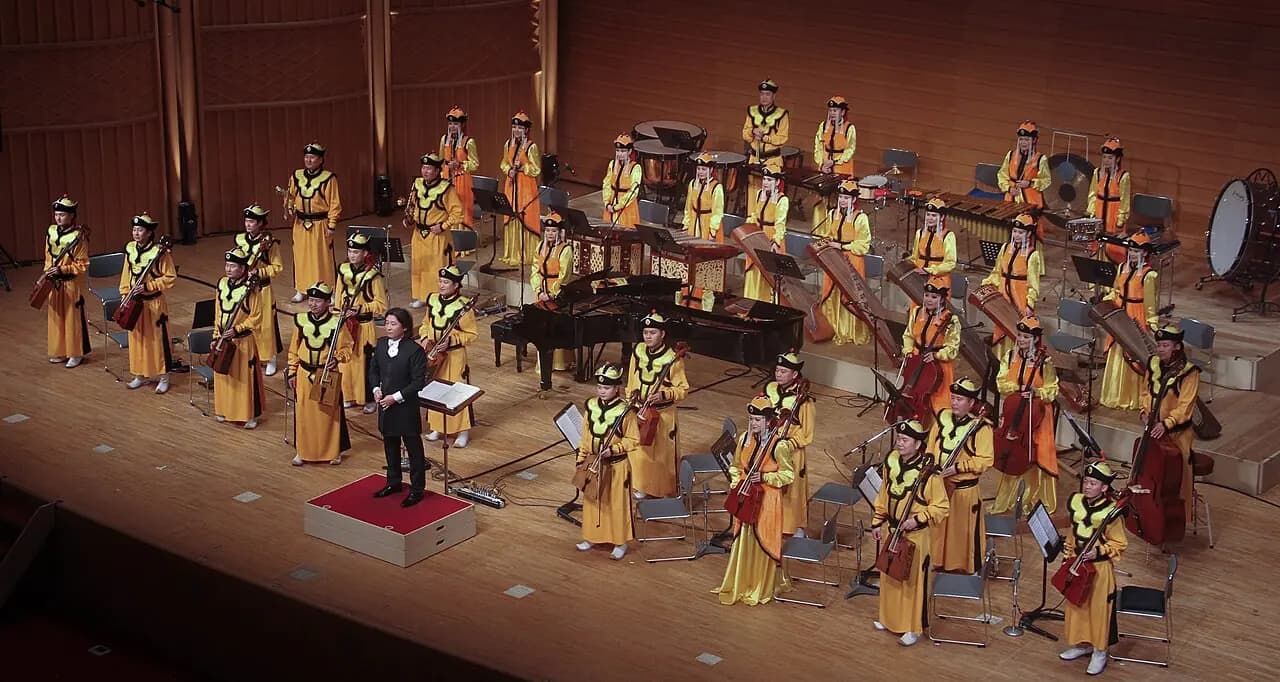
Mongolian culture explained for travellers: nomadic herding, the ger, hospitality, Naadam, Tsagaan Sar, khöömii, the morin khuur, script and core values.
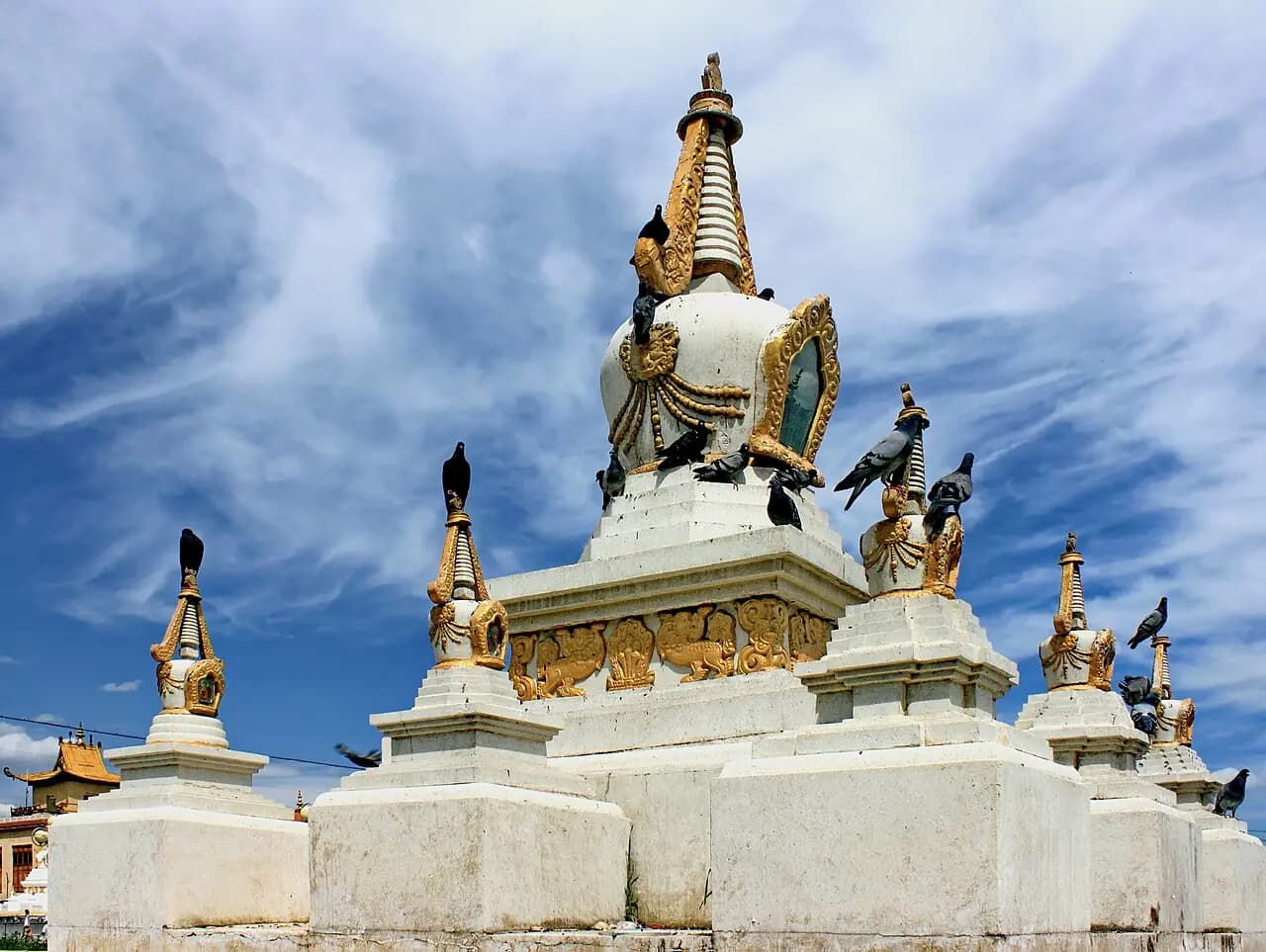
Religion in Mongolia: an overview of Buddhism, shamanism and Tengrism, Islam among Kazakhs, Christianity, religious freedom and how to visit sacred sites.
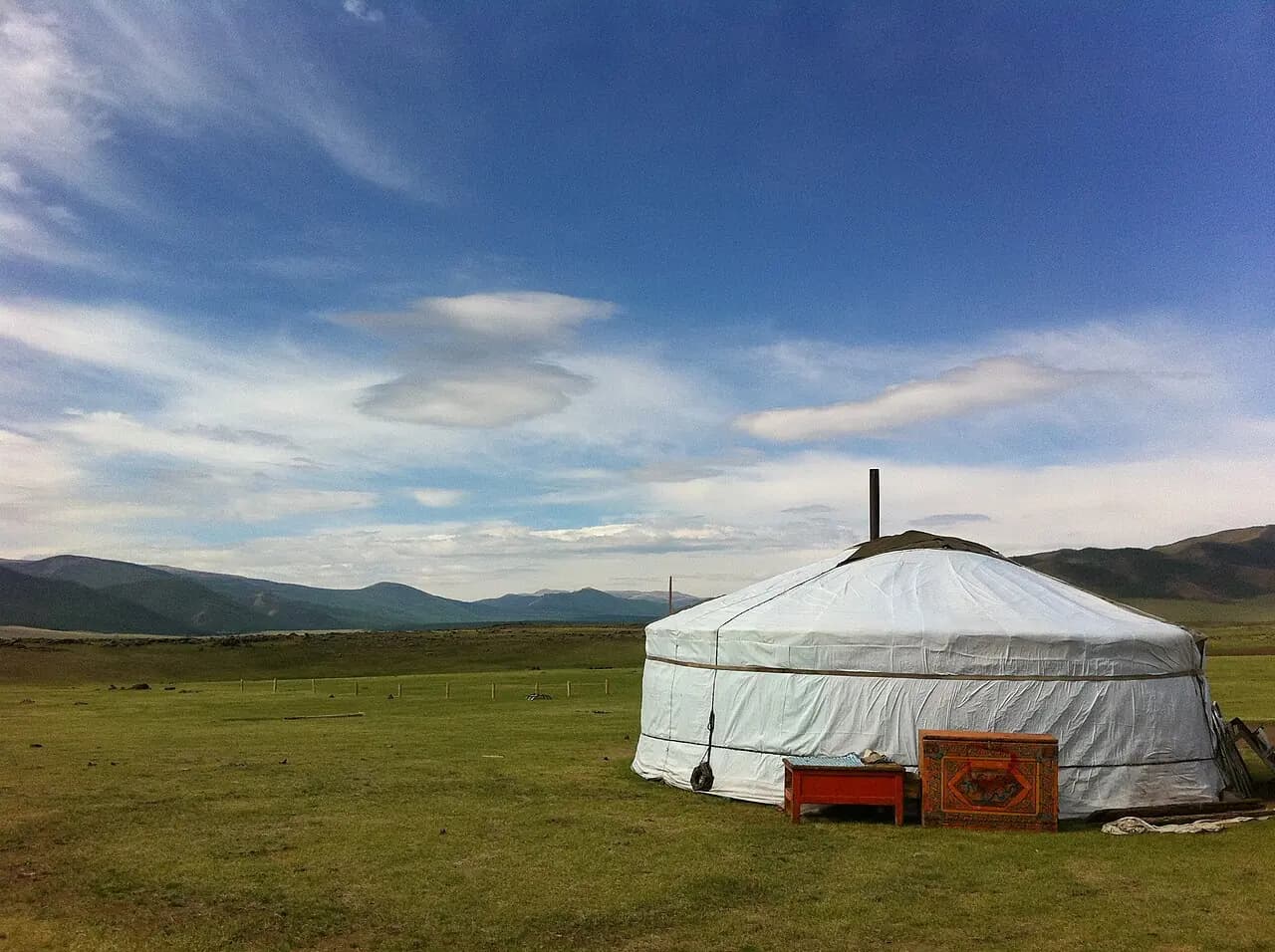
The Mongolian ger (yurt) explained: lattice walls, roof poles and crown, inside layout and customs, gers in modern Ulaanbaatar, and tips for staying in one.
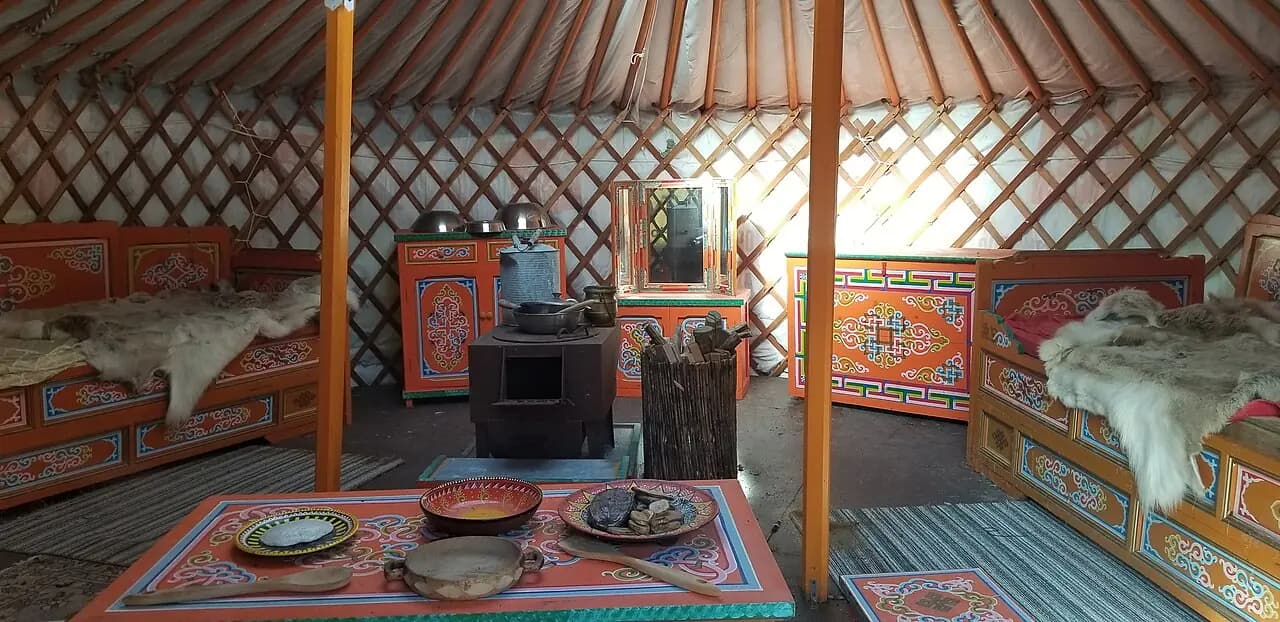
Cultural tips for visiting Mongolia: greetings, ger etiquette, accepting food and vodka, monasteries and ovoo, photos and gifts. The key do's and don'ts.

Mongolian clothes explained: the deel and its seasonal types, the sash, traditional boots and hats, regional styles, and tips for buying and wearing a deel.
People, youth, values, nomadic life and the family.
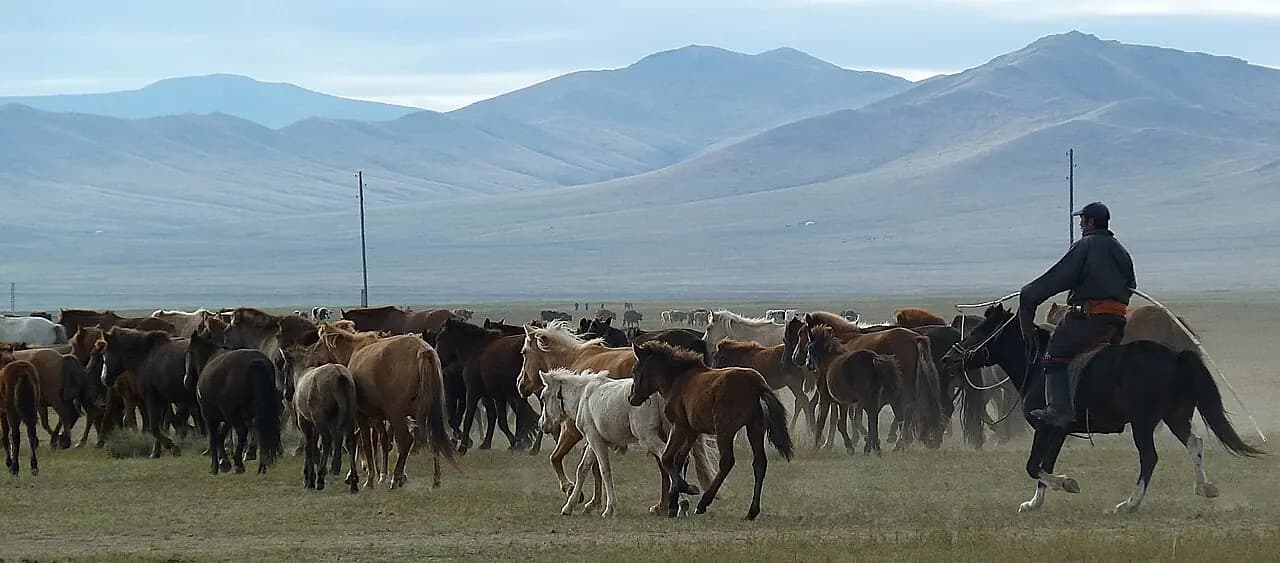
Mongolian people at a glance: about 3.5 million (2024), half in Ulaanbaatar. Khalkha majority, Kazakhs, Buryats, Dörvöd, Tuvans, Tsaatan, language and names.

Youth in Mongolia: a young population, education and study abroad, hip-hop and folk rock, tech and e-sports, and how city life still connects to the steppe.
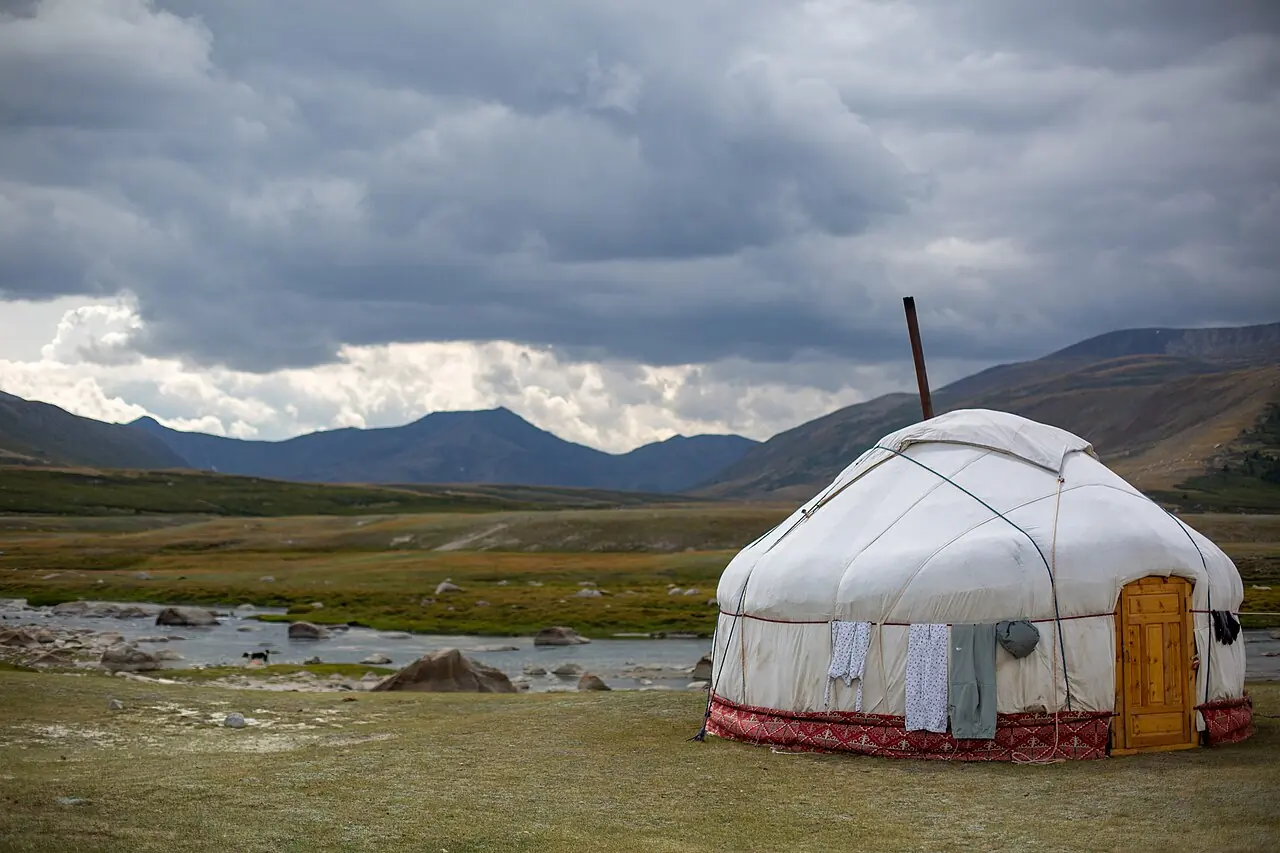
Mongolian values explained: hospitality, respect for elders, reverence for nature, the horse and the hearth, with tips on how travellers can show respect.
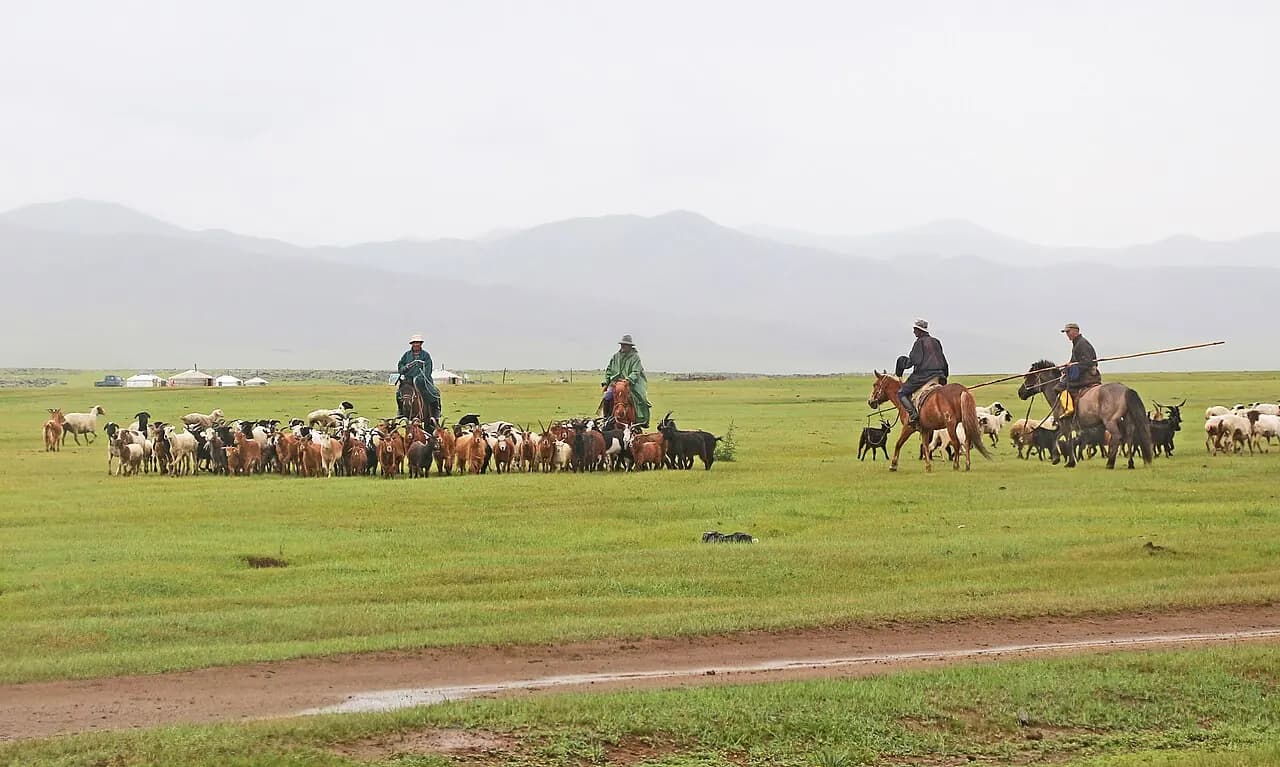
Nomadic life in Mongolia: seasonal moves between camps, the five animals, the herder's year, dzud winters and tips for staying with a herding family.
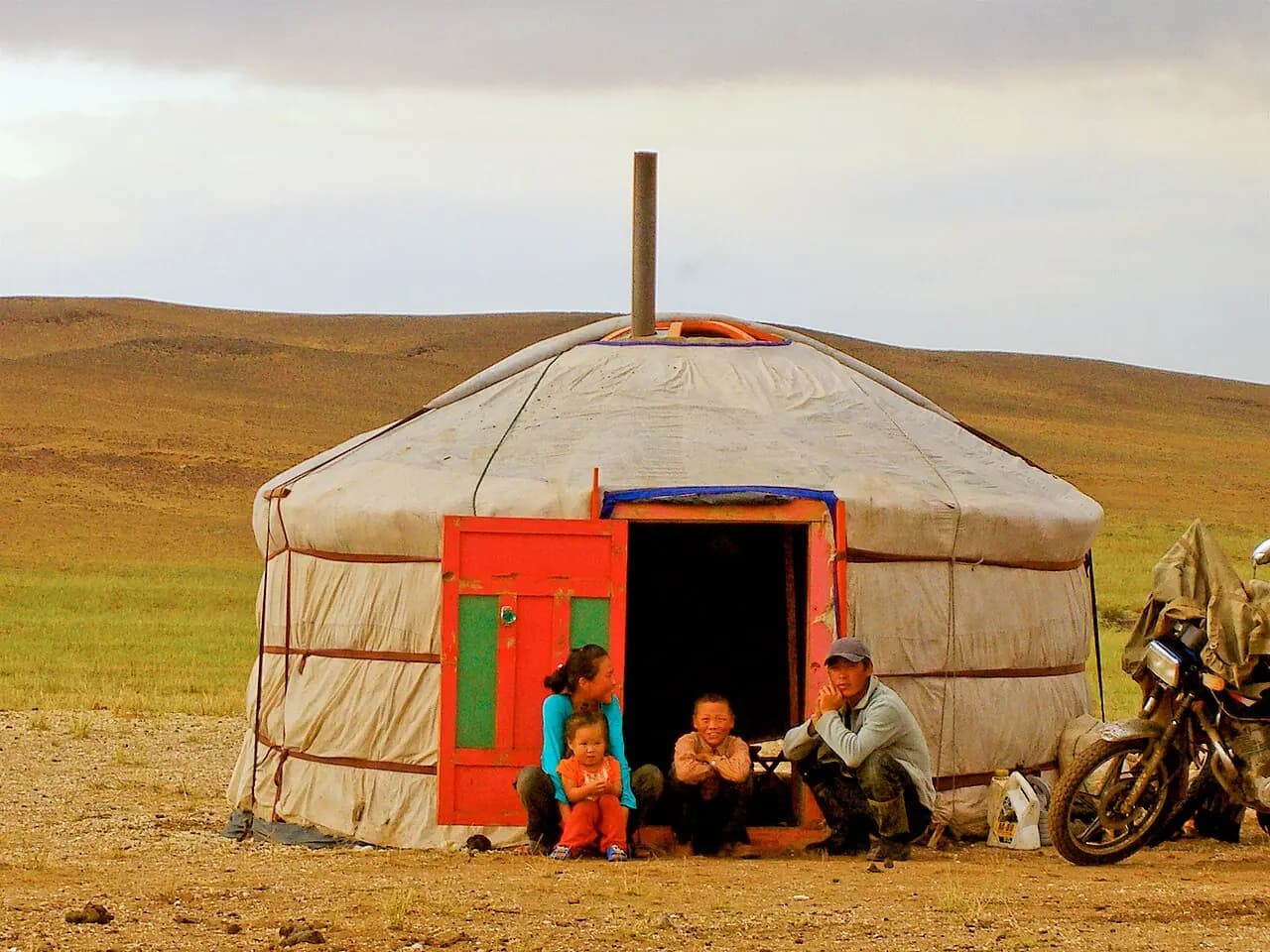
Mongolian family values: close extended families, respect for elders, the youngest son as hearth keeper, the first haircut, Tsagaan Sar and modern city change.
Handicraft, folk art, calligraphy, bone carving and metalwork.
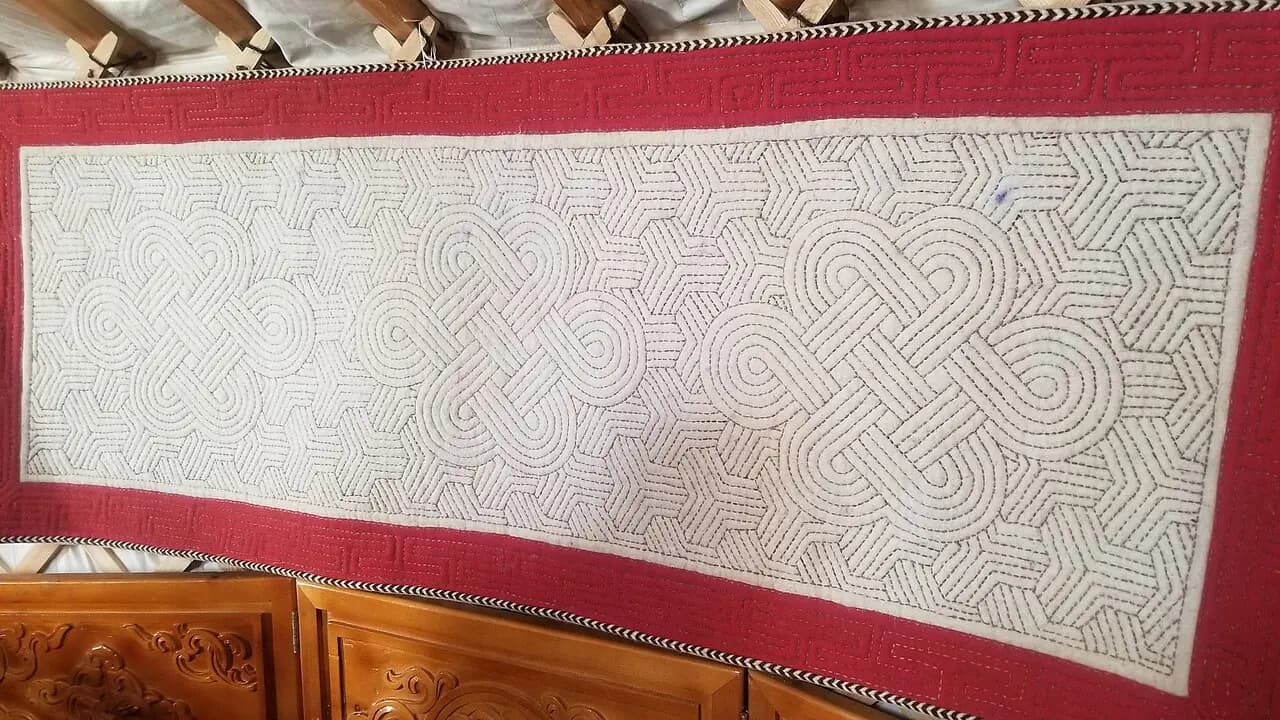
Mongolian traditional handcraft explained: felt making, ger building, saddles, embroidery and leatherwork, plus tips on buying authentic crafts as a traveller.
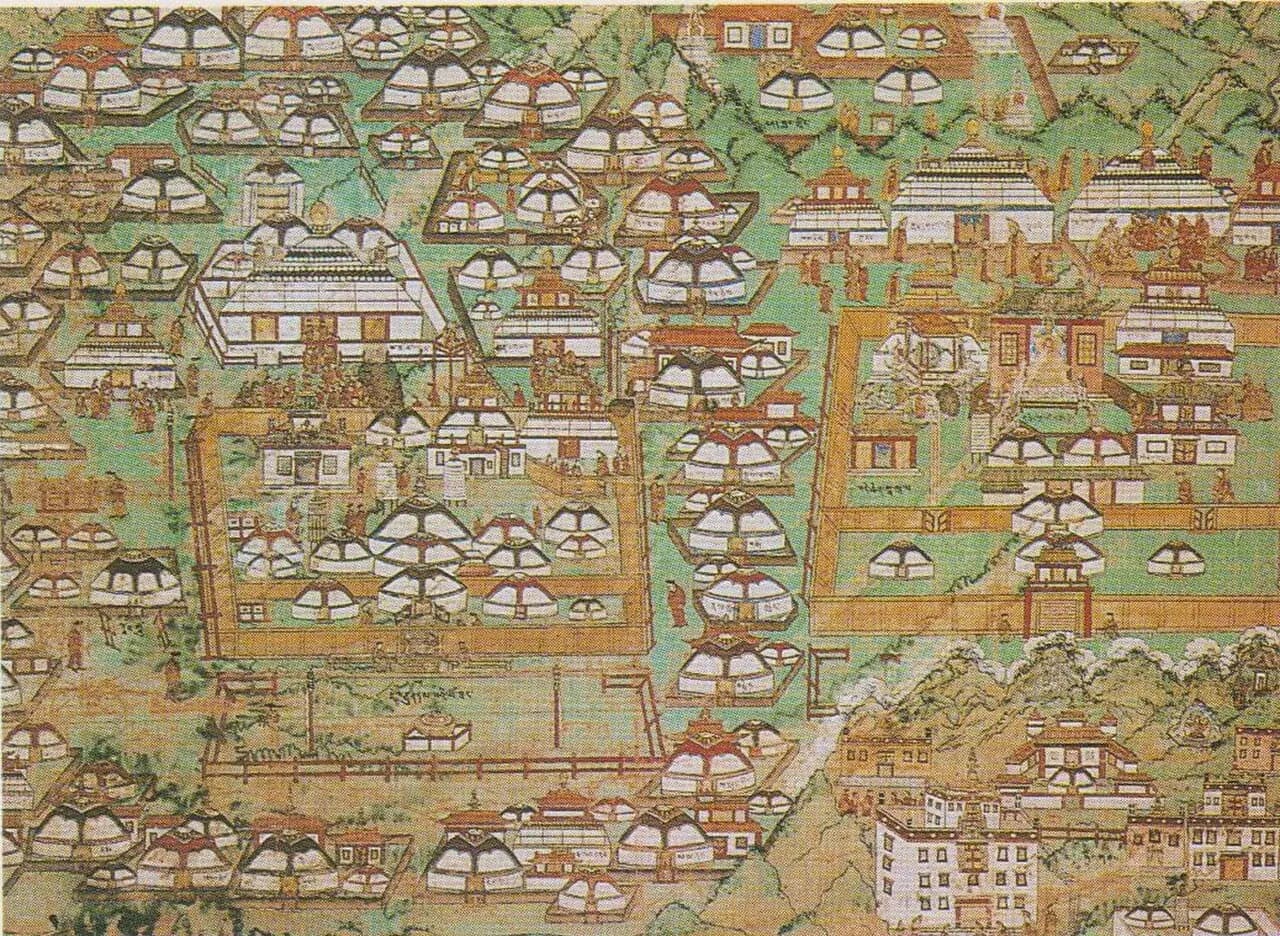
Mongolian folk art guide: the ölzii knot and other khee patterns, the meaning of colours, the Mongol zurag painting style and where to see it.
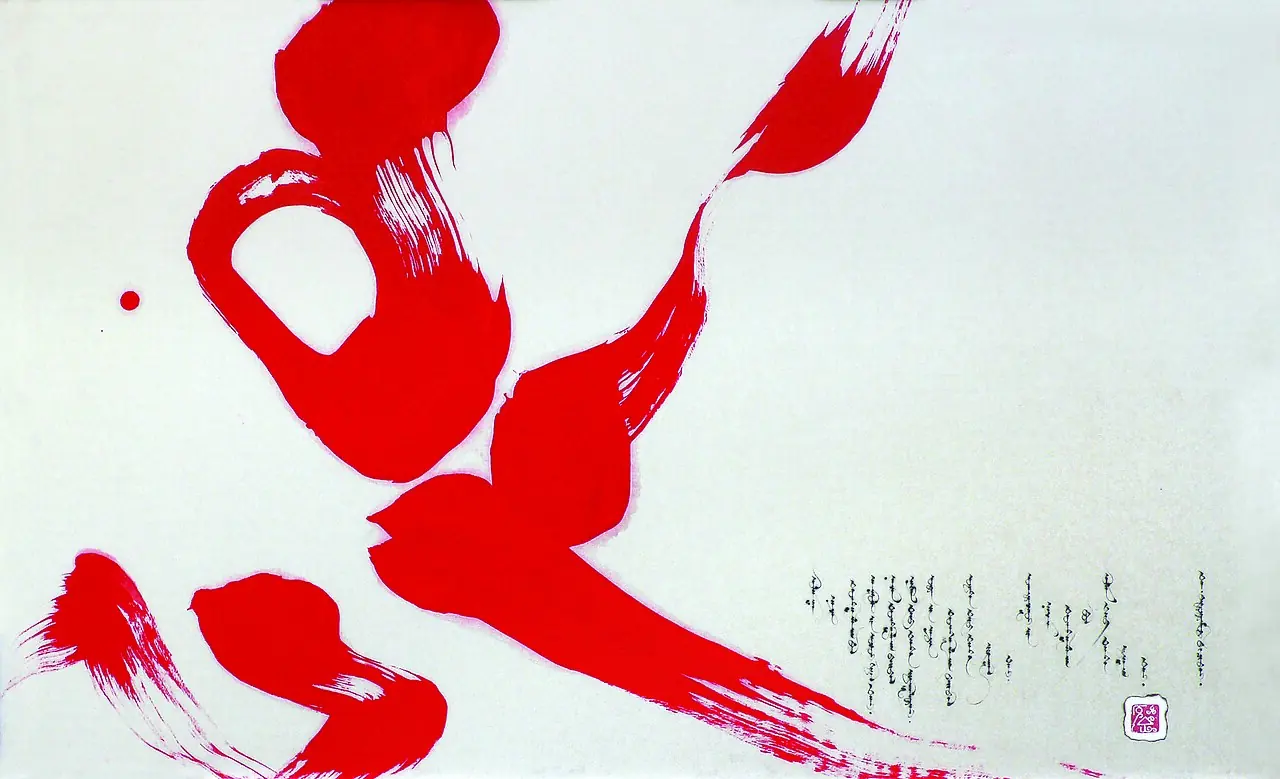
Mongolian calligraphy explained: the vertical Mongolian script, brushes and ink, its 2013 UNESCO urgent safeguarding listing and the script's revival today.
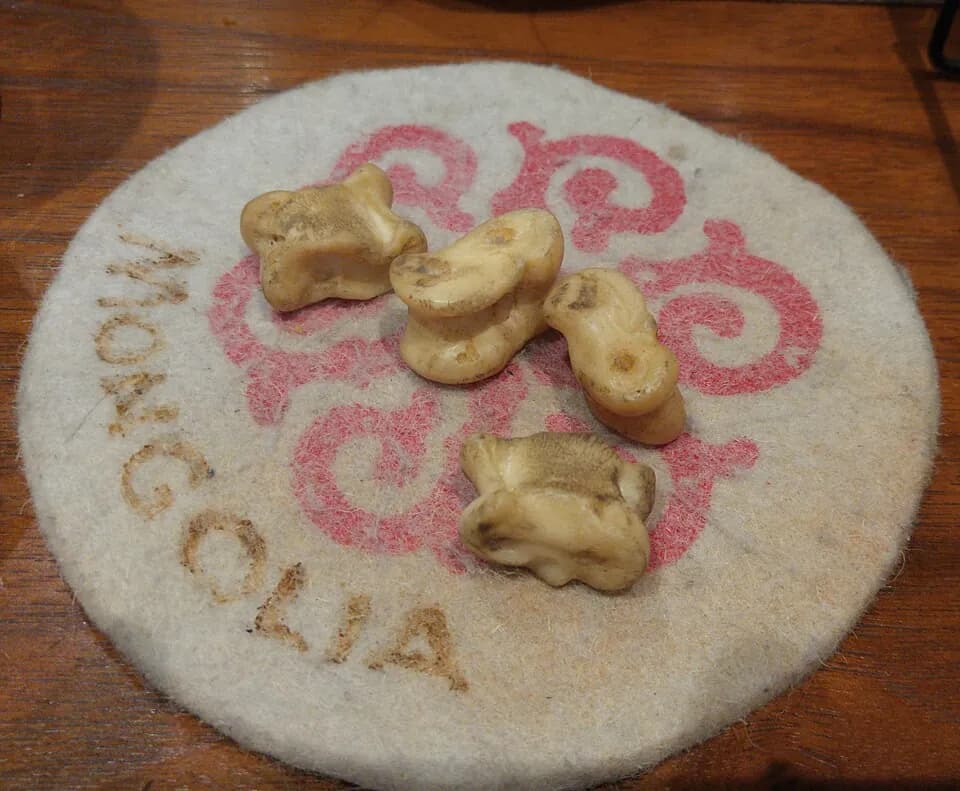
Mongolian bonecraft guide: how to play shagai ankle-bone games, the UNESCO-listed sport of shagai shooting, and traditional bone carving and chess sets.
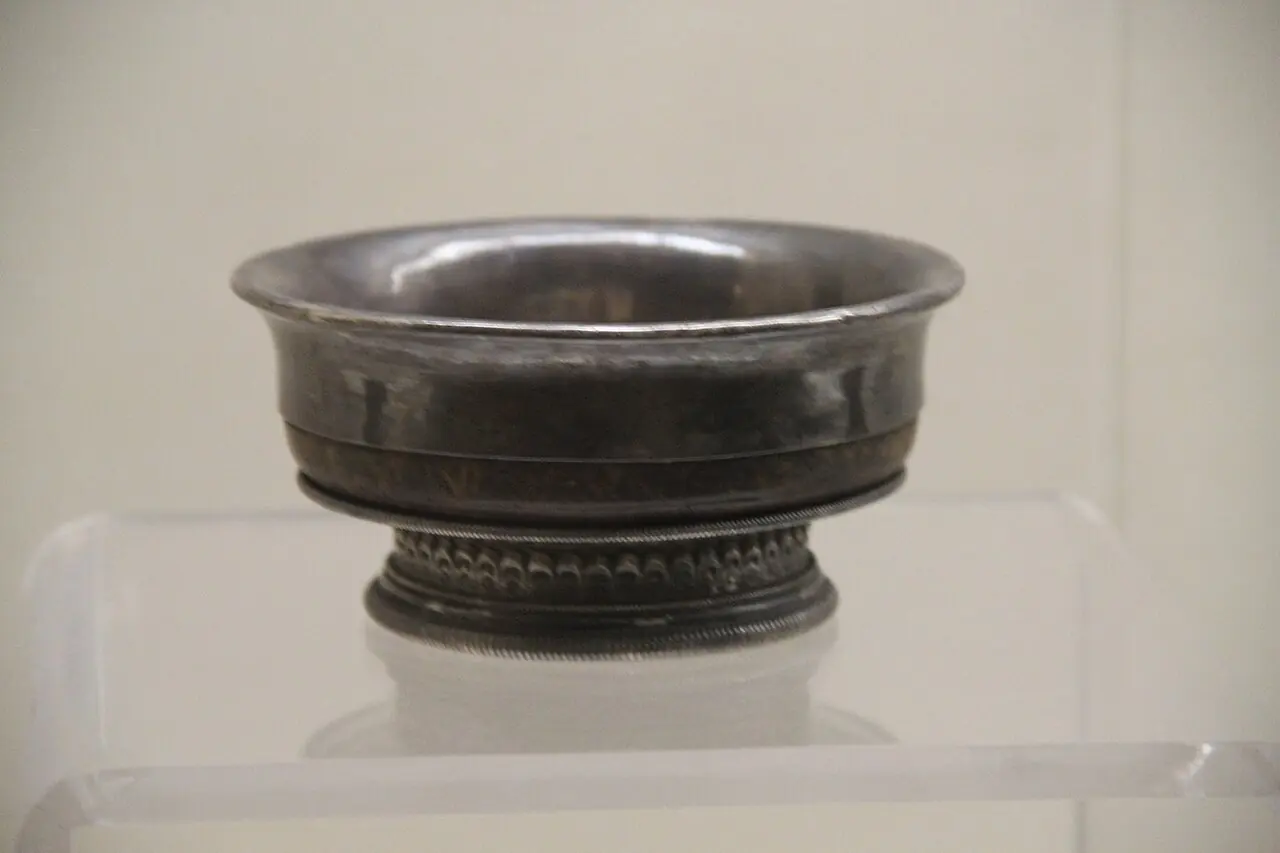
Mongolian metalwork explained: blacksmith traditions, Dariganga silverwork, Zanabazar's gilded bronze casting, and tips for buying silver bowls and knife sets.