Mongolian Clothes
Mongolian clothes explained: the deel and its seasonal types, the sash, traditional boots and hats, regional styles, and tips for buying and wearing a deel.
3 min read · Updated

Photo by Unlimited Access on Unsplash
The deel is Mongolia's traditional garment: a long robe with a high collar that wraps across the chest, fastens on the right side and is tied at the waist with a wide sash. Together with leather boots and a hat, it is an outfit made for riding and for a climate that swings from summer heat to deep winter cold. Many herders still wear the deel every day, and city dwellers bring out their finest deels for Tsagaan Sar, Naadam and weddings.
The deel: Mongolia's national dress
A deel is long and loose, with the front panel crossing from left to right and closing with knotted fabric buttons along the right shoulder and side. Long sleeves, often with cuffs shaped like a horse's hoof, can be pulled down to protect the hands, and the high collar shields the neck from wind. There are seasonal versions: the light, unlined terleg for summer, a cotton-padded deel for spring and autumn, and the sheepskin-lined winter deel, worn with the fleece inside. Out on the steppe, a deel doubles as a blanket at night and a private changing room. Colour, cut and decoration vary between groups such as the Khalkha, Buryats, Torguud and Dariganga, while the Kazakhs of Bayan-Ölgii have their own distinct costume.
The sash (büs)
A long silk or cotton sash wraps several times around the waist. It supports the back on long rides and creates a pouch above it where a bowl, snuff bottle or small items can be carried. Men traditionally hung a knife-and-chopstick set and a flint pouch from it. The sash is linked to a man's dignity, so it should not be stepped over or thrown down carelessly.
Mongolian boots (gutal)
Traditional gutal are tall boots of thick leather, often decorated with stitched patterns. The toe curves upwards; this is practical for riding, and a popular explanation also links it to the Buddhist idea of not disturbing the earth. The boots are roomy so that felt socks can be worn inside in winter. Most people wear modern footwear day to day, but gutal are still worn for festivals, wrestling and riding.
Hats and the respect they carry
Mongolia has dozens of traditional hat styles that differ by region, season, age and status. The hat is the most respected part of the costume: put it in a high, clean place, never on the floor, and never step over it. Naadam wrestlers wear the zodog (an open-chested jacket), the shuudag (briefs), gutal and a pointed hat, while married women of some groups once wore elaborate headdresses with silver and coral ornaments, now seen mainly in museums and performances.
Mongolian clothes today
Designers create contemporary deels, cashmere coats and fashion inspired by traditional cuts, and you will see a great many deels during Tsagaan Sar and Naadam. The National Museum of Mongolia in Ulaanbaatar displays historical costumes of different ethnic groups.
Practical tips for buying and wearing a deel
- Ready-made deels are sold in Ulaanbaatar department stores, markets and tailor shops; tailors can also make one to measure, often within days — confirm prices and timing directly.
- Wearing a deel at Naadam or a family celebration as a visitor is welcomed.
- Wrap the sash firmly; ask a local to show you the usual way to tie it.
- For riding, a deel with boots is warmer and more practical than you might expect.
- Handle hats with care and never leave them on the floor.
Places in this guide
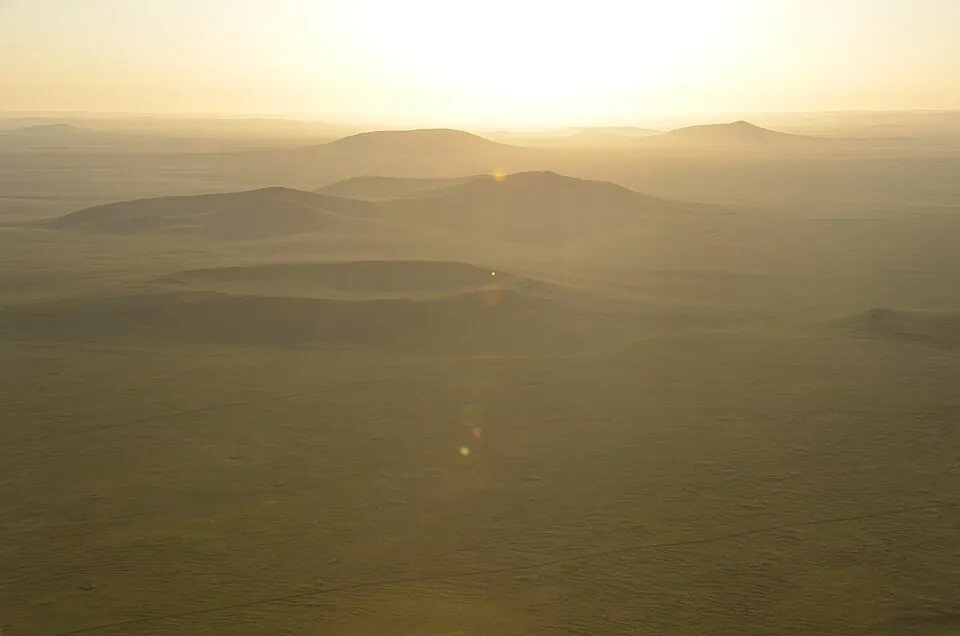
Shiliin Bogd & Dariganga
A sacred extinct volcano near the Chinese border, climbed at sunrise, amid the lakes and cones of Dariganga.
Frequently asked questions
Do Mongolians still wear the deel?
Yes. Many rural herders wear one daily, and city residents wear deels for Tsagaan Sar, Naadam, weddings and other celebrations.
Is it OK for a tourist to wear a deel?
Yes. Mongolians generally see it as a sign of respect for their culture and welcome it, especially during Naadam.
Why do Mongolian boots have upturned toes?
The shape is practical for riding with stirrups, and a popular explanation also links it to the Buddhist idea of not harming the earth.