Art of Metalworks
Mongolian metalwork explained: blacksmith traditions, Dariganga silverwork, Zanabazar's gilded bronze casting, and tips for buying silver bowls and knife sets.
3 min read · Updated
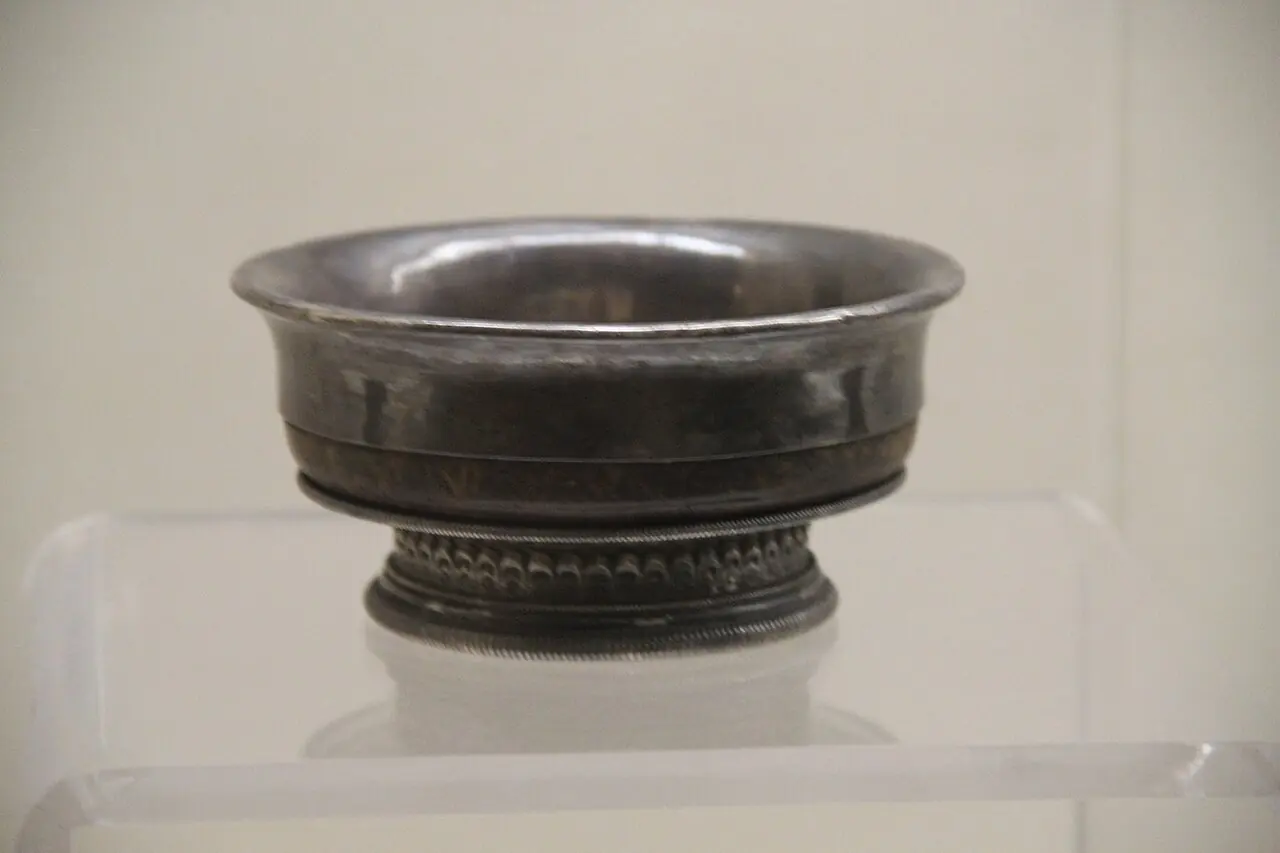
Photo: Gary Todd from Xinzheng, China · CC0 · Wikimedia Commons
Mongolia's art of metalworks ranges from the blacksmith's forge to fine silver jewellery and the gilded bronze sculptures of Zanabazar, the 17th-century religious leader often regarded as one of Asia's great sculptors. Knives, silver bowls, saddle fittings, jewellery and Buddhist statues have been made for centuries by master craftsmen known as darkhan, and many of these objects are still used in daily life and at festivals.
Blacksmiths and the darkhan tradition
In nomadic society the darkhan, or master craftsman, was a respected figure who made stirrups, bits, knives, fire steels, the iron frame of the hearth, ger fittings and tools. A good darkhan could work iron, copper, brass and silver, and skills were often passed from father to son. Archaeological finds from the Bronze Age and the Xiongnu period show that metalworking in this region goes back more than two thousand years. The northern city of Darkhan shares the name.
Silverwork and the Dariganga silversmiths
Silver is the most prized metal in Mongolian decorative arts. Typical pieces include:
- silver-lined wooden bowls used to offer airag, milk tea or vodka to guests;
- snuff bottles, usually of stone, with silver or coral-studded tops;
- the knife and chopstick set (khutga) and the flint pouch (khet) worn on a deel belt;
- women's headdresses, rings, earrings and bracelets;
- silver plates and studs on festive saddles and bridles.
Dariganga, a district in Sükhbaatar Province in eastern Mongolia, is renowned for its silversmiths. Their engraving, filigree and raised relief work, featuring motifs such as the ölzii knot and the khan's bracelet, is admired across the country for its fine detail and balanced design.
Zanabazar and the art of bronze casting
Öndör Gegeen Zanabazar (1635–1723), the first Jebtsundamba Khutugtu and head of Buddhism in Mongolia, was also a sculptor, painter, scholar and the creator of the Soyombo script. His workshop produced gilded bronze statues using the lost-wax method: a wax model is coated with clay, heated so the wax melts away, and molten bronze is poured into the mould. The cast figure is then gilded and finished by hand. His best-known works, including figures of Green Tara and White Tara, are celebrated for their serene faces, graceful proportions and fine ornament. Zanabazar's school became the basis of a distinctive Mongolian style of Buddhist sculpture. The Zanabazar Museum of Fine Arts in Ulaanbaatar holds some of the most famous examples, and other works are kept in monasteries and museums around the country.
Metalwork in daily life today
At Tsagaan Sar, families bring out silver bowls for guests and men exchange snuff bottles as part of the greeting. At Naadam, many men wear a knife set and flint pouch with their deel. Modern jewellers combine traditional ornaments with contemporary design, and Ulaanbaatar has workshops and shops selling silver jewellery, bowls and knife sets.
Practical tips for buying metalwork
- Ask whether an item is solid silver, silver-plated or an alloy; reputable sellers will explain, and some pieces carry stamps.
- Knives must go in checked luggage, and airline rules on blades apply.
- Antique silver, old saddles and religious statues may need export permission. Check the current rules with the Customs General Administration of Mongolia before buying anything old.
- Museum opening hours and exhibitions change; check official channels before visiting.
- In a ger, accept a silver bowl with your right hand or both hands, supporting it from below.
Places in this guide
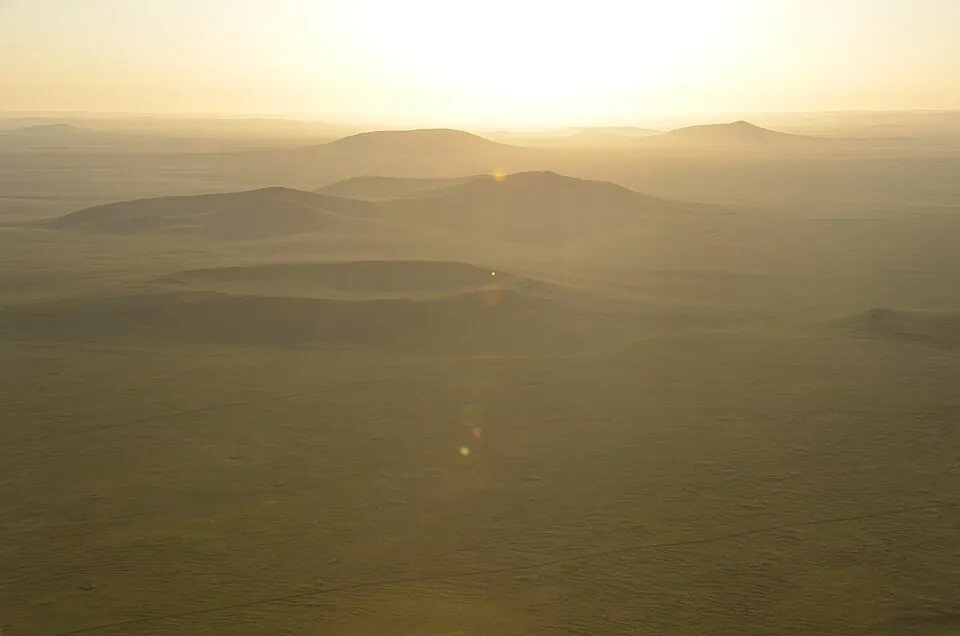
Shiliin Bogd & Dariganga
A sacred extinct volcano near the Chinese border, climbed at sunrise, amid the lakes and cones of Dariganga.
Frequently asked questions
Who was Zanabazar?
Zanabazar (1635–1723) was the first Jebtsundamba Khutugtu, the head of Buddhism in Mongolia, and a master sculptor whose gilded bronze statues defined a Mongolian style of Buddhist art.
Why is Dariganga famous?
Dariganga in Sükhbaatar Province is known for its silversmiths, whose finely engraved jewellery, bowls and ornaments are admired throughout Mongolia.
Can I fly home with a Mongolian knife set?
Usually only in checked luggage, never in your carry-on. Confirm the current rules with your airline before flying.