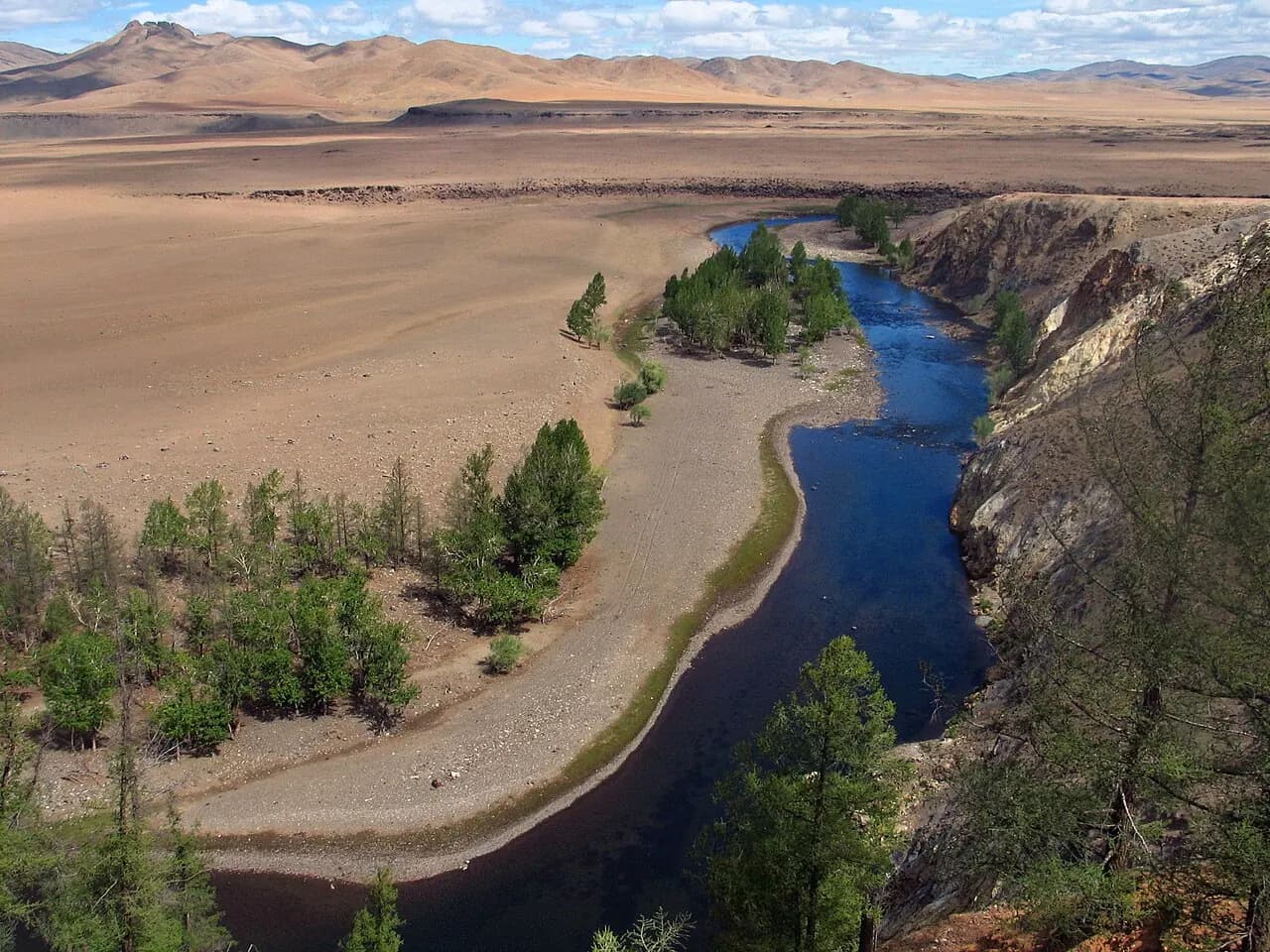
A 20 m waterfall, nomad summer camps and Tövkhön monastery.
The upper Orkhon valley is a broad, grassy valley in the Khangai mountains, where the river runs between low forested hills and herders set up their summer camps. Its best-known sight is Ulaan Tsutgalan, the Orkhon waterfall, which drops about 20 m into a narrow gorge. In the forest above the valley stands Tövkhön, the hilltop retreat founded by Zanabazar. The valley is part of the Orkhon Valley Cultural Landscape, a UNESCO World Heritage Site.
River, lava and forest
The Orkhon is Mongolia's longest river, about 1,124 km from its source in the Khangai to its meeting with the Selenge. In the upper valley, old lava flows have left thick layers of dark basalt, and the Ulaan Tsutgalan river has cut a gorge through them where it joins the Orkhon. The waterfall's flow depends on rain: in a dry spring it can shrink to a trickle, and it is fullest after the summer rains in July and August. Larch forest grows on the surrounding slopes.
Life with the herders
This is one of the best places in Mongolia to see nomadic life up close. In summer herding families camp here with their horses, yaks and sheep, and many welcome guests. You can help with milking, watch airag being made and ride between camps. A stay of two or three nights gives time for the waterfall, the ride or walk to Tövkhön and a day with a family.
Season and etiquette
The valley is at its best from late June to early September. Nights are cold even in summer. At the waterfall, the path into the gorge is steep and the basalt can be slippery, so wear proper shoes. When visiting a family, accept offered food or drink with your right hand, do not step on the threshold of a ger, and ask before photographing people.
Photo: He-ba-mue · CC BY-SA 2.5 · Wikimedia Commons
History
The history of Orkhon Valley & Ulaan Tsutgalan
A cradle of steppe empires
For more than two thousand years the Orkhon valley was the political heart of the Mongolian steppe. Its water, pasture and shelter drew one nomadic state after another, and the valley is now protected as the Orkhon Valley Cultural Landscape, a UNESCO World Heritage Site since 2004.
The Turkic and Uyghur khaganates
At Khöshöö Tsaidam stand the monuments of the Turkic rulers Kül Tegin (732) and Bilge Khagan (735). Their inscriptions in the Old Turkic runic script are among the oldest known texts in a Turkic language; the Danish linguist Vilhelm Thomsen deciphered them in 1893. Downstream lie the ruins of Khar Balgas (Ordu-Baliq), the capital of the Uyghur Khaganate from 744 to 840.
The Mongol Empire
In the 13th century the Mongols built their imperial capital, Karakorum, on the same river. Its site lies under today's Kharkhorin.
Monasteries
In 1648 the young Zanabazar, the first Bogd Gegeen of Mongolia, founded the hilltop retreat of Tövkhön in the forests above the valley; its first buildings went up in 1653. He created some of his finest bronze sculptures here, and the monastery remains a place of pilgrimage.
Things to do at Orkhon Valley & Ulaan Tsutgalan
5 activities · best season: Summer, Autumn
Hiking · 1–2 h
See the Orkhon Waterfall
Ulaan Tsutgalan drops about 20 m into a basalt gorge. A path leads down to its foot; the falls are fullest after the summer rains.
Culture · 3–4 h
Climb to Tövkhön Monastery
Walk or ride up through the forest to the hilltop retreat founded by Zanabazar in the mid-17th century.
Horse riding · 2–7 days
Trek on horseback with nomad families
Multi-day horse treks follow the valley between herder camps, sleeping in gers or tents.
Read the guide →Culture · 1–2 nights
Stay with a herder family
Help with milking, try fresh airag (fermented mare's milk) and learn about nomadic life.
Hot springs · 2 h
Soak in the Khujirt hot springs
The mineral springs at Khujirt, on the way into the valley, have long been used for healing.
When to go & how to get there
Weather by month
Getting there
The upper valley and the waterfall are reached from Kharkhorin via Khujirt or Bat-Ölzii, on rough roads that need a 4x4 (about 3–4 hours). A tour or hired car with driver is the practical option.
Where to stay
Ger camps sit near the waterfall and along the river, and many herder families host guests. Kharkhorin, 2–3 hours away, has guesthouses and shops.
Gallery
5 photos · tap to enlarge · sources credited on each photo
Where is Orkhon Valley & Ulaan Tsutgalan?
from Ulaanbaatar from Arvaikheer · a dotted end marks a stretch with no road
Övörkhangai province · nearest town: Bat-Ölzii soum
Guides that mention Orkhon Valley & Ulaan Tsutgalan
- A Brief History of MongoliaA brief history of Mongolia from the Xiongnu of 209 BC through Chinggis Khaan, Qing rule, 1911 independence and socialism to the 1990 democratic revolution.
- Mongol EmpireThe Mongol Empire, history's largest contiguous land empire: its rise under Chinggis Khaan, expansion, governance, its division and where to see its traces.
- Tourism in MongoliaTourism in Mongolia explained: top regions from the Gobi to Khövsgöl and the Altai, the travel season, transport, ger camps and how trips are usually organised.
- Mongolia Weather & ClimateMongolia weather and climate by season and region: temperatures, rain and wind in Ulaanbaatar, the Gobi, the north, the Altai and the eastern steppe.
- Mongolia Travel MapMongolia travel map explained: the Gobi, Central Khangai, Khövsgöl in the north, the western Altai and the eastern steppe, with classic routes from Ulaanbaatar.
- Buddhism in MongoliaBuddhism in Mongolia: its history from Kublai Khan to Zanabazar, the 1930s purges, revival after 1990, Gandan and Erdene Zuu monasteries and practice today.
Khangai & Central
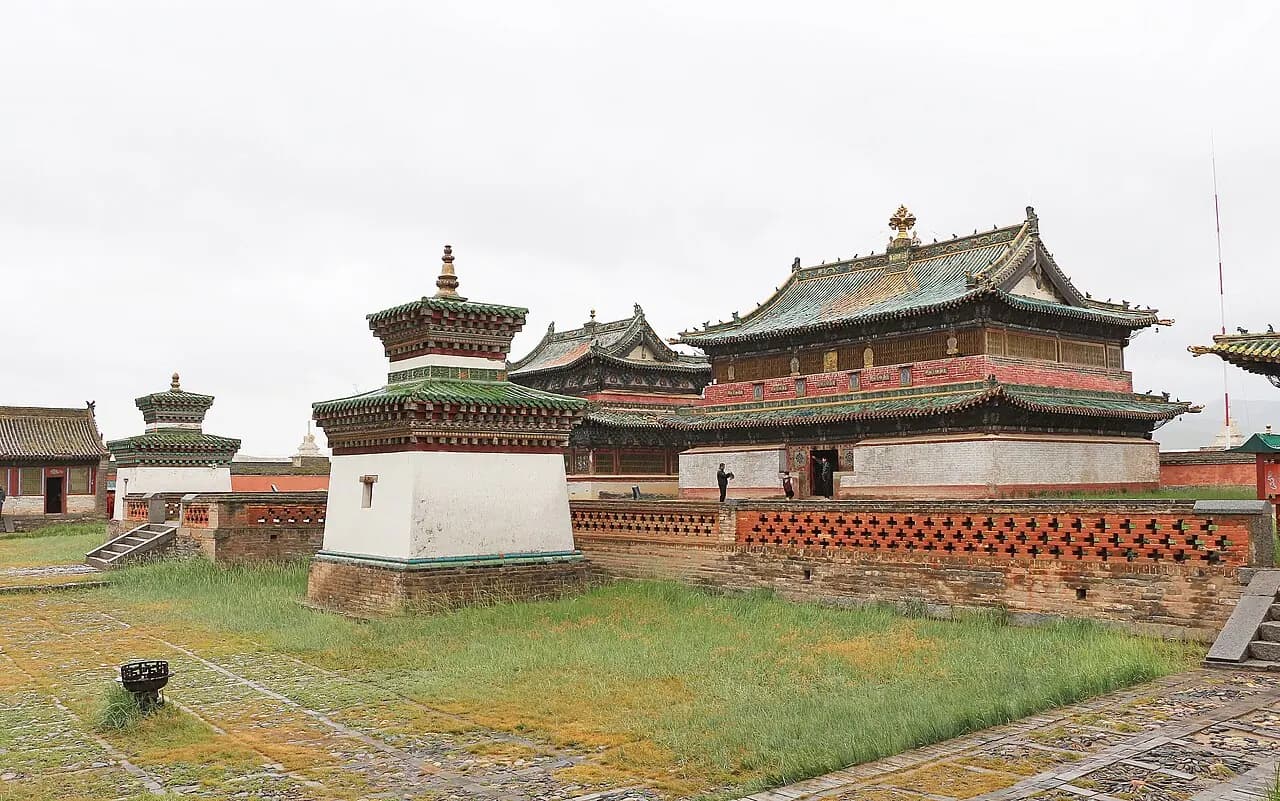
Kharkhorin & Erdene Zuu
Mongolia's oldest surviving Buddhist monastery, built on the ruins of the imperial capital Karakorum.
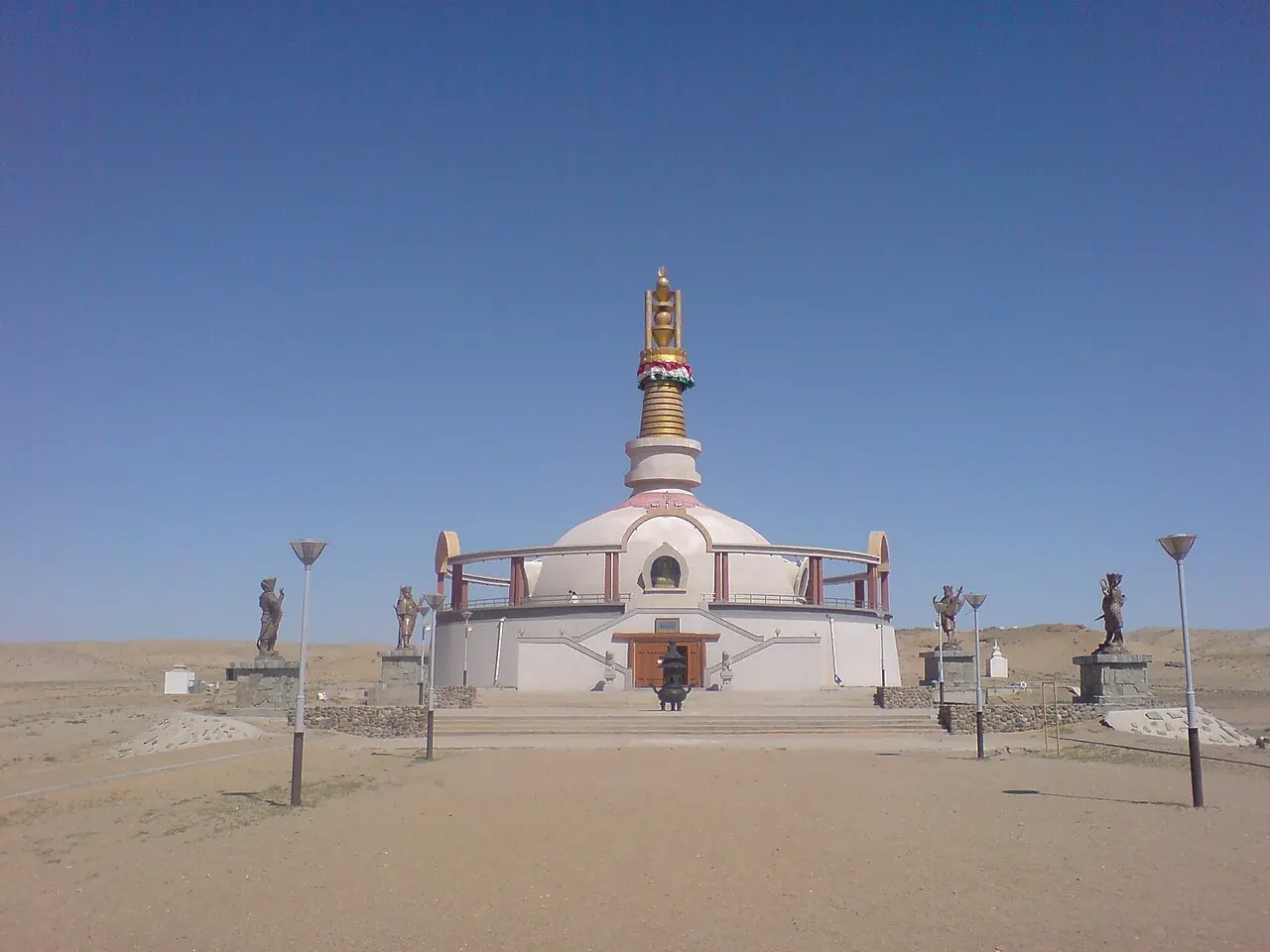
Khögnö Khan & Elsen Tasarkhai
Gobi, steppe and mountain in one place; the closest dunes to the capital.
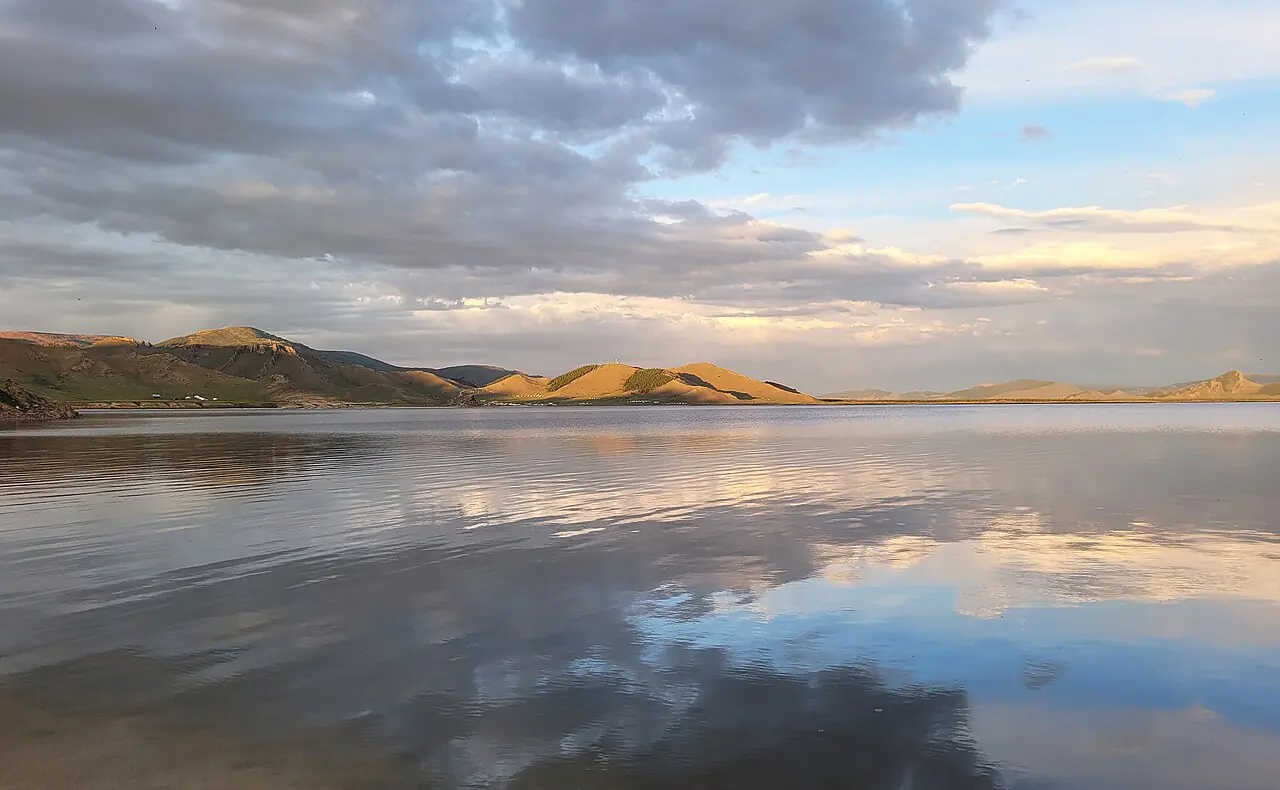
Terkhiin Tsagaan Lake & Khorgo
A freshwater lake beside an extinct volcano.