Tourism in Mongolia
Tourism in Mongolia explained: top regions from the Gobi to Khövsgöl and the Altai, the travel season, transport, ger camps and how trips are usually organised.
3 min read · Updated
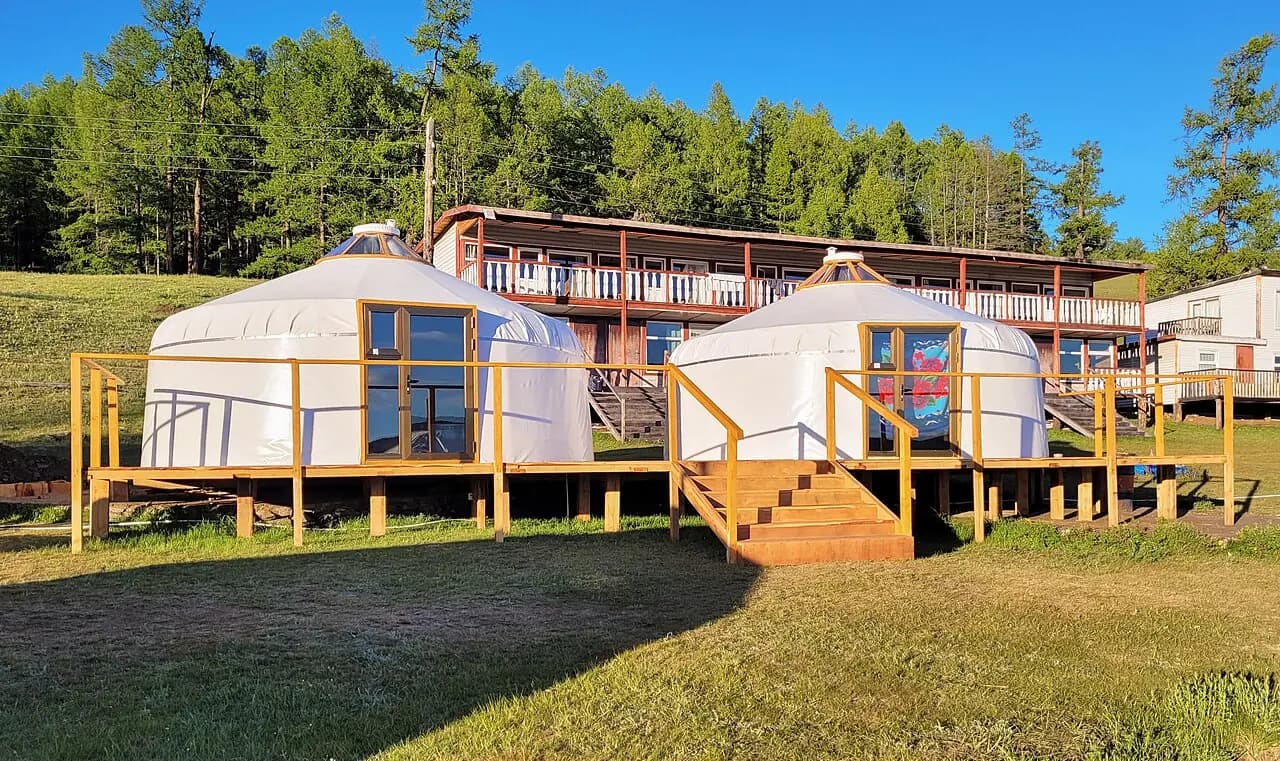
Photo: Bernard Gagnon · CC0 · Wikimedia Commons
Tourism in Mongolia is built on vast landscapes, nomadic culture and adventure. Travellers come for the Gobi Desert, Lake Khövsgöl, the Orkhon Valley and the Altai mountains, for Naadam and other festivals, and for horse riding and nights in gers. The main season runs from June to September, and most visitors travel with a driver and guide because distances are huge and rural public transport is limited.
Why people visit Mongolia
Mongolia is one of the least densely populated countries in the world, so space, silence and starry skies are attractions in themselves. The main draws are:
- The Gobi — the Khongoryn Els dunes, the Flaming Cliffs at Bayanzag and the Yolyn Am gorge.
- Central Mongolia — Kharkhorin and Erdene Zuu Monastery in the Orkhon Valley, a UNESCO World Heritage cultural landscape, plus Terkhiin Tsagaan Lake.
- The north — Lake Khövsgöl, its forests and the reindeer-herding taiga.
- The west — the Altai Tavan Bogd mountains and Kazakh eagle hunters.
- Near Ulaanbaatar — Gorkhi-Terelj National Park and the giant Chinggis Khaan equestrian statue.
- Culture — herder homestays, Naadam in July, the Golden Eagle Festival in autumn and a growing calendar of winter festivals.
How tourism in Mongolia works
Most international visitors fly into Chinggis Khaan International Airport, which opened in 2021 south of Ulaanbaatar, or arrive on the Trans-Mongolian railway from Russia or China. Countryside trips usually use 4x4 vehicles or Russian-made UAZ vans with an experienced driver, often combined with domestic flights to regional centres such as Dalanzadgad, Mörön or Ölgii; routes and schedules change from year to year.
Outside the cities, accommodation is mainly in tourist ger camps — from simple to comfortable with private bathrooms — and homestays with herding families. Many roads between provincial centres are now paved, but off the main routes tracks are unpaved and journeys are long.
Seasons and crowds
July and August are the busiest months, peaking around Naadam (from 11 July; public holidays usually 10–15 July), when demand for camps, guides and flights rises sharply. June and September are quieter and usually still pleasant in most regions. Winter, from November to March, is very cold but attracts visitors for the Khövsgöl Ice Festival, Tsagaan Sar, dog sledding and winter horse events. Many ger camps close outside the summer season.
Growth and priorities
Visitor numbers have recovered strongly since the pandemic, and the government promotes tourism as a way to diversify an economy dominated by mining. Campaigns such as the "Years to Visit Mongolia" and temporary visa exemptions for some nationalities have been used to attract visitors; check current visa rules with the Mongolian Immigration Agency or the Ministry of Foreign Affairs before you travel. Challenges include the short season, limited infrastructure in remote areas, and protecting fragile environments and herding communities from the pressures of growing tourism.
Practical tips for planning a trip
- Book July trips, ger camps and domestic flights months ahead.
- Choose a licensed, well-reviewed tour operator and confirm what is included: driver, guide, fuel, meals and park fees.
- Allow plenty of time — 200 km off-road can take most of a day.
- Carry some cash for the countryside, where cards are not always accepted.
- Respect local customs and leave no trace in protected areas.
Places in this guide
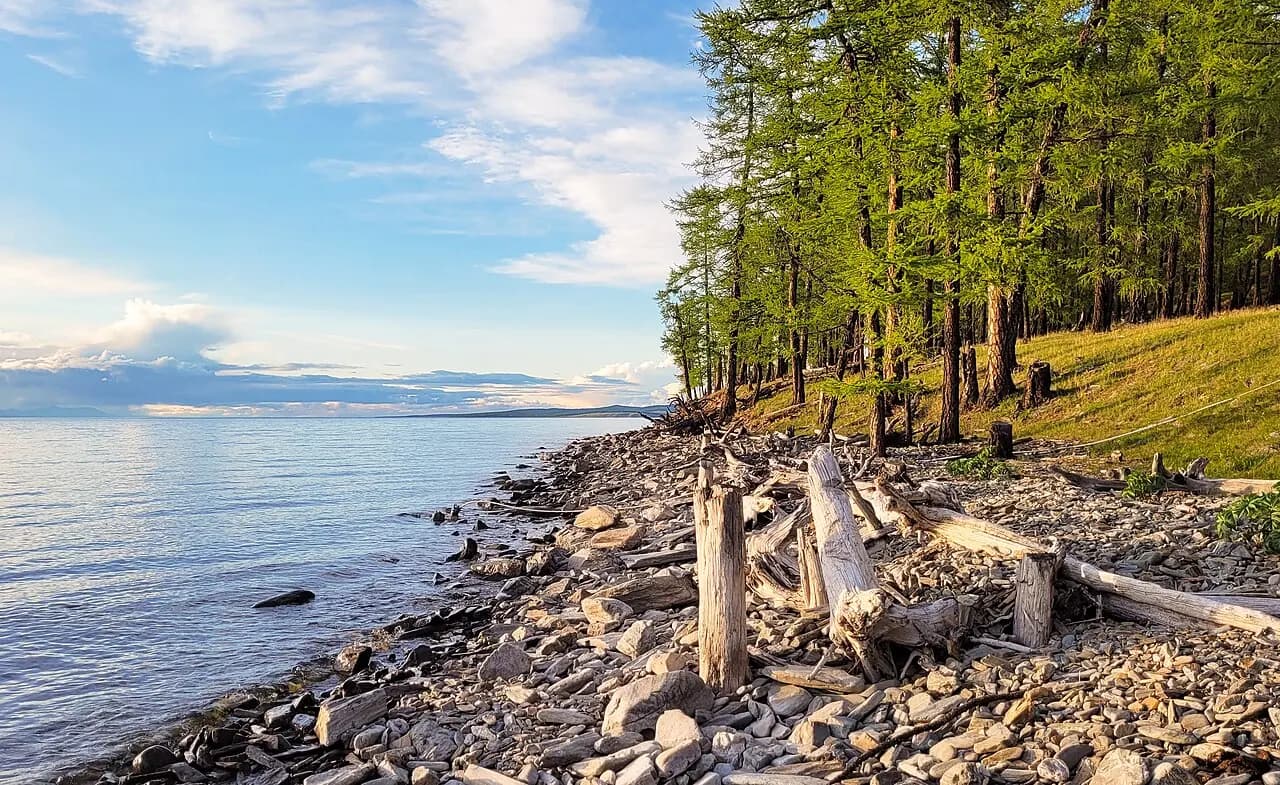
Lake Khövsgöl
The 'blue pearl of Mongolia', holding almost 70% of Mongolia's fresh water.
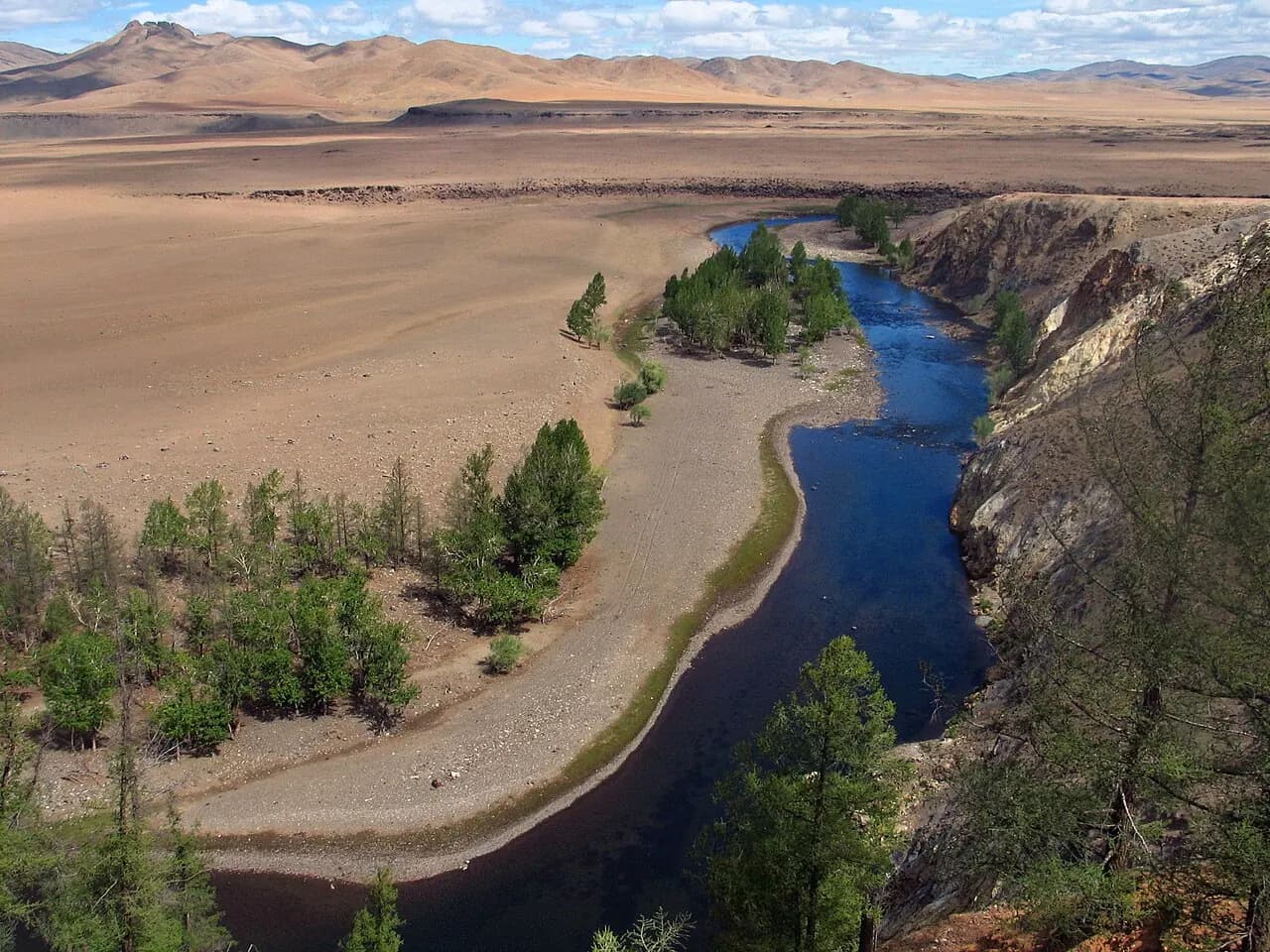
Orkhon Valley & Ulaan Tsutgalan
A 20 m waterfall, nomad summer camps and Tövkhön monastery.
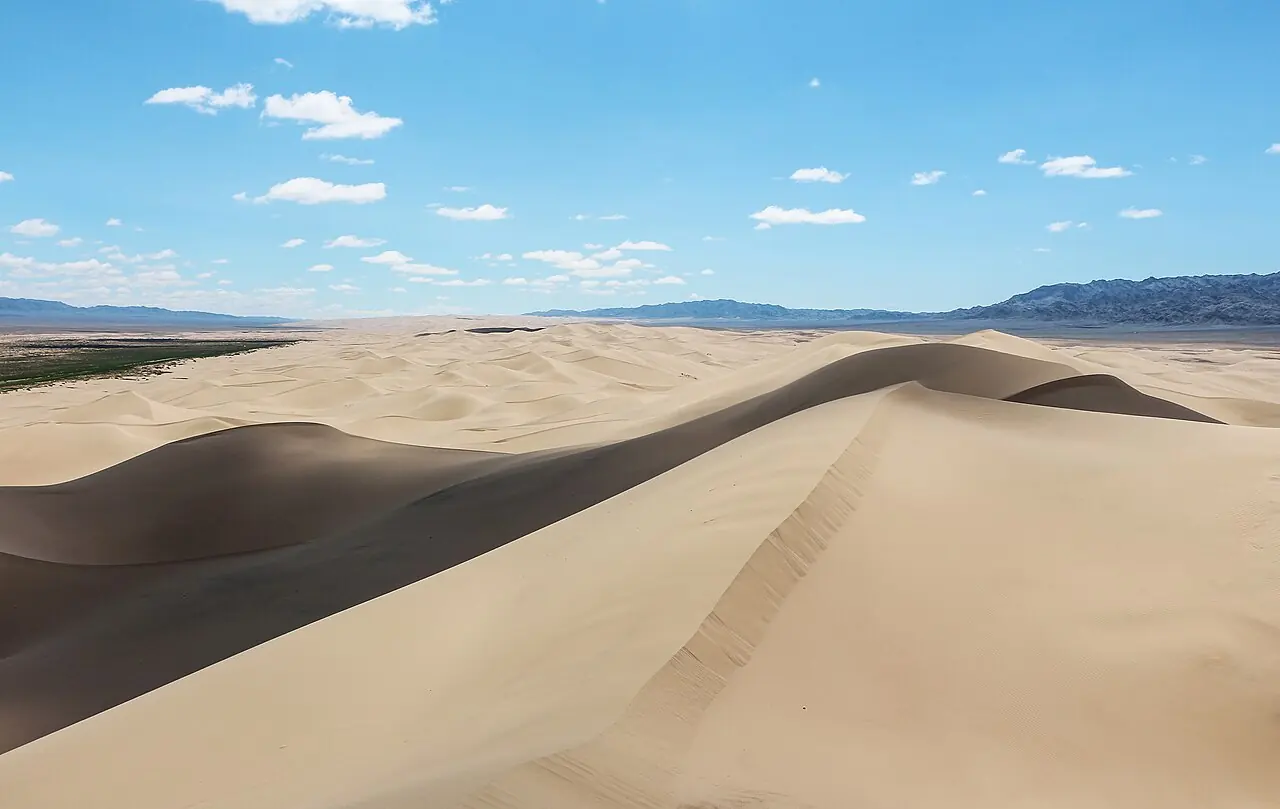
Khongoryn Els
The 'singing sands': one of Mongolia's largest dune fields, with ridges said to reach 300 m.
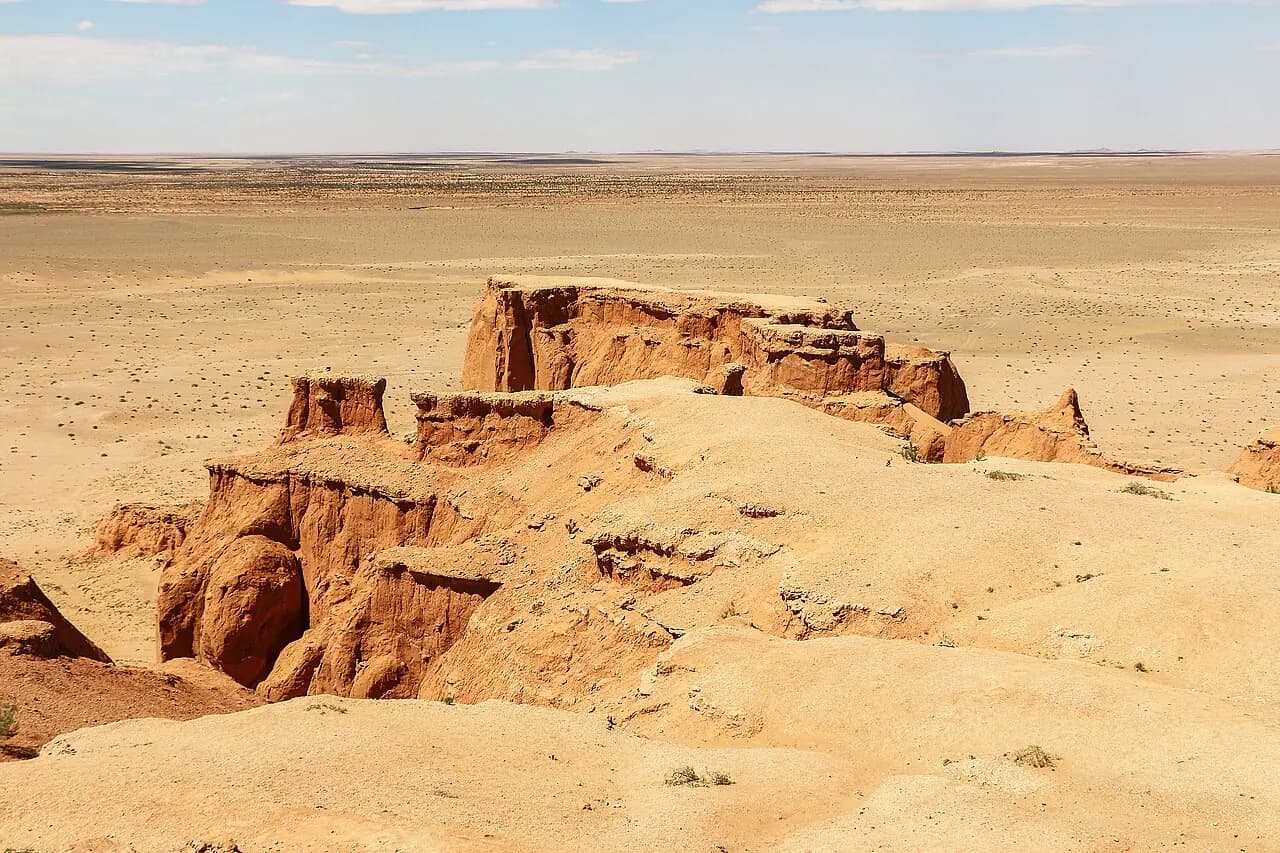
Bayanzag (Flaming Cliffs)
The red cliffs where dinosaur eggs were first discovered.
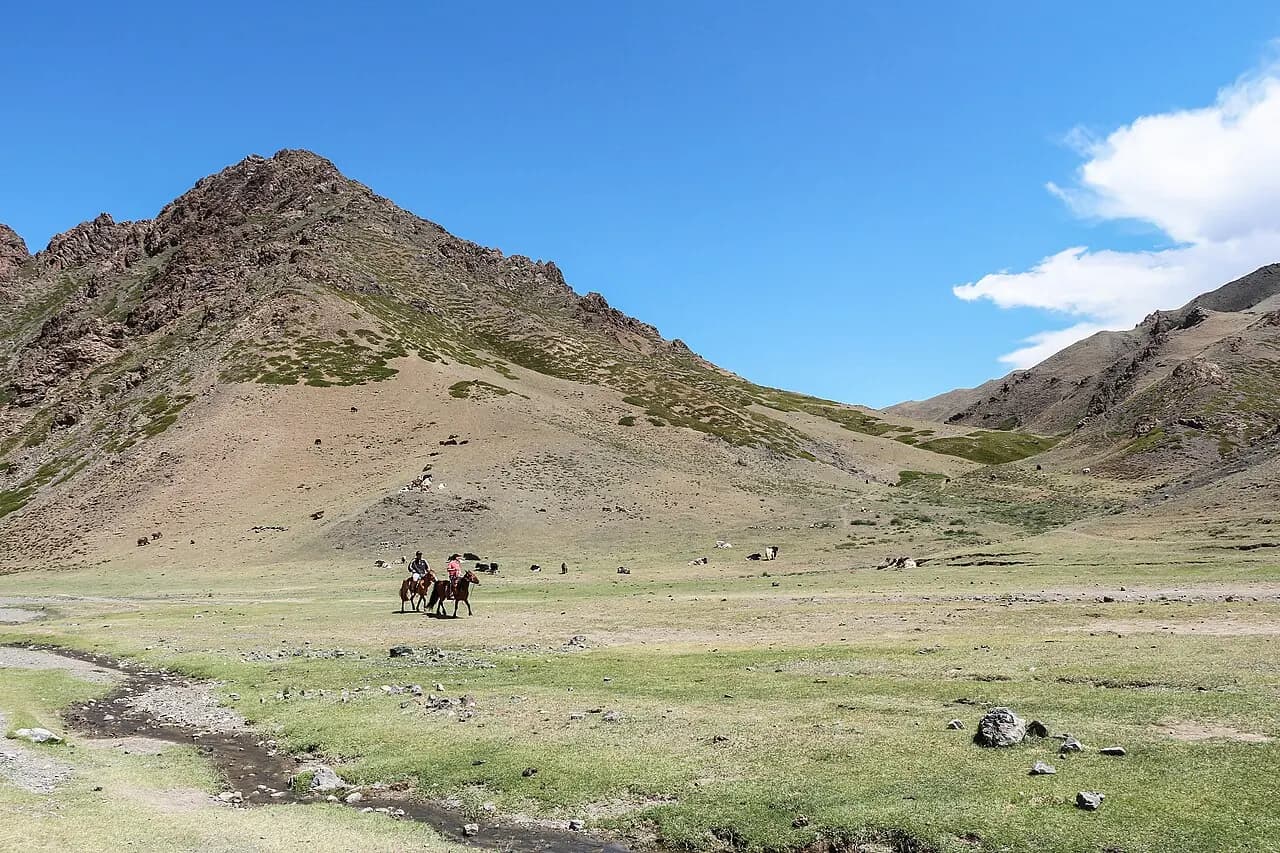
Yolyn Am
An ice-filled gorge in the heart of the Gobi; the ice survives into midsummer.
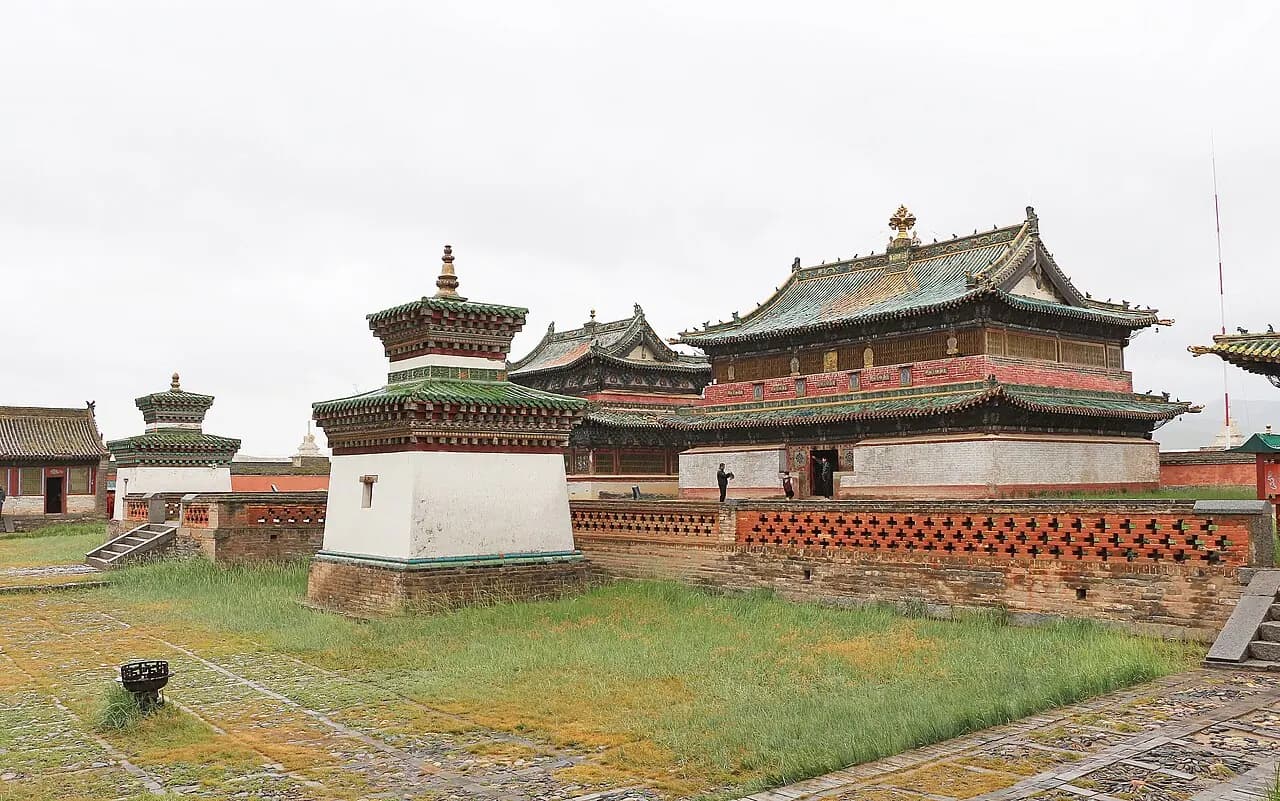
Kharkhorin & Erdene Zuu
Mongolia's oldest surviving Buddhist monastery, built on the ruins of the imperial capital Karakorum.
Frequently asked questions
When is the best time for tourism in Mongolia?
June to September suits most travellers. July is the busiest because of Naadam, while June and September are quieter.
Can I travel in Mongolia without a tour?
Yes, especially in Ulaanbaatar and along main routes. For remote regions, most people hire a driver and guide because of rough tracks, long distances and the language barrier.
Where do tourists stay in the Mongolian countryside?
Mostly in tourist ger camps and herder homestays, with some travellers camping in tents. Provincial centres also have simple hotels.