Horseback Riding in Mongolia
Horseback riding in Mongolia: where to ride, what Mongolian horses are like, multi-day trek routes, saddles, safety and tips for beginner riders.
2 min read · Updated
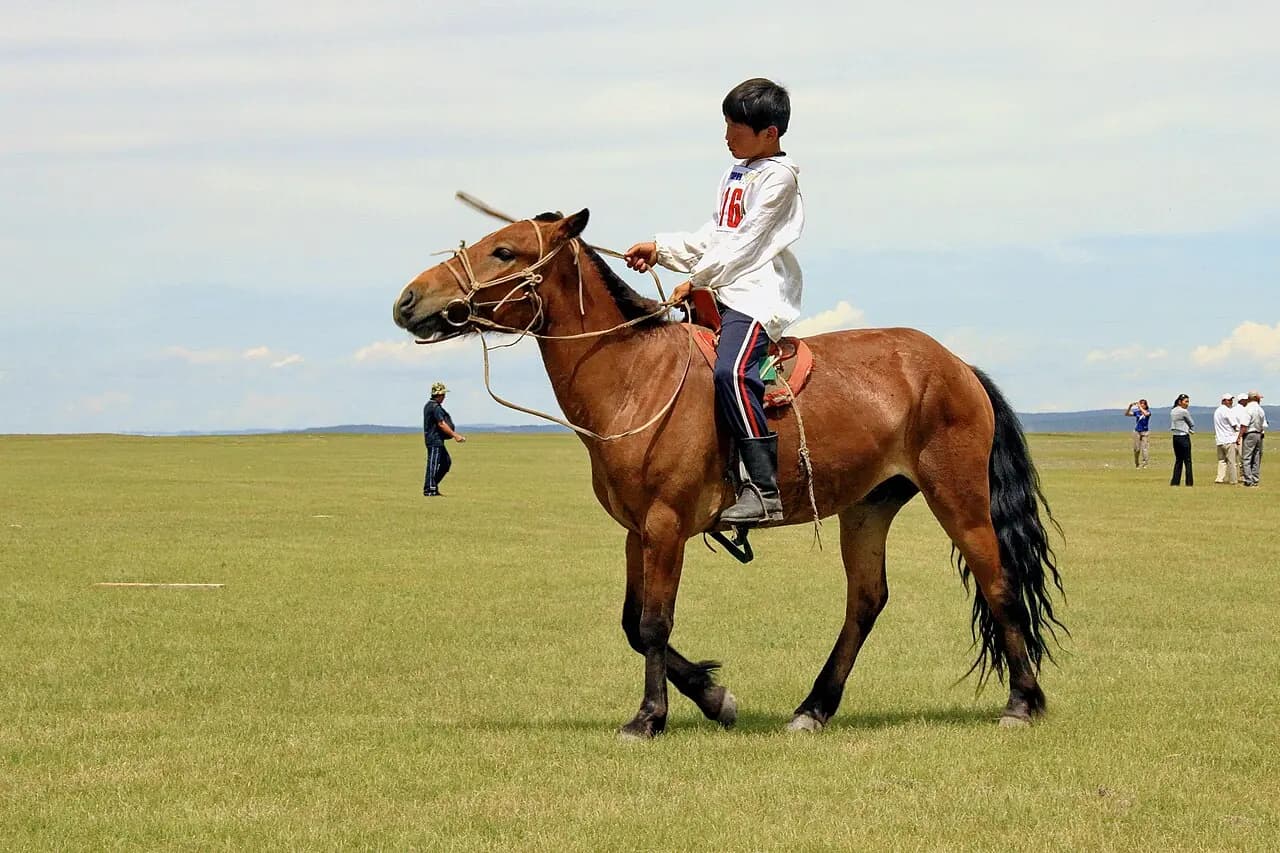
Photo: Marcin Konsek · CC BY-SA 4.0 · Wikimedia Commons
Horseback riding is the classic way to experience Mongolia: the country has more horses than people, and riding is still part of daily life for herding families. You can take a one-hour ride at a ger camp or join a multi-day trek through open valleys with few fences or roads, and most operators cater for both beginners and experienced riders.
What Mongolian horses are like
Mongolian horses are small, typically around 12–14 hands, stocky and extremely tough. They live outdoors all year and graze freely, so by Western standards many are semi-wild: they are not used to being petted, and some are ridden only by experienced herders. Good operators match visitors with calmer horses. Mount from the left side, as Mongolians do, and remember that "chu" is the word herders use to urge a horse forward.
Best places for horse trekking
- Orkhon Valley and Arkhangai: rolling grassland, rivers, the Orkhon waterfall (Ulaan Tsutgalan) and historic sites around Kharkhorin.
- Lake Khövsgöl and the Darkhad Valley: lakeside trails and larch forest; longer, demanding rides can reach the taiga camps of the reindeer-herding Dukha (Tsaatan) people.
- Gorkhi-Terelj National Park: the closest option to Ulaanbaatar, ideal for short rides and first-timers.
- Khentii: the homeland of Chinggis Khaan, with forested valleys and far fewer visitors.
Saddles, gear and what a trek involves
Traditional Mongolian saddles are wooden, with a high front and back, and many visitors find them uncomfortable; most operators can provide Russian-style or Western saddles on request. Multi-day treks usually include a local horse guide, a cook, and a support vehicle or pack horses carrying tents and food. Expect around 4–6 hours in the saddle a day, with river crossings and nights in tents or with herding families. Pack riding trousers or leggings, gloves, sun protection, a waterproof jacket and warm layers. Bring your own riding helmet if you can, since not every operator provides one.
Riding safely in Mongolia
Falls are the main risk. Be honest about your experience when booking, keep a firm hold of the reins, and never walk directly behind a horse. Hospitals are far from most riding areas, so check that your travel insurance covers horse riding and medical evacuation. Ask about the guide's first-aid training and how the group communicates in an emergency, as mobile coverage is patchy in the countryside.
Practical tips
- The main riding season runs from June to September; spring is windy and autumn nights are frosty.
- Ask operators about horse welfare: rest days, the condition of the horses and rider weight limits.
- Prices, group sizes and what is included vary widely, so confirm everything in writing with your tour operator.
- A tip for your horse guide is appreciated if you are happy with the service.
Places in this guide
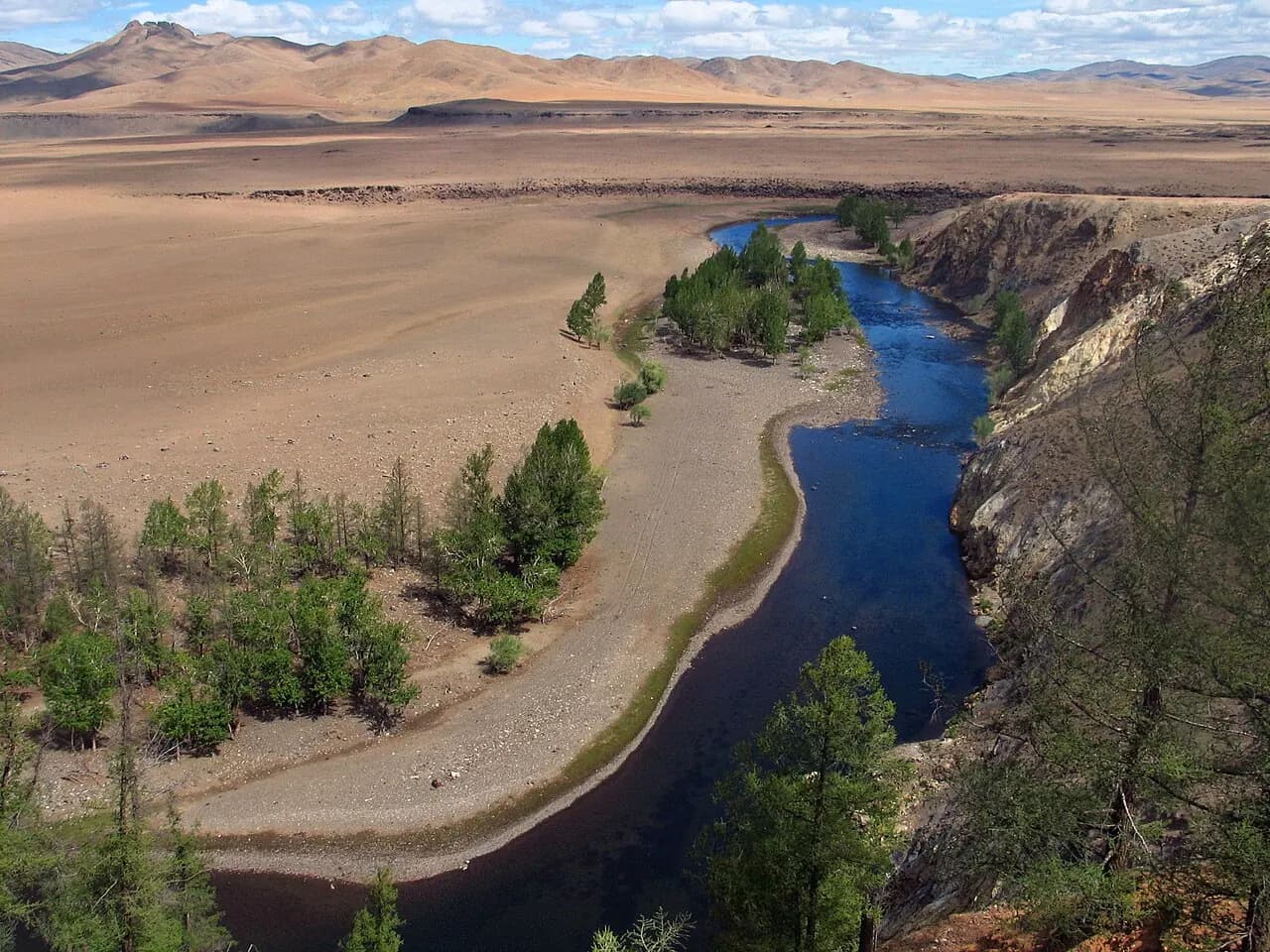
Orkhon Valley & Ulaan Tsutgalan
A 20 m waterfall, nomad summer camps and Tövkhön monastery.
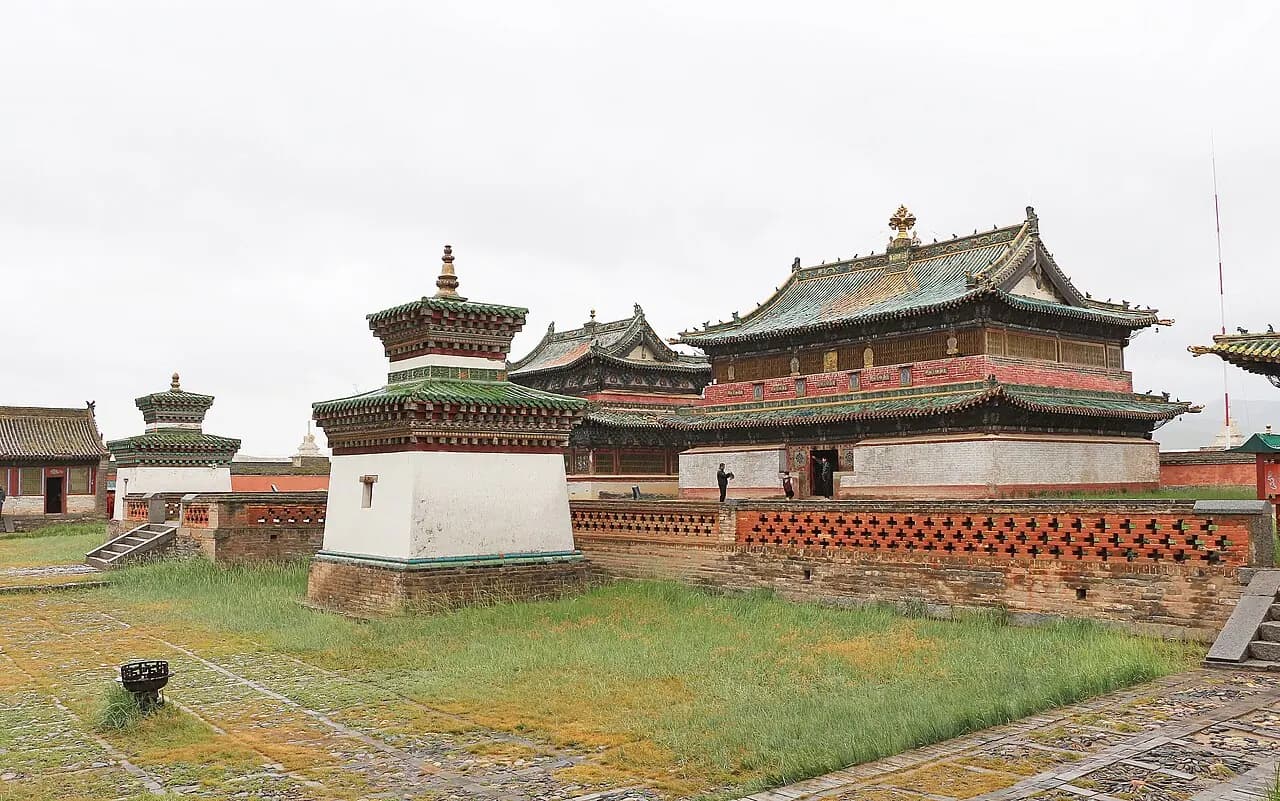
Kharkhorin & Erdene Zuu
Mongolia's oldest surviving Buddhist monastery, built on the ruins of the imperial capital Karakorum.
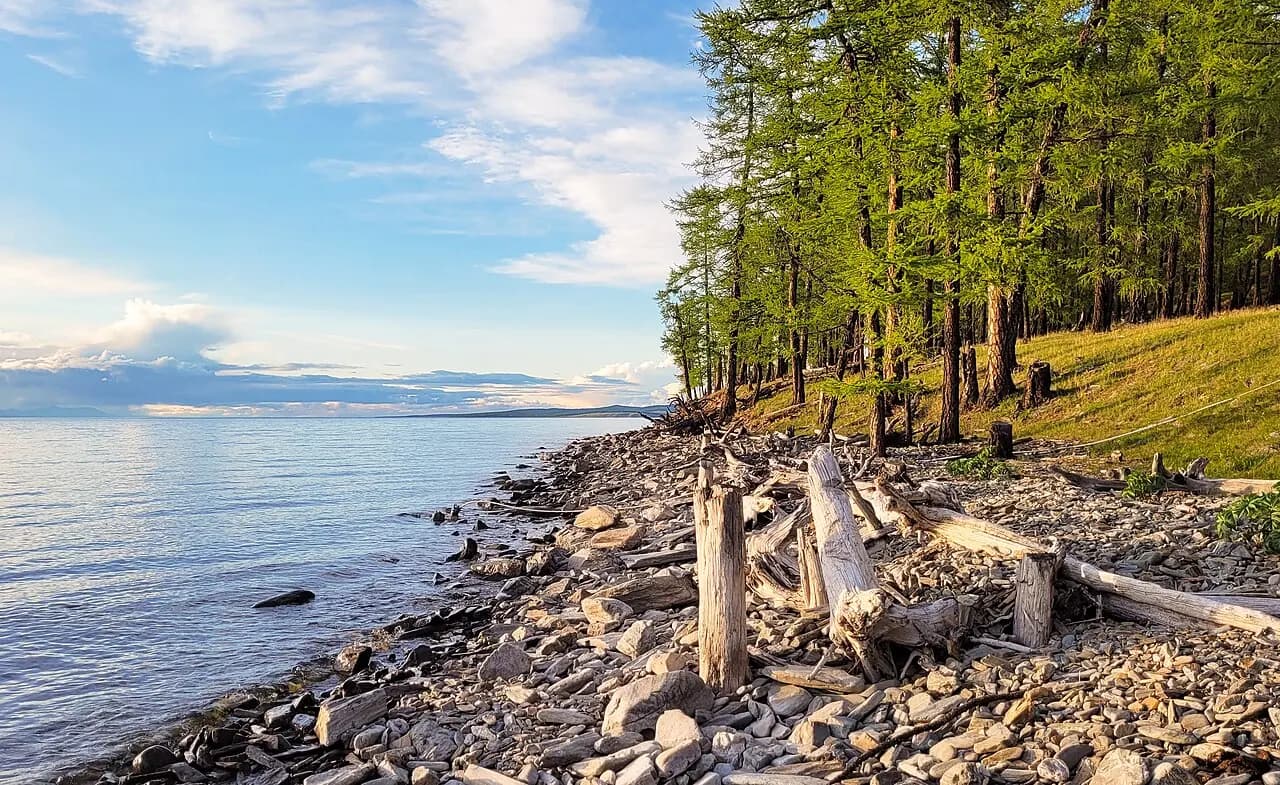
Lake Khövsgöl
The 'blue pearl of Mongolia', holding almost 70% of Mongolia's fresh water.
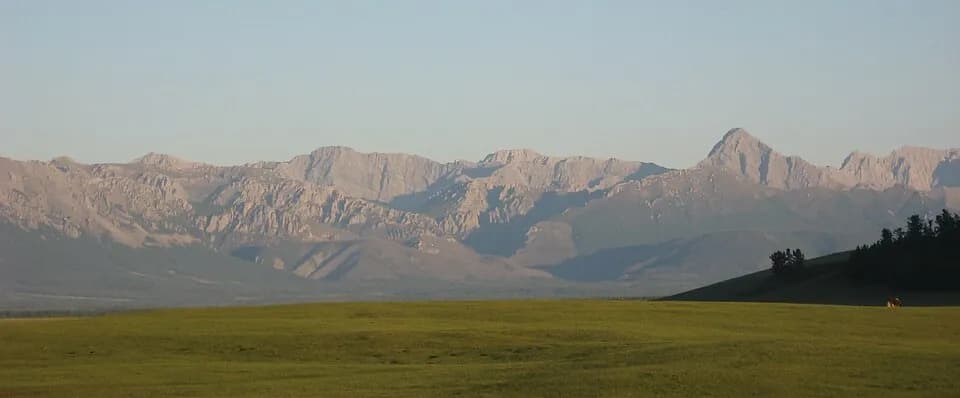
Darkhad Valley & Tsagaannuur
A remote valley of lakes and taiga in northern Khövsgöl, home to the Dukha reindeer herders.
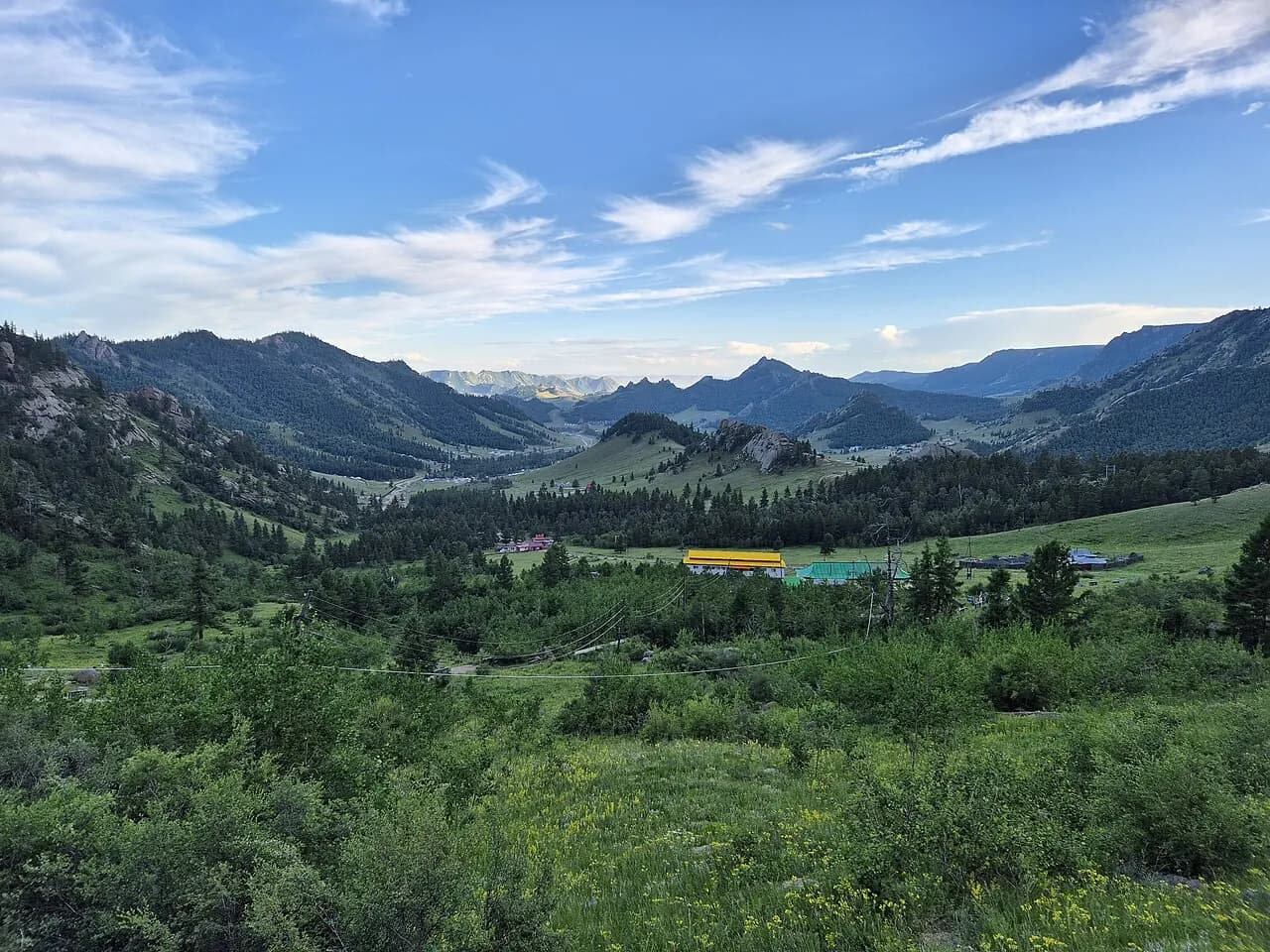
Gorkhi-Terelj
Rocks, forests and ger camps 1.5 hours from the capital.
Frequently asked questions
Can beginners go horseback riding in Mongolia?
Yes. Many ger camps offer short, guided rides on calm horses, and some operators run gentle multi-day treks for novices. Tell the operator honestly about your experience.
What is the best time for horse trekking in Mongolia?
June to September offers green pasture and mild weather. July and August are warmest but can bring afternoon rain.
Do I need a helmet for horse riding in Mongolia?
A helmet is strongly recommended. Not all operators provide one, so bring your own if possible or confirm before booking.