Shamanism in Mongolia: Tengri, Spirits and the Ovoo
Shamanism in Mongolia explained: Eternal Blue Sky worship, böö and udgan shamans, spirits of land and water, and how to walk around an ovoo respectfully.
3 min read · Updated
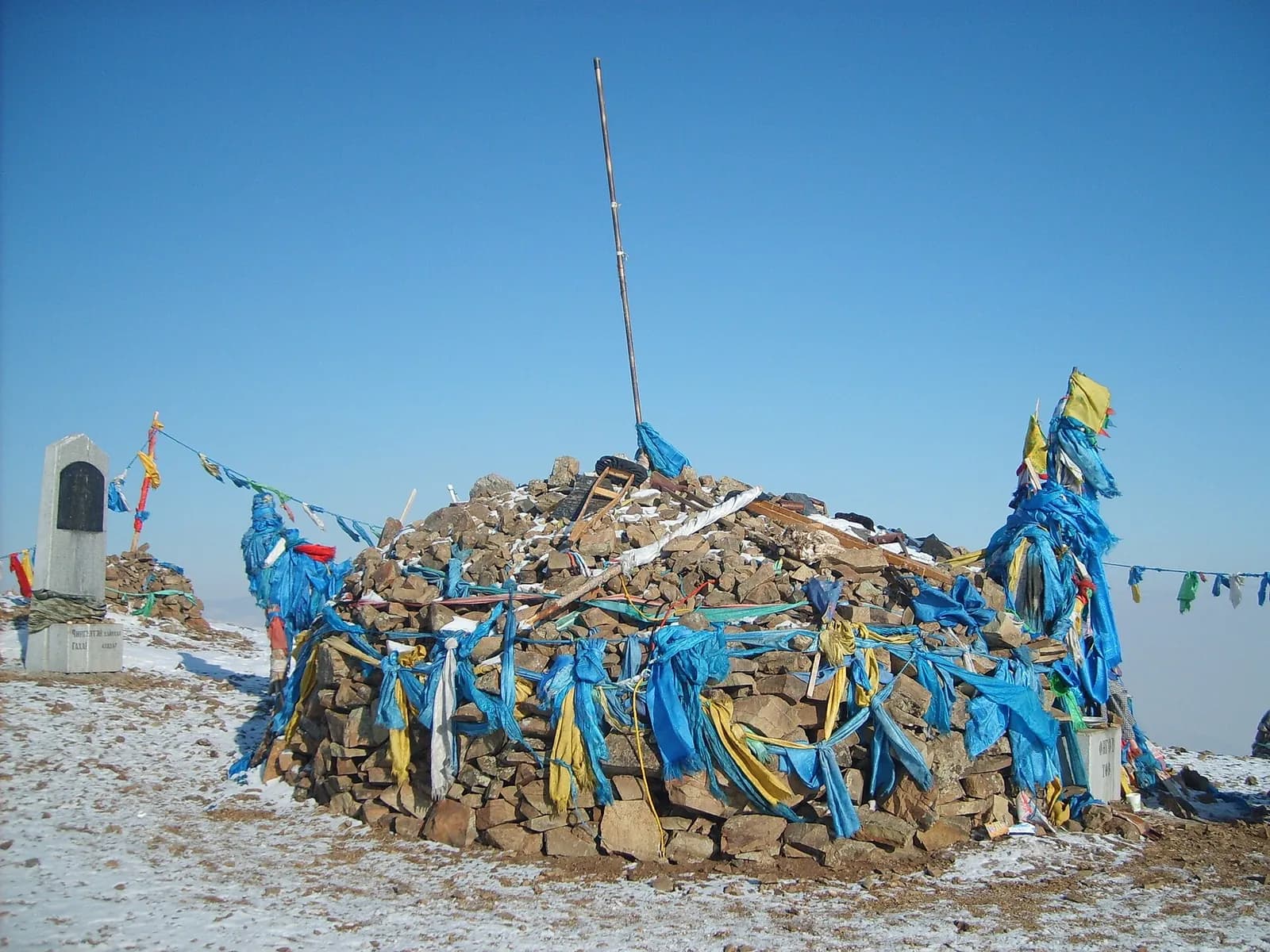
Photo: Martin Vorel · CC BY-SA 2.0 · Wikimedia Commons
Shamanism in Mongolia is a living tradition centred on the sky, Tenger, and on the spirits of ancestors, land and water, with shamans acting as go-betweens. It is practised openly today alongside Buddhism, and many Mongolians who call themselves Buddhists still make offerings at the stone cairns called ovoo. In the 2020 census, 2.5 percent of respondents named shamanism as their religion.
Tenger worship and the Eternal Blue Sky
The highest power is Tenger (тэнгэр), the sky, often called the Eternal Blue Sky, Mönkh Khökh Tenger (Мөнх хөх тэнгэр). Mongolians still call their country the Land of the Eternal Blue Sky. Traditional accounts describe 99 tenger, 55 benevolent and 44 fearsome, with the sky paired with the earth as a mother figure.
Closer to daily life are the masters of land and water, lus savdag (лус савдаг), terms borrowed from Tibetan. They can send drought or illness if neglected or offended, which is one reason Mongolians avoid polluting springs and rivers. Families also honour ongod (онгод), protective spirits that are often the souls of past shamans of their lineage. Everyday gestures, such as sprinkling milk as an offering to the sky and land, come from this tradition.
Shamans in Mongolia: böö and udgan
A shaman is a böö (бөө), a word used for both men and women; a female shaman is also called an udgan (удган). Many describe being chosen by the spirits rather than choosing the role, often after an illness or crisis and often with a shaman among their ancestors.
In ritual, a shaman wears a costume hung with metal pendants, cloth strips and charms, together with round bronze or copper mirrors called toli (толь), believed to shield against hostile spirits and hold the shaman's power. Drumming helps the shaman enter trance, during which ancestral spirits are said to speak through them or the shaman's soul travels to other worlds.
The ovoo: how to walk around one
An ovoo (овоо) is a cairn of stones, often topped with branches, found on passes, hilltops, by springs and at crossroads. Blue silk khadag (хадаг) scarves tied to it stand for the sky. Communities hold larger ovoo ceremonies, usually in summer, led by elders, shamans or Buddhist lamas.
When you stop at one:
- Walk around it clockwise three times.
- Pick up a stone from the ground and add it to the pile, making a wish for a safe journey.
- If you like, leave a small offering such as sweets, a coin or a few drops of milk.
- Never take stones or offerings away.
Drivers in a hurry simply sound the horn as they pass. At some sacred mountains and ovoo, women traditionally stay below the summit, especially during ceremonies, so follow local guidance.
Suppression and revival
From the late 16th century, as Tibetan Buddhism spread among the Mongols, rulers backed bans on ongon images and blood sacrifices. Many shamanic practices were absorbed into Buddhist ritual, and lamas still conduct ovoo ceremonies today. Under the communist government religion was repressed: the purges of 1937 to 1939 killed more than 18,000 lamas, shamans were arrested and their drums confiscated, and ovoo worship was banned.
After the democratic revolution of 1990, shamanism revived, both in Ulaanbaatar, where shaman associations and centres opened, and in the countryside. The Darkhad of the Darkhad Valley in Khövsgöl province are known for a strong shamanic tradition, as are the Dukha (Tsaatan) reindeer herders of the nearby taiga, a community of about 200 people of Tuvan origin. The state also honours sacred landscapes: worship of Burkhan Khaldun, the mountain linked to Chinggis Khaan, was formalised by presidential decree in 1995.
Etiquette for visitors at shamanic rituals
- Ask before photographing a shaman, a ritual or ongod figures, and accept a refusal.
- Do not touch the drum, costume, mirrors or other ritual objects.
- Follow your host's lead on where to sit and what to offer, and dress modestly.
- Treat ceremonies as religious practice, not performances. If a tour offers a shaman visit, ask your guide what is appropriate to give.
- Keep springs, rivers and lakes clean, and wash away from the water's edge.
Places in this guide
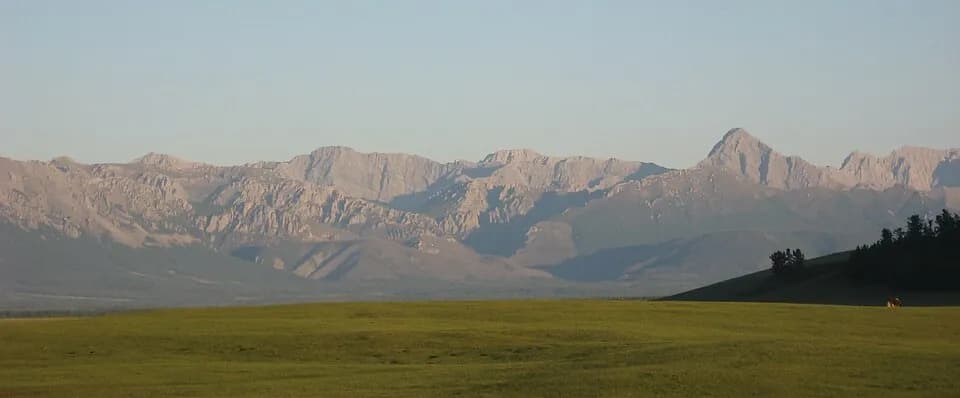
Darkhad Valley & Tsagaannuur
A remote valley of lakes and taiga in northern Khövsgöl, home to the Dukha reindeer herders.
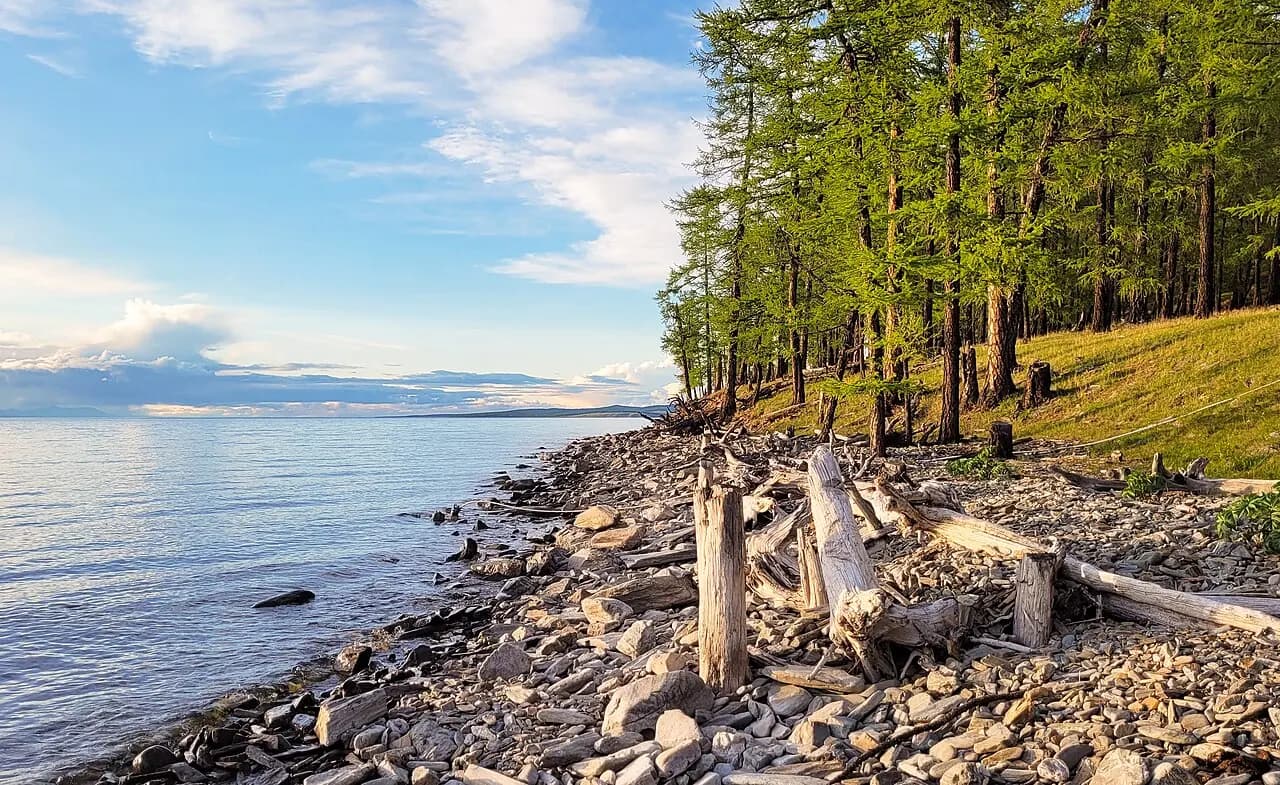
Lake Khövsgöl
The 'blue pearl of Mongolia', holding almost 70% of Mongolia's fresh water.
Frequently asked questions
How do you walk around an ovoo?
Walk around it clockwise three times and add a stone picked up from the ground, often with a wish for a safe journey. You can leave a small offering such as sweets, a coin or a few drops of milk, but never take anything away.
Is shamanism still practised in Mongolia?
Yes. After decades of repression under communism it revived openly after 1990, in Ulaanbaatar as well as in rural areas such as Khövsgöl. In the 2020 census, 2.5 percent of respondents named shamanism as their religion, and many Buddhists also keep shamanic customs such as ovoo offerings.
Can tourists attend a shamanic ritual in Mongolia?
Sometimes, if invited by the shaman or the family holding it. Ask before taking photos, do not touch ritual objects, and follow your host's lead, since a ritual is religious practice rather than a show.