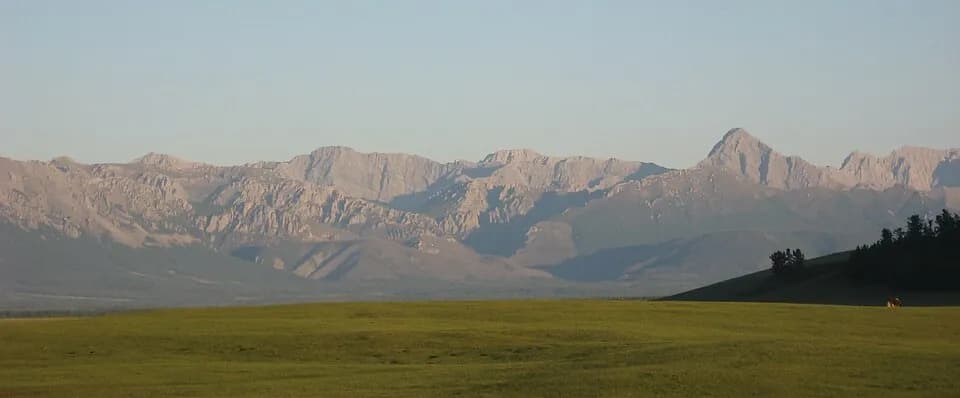
A remote valley of lakes and taiga in northern Khövsgöl, home to the Dukha reindeer herders.
The Darkhad Valley is a broad basin of about 4,270 km² at around 1,600 m in north-western Khövsgöl, between the Ulaan Taiga and Khoridol Saridag ranges. Lakes, rivers and marshes cover much of its floor; Dood Tsagaan is the largest lake and the Shishged the largest river. Most of its people are Darkhad herders, and in the taiga around it live the Dukha (Tsaatan), Mongolia's only reindeer herders, whose camps are reached from Tsagaannuur village.
An old lake bed
The valley is a deep north-south depression that may be the westernmost branch of the Baikal rift system. In the last ice age, glaciers from the surrounding mountains advanced to its edges several times, and about 17,000 to 19,000 years ago a glacier-dammed lake perhaps 140 m deep briefly filled the basin. Today its floor is a mosaic of small lakes, wetlands and grassland on top of continuous permafrost, and the climate is strongly continental, with long, very cold winters. The Shishged drains north into Russia's Tuva, and its waters hold taimen, a protected fish that must not be killed.
Forest and reindeer
Larch-dominated taiga covers the mountains on either side, and since 2011 much of it has been protected in the Tengis-Shishged National Park and the Ulaan Taiga Strictly Protected Area. The Dukha numbered only about 200 people in Mongolia in 2020, and their reindeer depend on lichen pastures that are sensitive to warmer weather.
When to go
July to September is the travel season. Summer brings rain, deep bogs and biting insects, while September is drier and colder, with the larch turning gold. Winters are severe. From Mörön, allow at least a week to make a visit to the taiga worthwhile. There is no waste collection in the valley or the taiga, so carry all your rubbish out with you.
Photo: Yaan · CC BY-SA 3.0 · Wikimedia Commons
Things to do at Darkhad Valley & Tsagaannuur
4 activities · best season: Summer, Autumn
Horse riding · full day
Ride into the taiga
The Dukha camps are reached by horse from the Tsagaannuur area, as much of the route is boggy forest. Expect about 4 to 8 hours in the saddle to the East Taiga; the West Taiga trip is usually longer.
Read the guide →Culture · 1–3 days
Stay with a Dukha family
Go with a local guide and arrange the visit through the community or a responsible operator, pay for the services you use, buy crafts if offered and ask before taking photographs. Do not try to change the herders' way of life for your own comfort.
Nature · half day
Explore the valley lakes
Tsagaannuur lies by Dood Tsagaan, the largest of the valley's many lakes, with the forested ranges of the taiga rising behind.
Camping · overnight
Camp in the valley
Bring your own tent and camp by a river or lake. The area has wolves and bears, so travel with a guide rather than alone.
When to go & how to get there
Weather by month
Getting there
Fly from Ulaanbaatar to Mörön, or take the daily bus (about 12 hours on a paved road). From Mörön, Tsagaannuur is roughly 300 km away on rough unpaved tracks, at least 10 hours by 4x4 and longer after rain; many travellers break the trip in Ulaan-Uul. The taiga lies in the border zone with Russia, and a border permit is needed to go beyond Tsagaannuur. Arrange it in advance through a tour operator or in Tsagaannuur, and allow one to two days for it to be issued.
Where to stay
Tsagaannuur has simple guesthouses, and some families offer stays in their gers. In the taiga you camp or stay with herding families by arrangement. A community-run visitor centre was set up in Tsagaannuur so that tourism income reaches the herding families; ask locally whether it is operating. Avoid visiting in April and early May, when the reindeer give birth.
Gallery
4 photos · tap to enlarge · sources credited on each photo
Where is Darkhad Valley & Tsagaannuur?
from Ulaanbaatar from Mörön · a dotted end marks a stretch with no road
Khövsgöl province · nearest town: Tsagaannuur
Guides that mention Darkhad Valley & Tsagaannuur
- International Border PointsMongolia's international border points: Chinggis Khaan airport, Russian crossings at Sükhbaatar and Altanbulag, Zamyn-Üüd to China, and why to check status.
- Horseback Riding in MongoliaHorseback riding in Mongolia: where to ride, what Mongolian horses are like, multi-day trek routes, saddles, safety and tips for beginner riders.
Khangai & Central
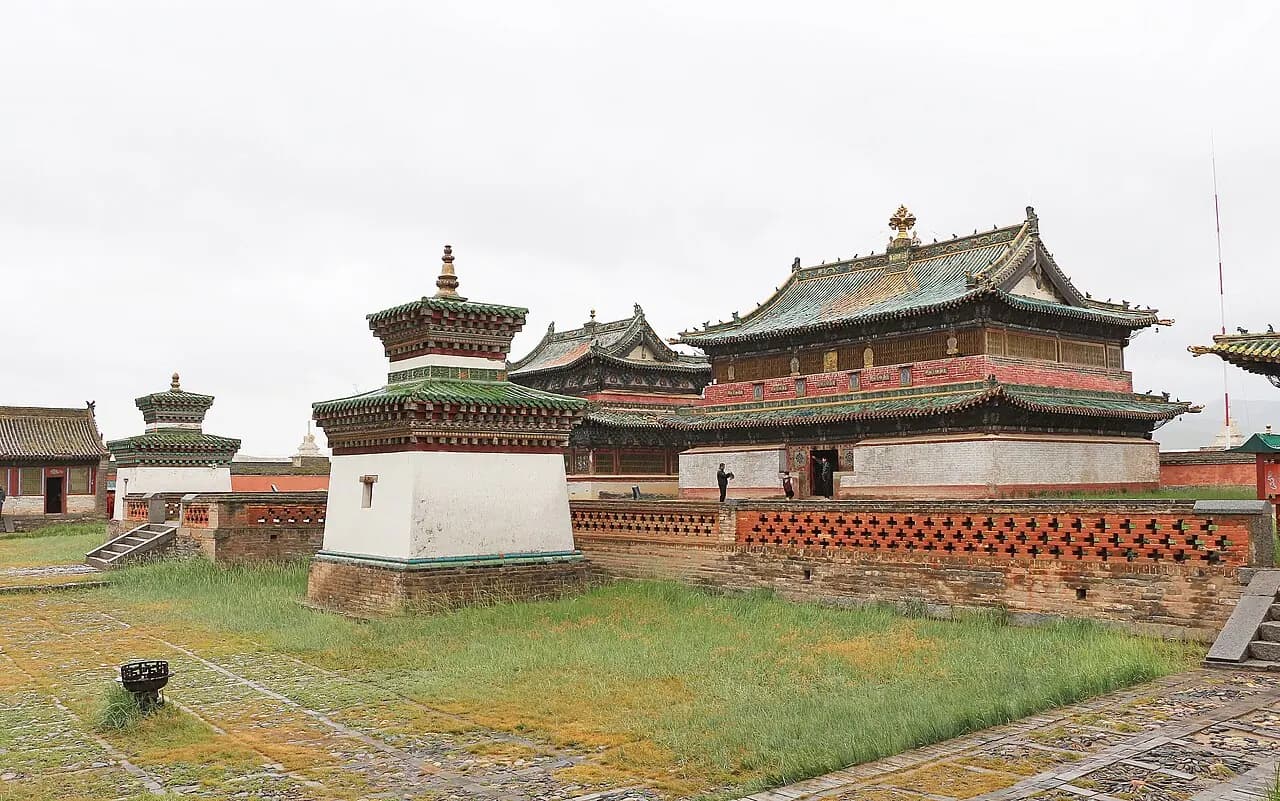
Kharkhorin & Erdene Zuu
Mongolia's oldest surviving Buddhist monastery, built on the ruins of the imperial capital Karakorum.
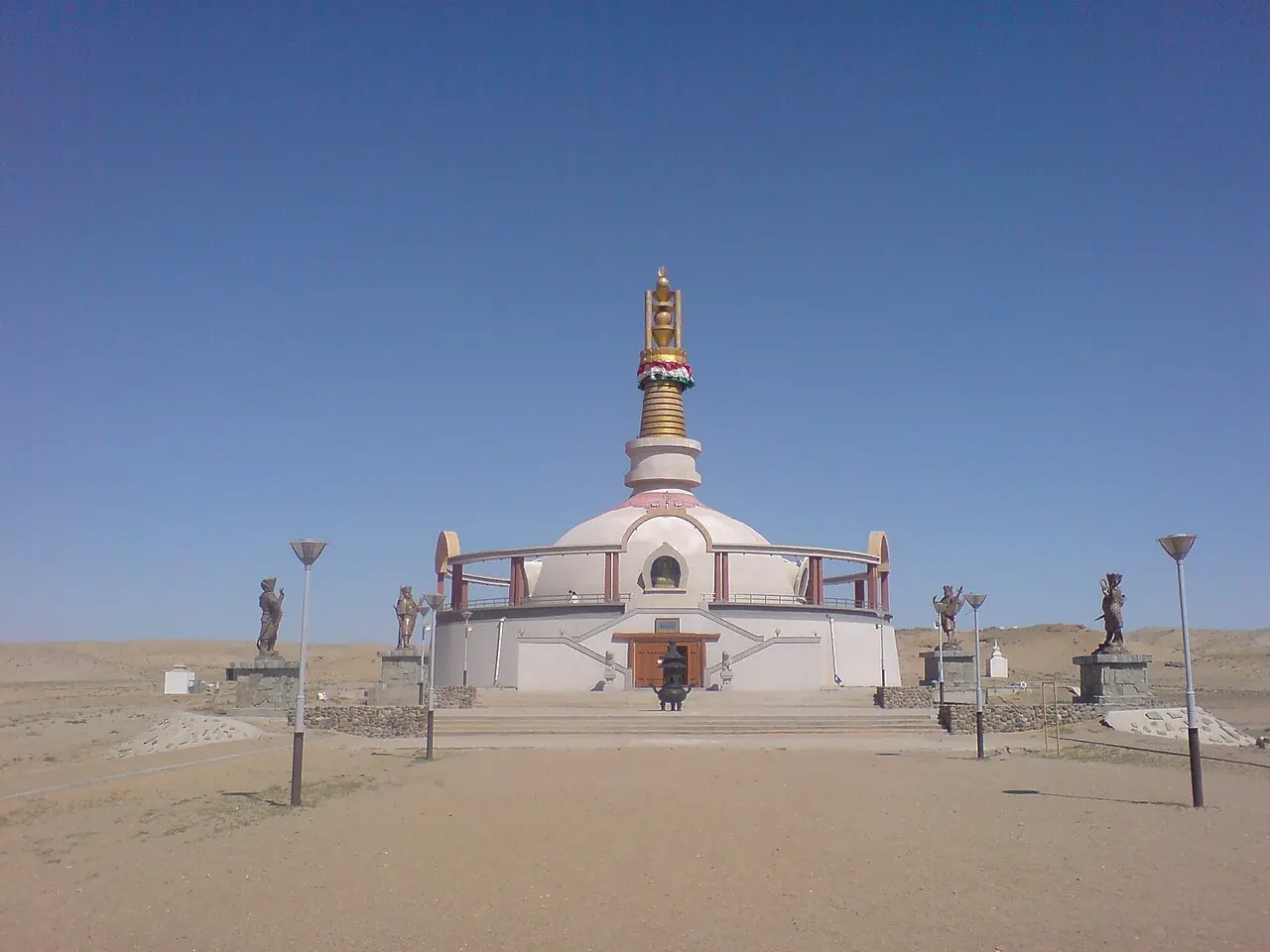
Khögnö Khan & Elsen Tasarkhai
Gobi, steppe and mountain in one place; the closest dunes to the capital.
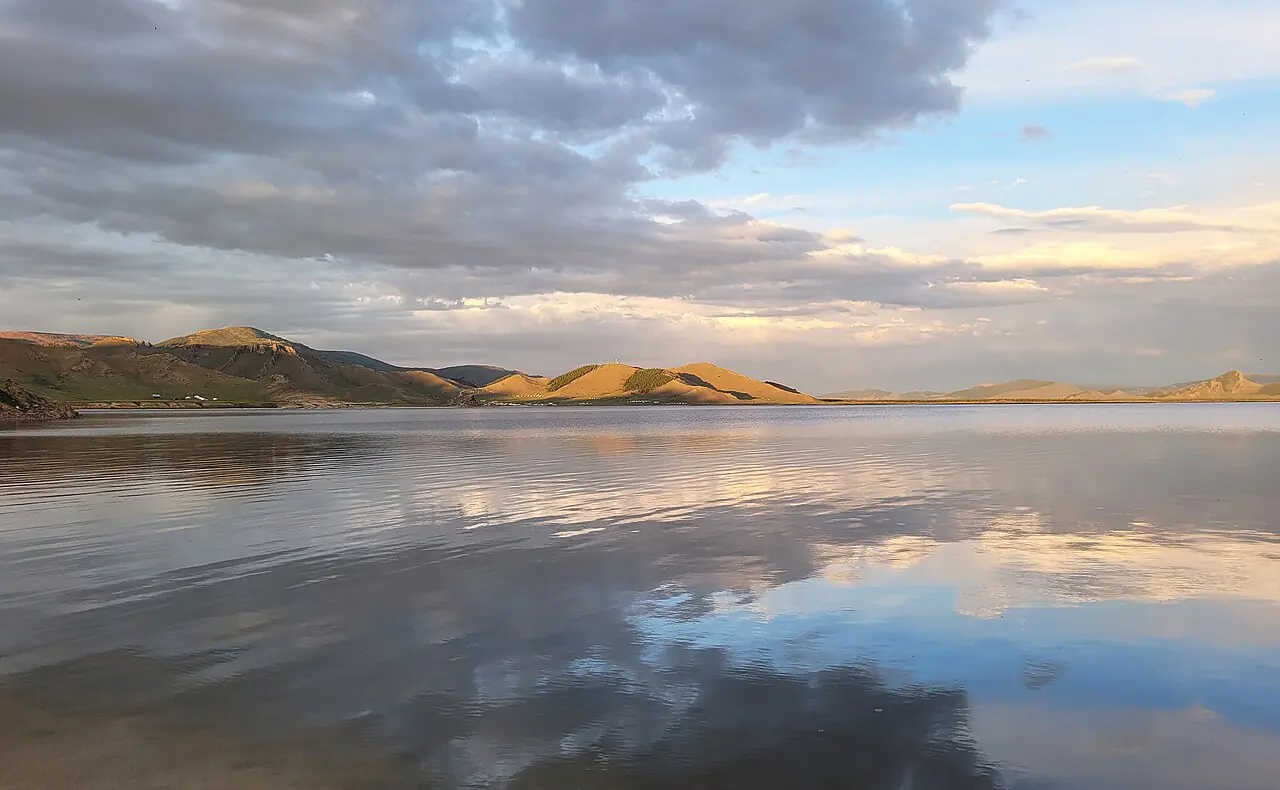
Terkhiin Tsagaan Lake & Khorgo
A freshwater lake beside an extinct volcano.