Top 10 Places to Visit in Mongolia
Top 10 places to visit in Mongolia, from Ulaanbaatar and the Gobi dunes to Kharkhorin, Lake Khövsgöl and the Altai, with tips on planning your route.
3 min read · Updated
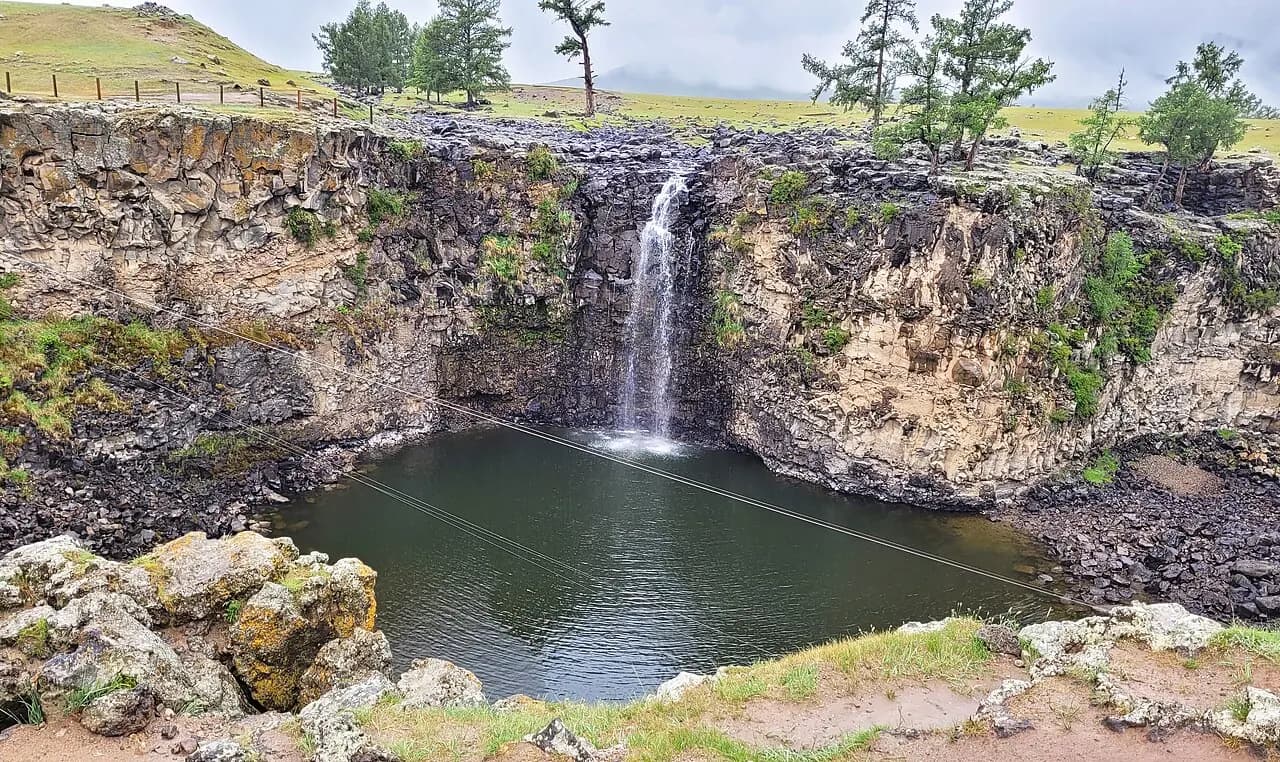
Photo: Bernard Gagnon · CC0 · Wikimedia Commons
Mongolia's top places to visit span three very different landscapes: the Gobi Desert in the south, the forests, lakes and steppe of the centre and north, and the high Altai mountains in the far west. Most first-time travellers combine Ulaanbaatar with either a Gobi loop or a central route through Kharkhorin and Arkhangai.
1. Ulaanbaatar
The capital is home to almost half of Mongolia's population of about 3.5 million (2024) and is the starting point for nearly every trip. Spend a day or two on Gandan Monastery, the National Museum of Mongolia, the Chinggis Khaan National Museum and Sükhbaatar Square before heading into the countryside.
2. Khongoryn Els
Often called the "singing dunes" for the sound the sand makes as it slides, Khongoryn Els in Gobi Gurvansaikhan National Park stretches for roughly 100 km, with most dunes around 80 m high and the highest reaching about 300 m. Climbing to the crest at sunset and riding a Bactrian camel at its foot are classic Gobi experiences.
3. Yolyn Am
This narrow gorge in the Zuun Saikhan mountains is surprisingly green for the Gobi. In colder years a thick ice field lingers deep in the canyon into early summer. Scan the cliffs for ibex, argali sheep and bearded vultures, the bird that gives the gorge its name.
4. Bayanzag (Flaming Cliffs)
The red sandstone cliffs of Bayanzag glow at sunset and are famous in palaeontology: expeditions of the American Museum of Natural History led by Roy Chapman Andrews found dinosaur eggs here in the 1920s.
5. Kharkhorin and Erdene Zuu Monastery
Kharkhorin stands near the site of Karakorum, the 13th-century capital of the Mongol Empire. Erdene Zuu, founded in 1585 and enclosed by a wall of 108 stupas, is one of the oldest surviving Buddhist monasteries in Mongolia. The area is part of the Orkhon Valley Cultural Landscape, a UNESCO World Heritage Site since 2004.
6. Lake Khövsgöl
Mongolia's deepest lake lies close to the Russian border, ringed by larch forest and mountains. It holds a large share of the country's fresh water, often cited as around 70 percent. Summer visitors hike, ride and kayak; in winter the lake freezes solid and hosts the Khövsgöl Ice Festival.
7. Terkhiin Tsagaan Lake and Khorgo Volcano
In Arkhangai province, this freshwater lake was formed when lava from the now-extinct Khorgo volcano dammed a river valley. You can walk up to the crater rim in under an hour, then camp or stay in a ger camp on the shore. It is a natural stop between Kharkhorin and Khövsgöl.
8. Gorkhi-Terelj National Park
Only about 1.5–2 hours' drive from Ulaanbaatar, Terelj offers granite formations such as Turtle Rock, river valleys and pine forest. It is ideal for a short trip with hiking, horse riding and a night in a ger camp. The giant Chinggis Khaan Equestrian Statue at Tsonjin Boldog is often visited on the way.
9. Altai Tavan Bogd National Park
In Bayan-Ölgii province in the far west, Mongolia's highest peak, Khüiten (4,374 m), rises above the Potanin Glacier. The region is home to Kazakh communities known for hunting with golden eagles. Most visitors fly to Ölgii and continue overland. A border-zone permit is normally required, so arrange it in advance through your tour operator or the border authorities.
10. Tsagaan Suvarga
The "White Stupa" in Dundgovi province is an eroded escarpment of layered sedimentary rock in bands of white, pink and orange that looks like a ruined city from a distance. It is a popular first or last stop on a Gobi loop from Ulaanbaatar.
Practical tips for planning your route
- Distances are long and many roads are unpaved: a Gobi loop usually takes 6–8 days, and a central route up to Khövsgöl 8–12 days.
- June to September is the main travel season; the Gobi can be very hot in July, while nights in the north are cold.
- Combine neighbouring regions rather than trying to see everything on one trip.
- Opening hours, entrance fees and permit rules change, so confirm them with your tour operator or the relevant protected-area administration.
Places in this guide
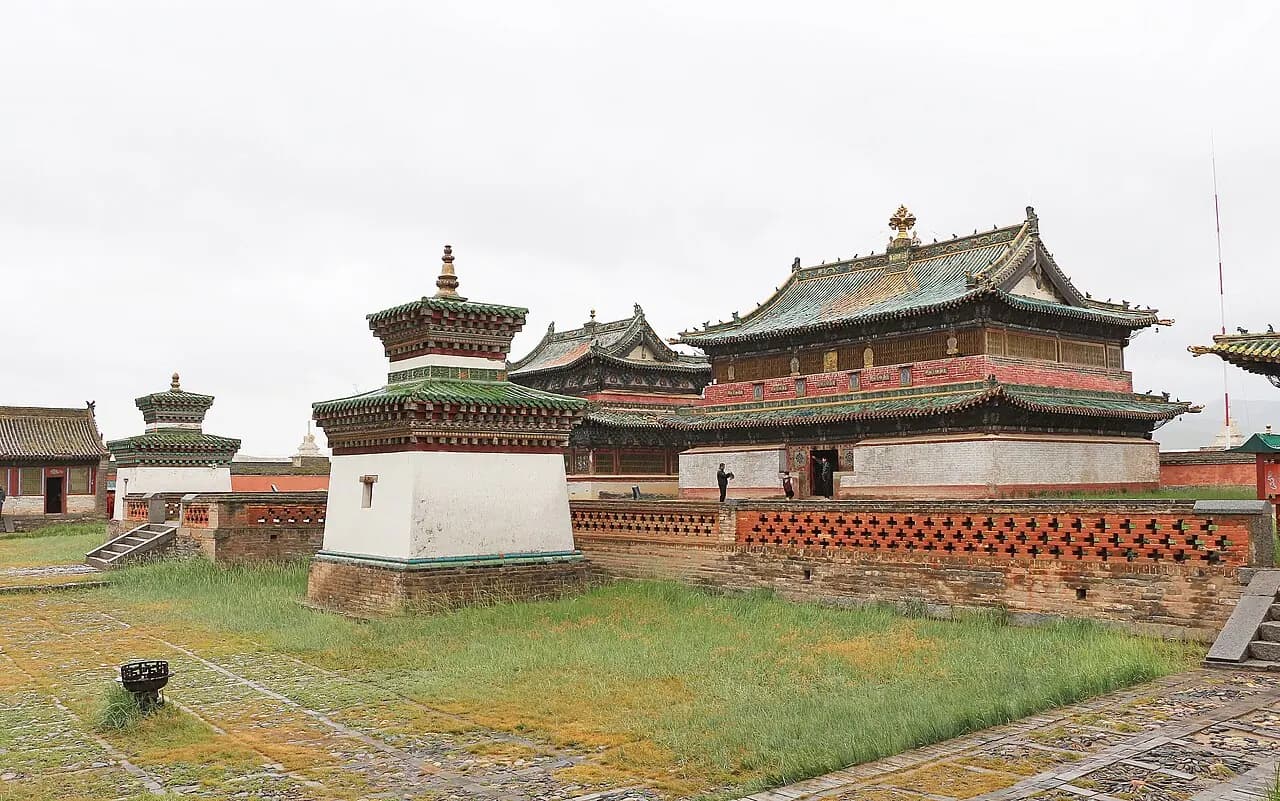
Kharkhorin & Erdene Zuu
Mongolia's oldest surviving Buddhist monastery, built on the ruins of the imperial capital Karakorum.
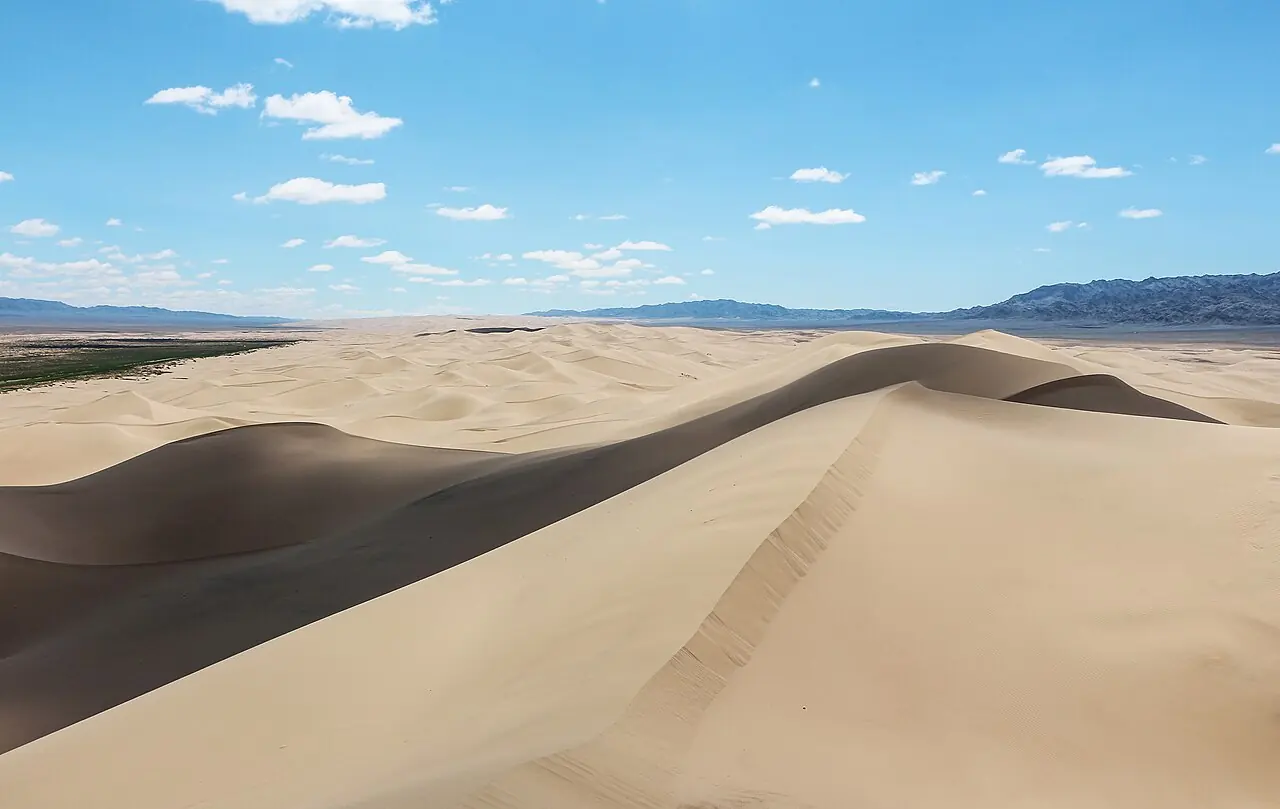
Khongoryn Els
The 'singing sands': one of Mongolia's largest dune fields, with ridges said to reach 300 m.
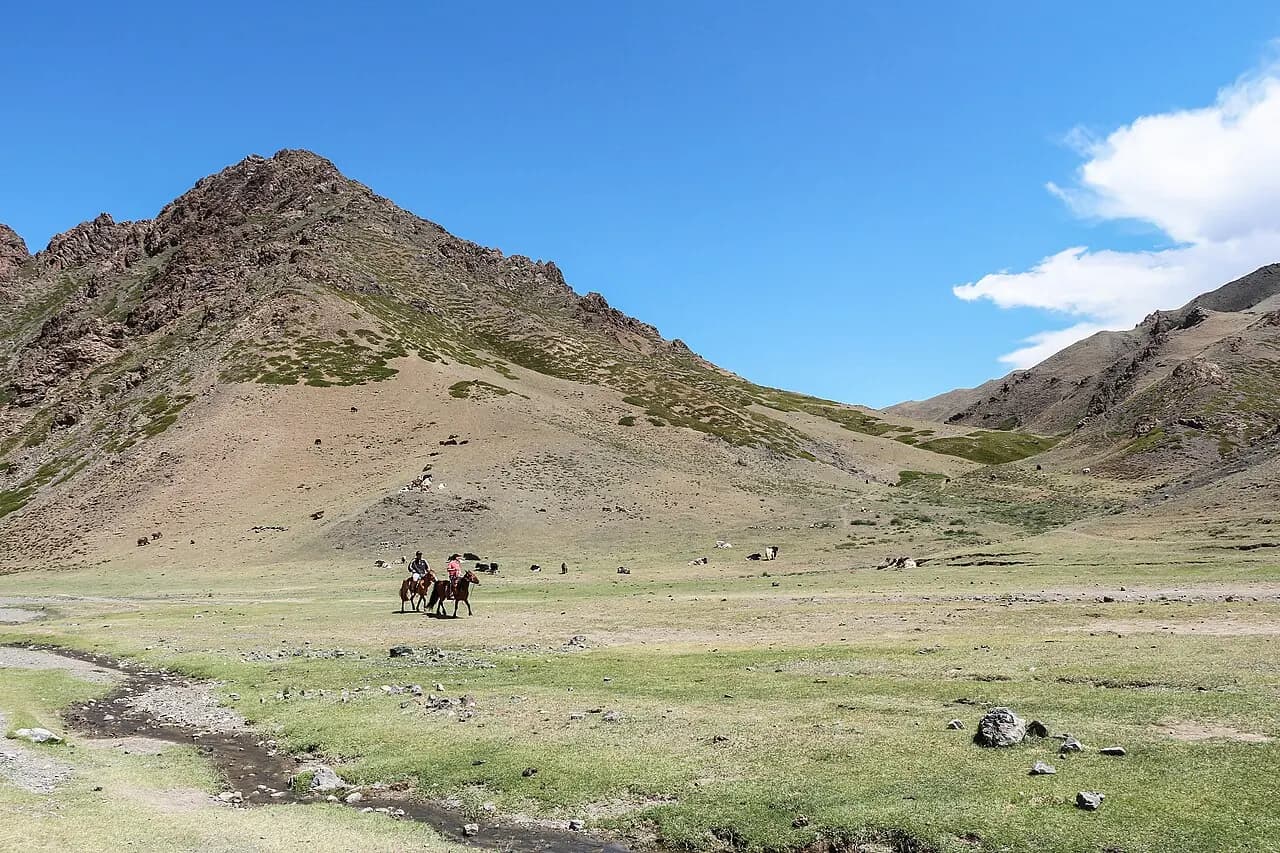
Yolyn Am
An ice-filled gorge in the heart of the Gobi; the ice survives into midsummer.
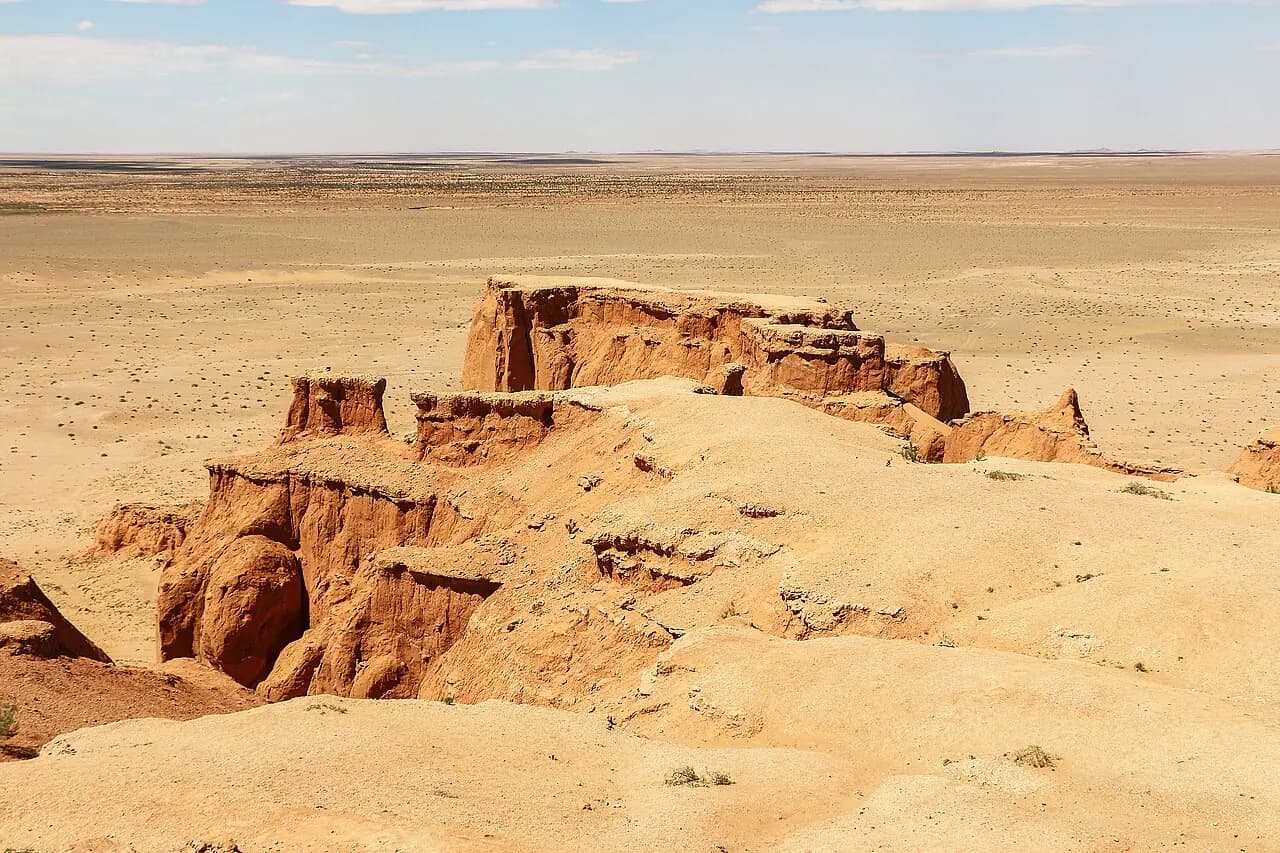
Bayanzag (Flaming Cliffs)
The red cliffs where dinosaur eggs were first discovered.
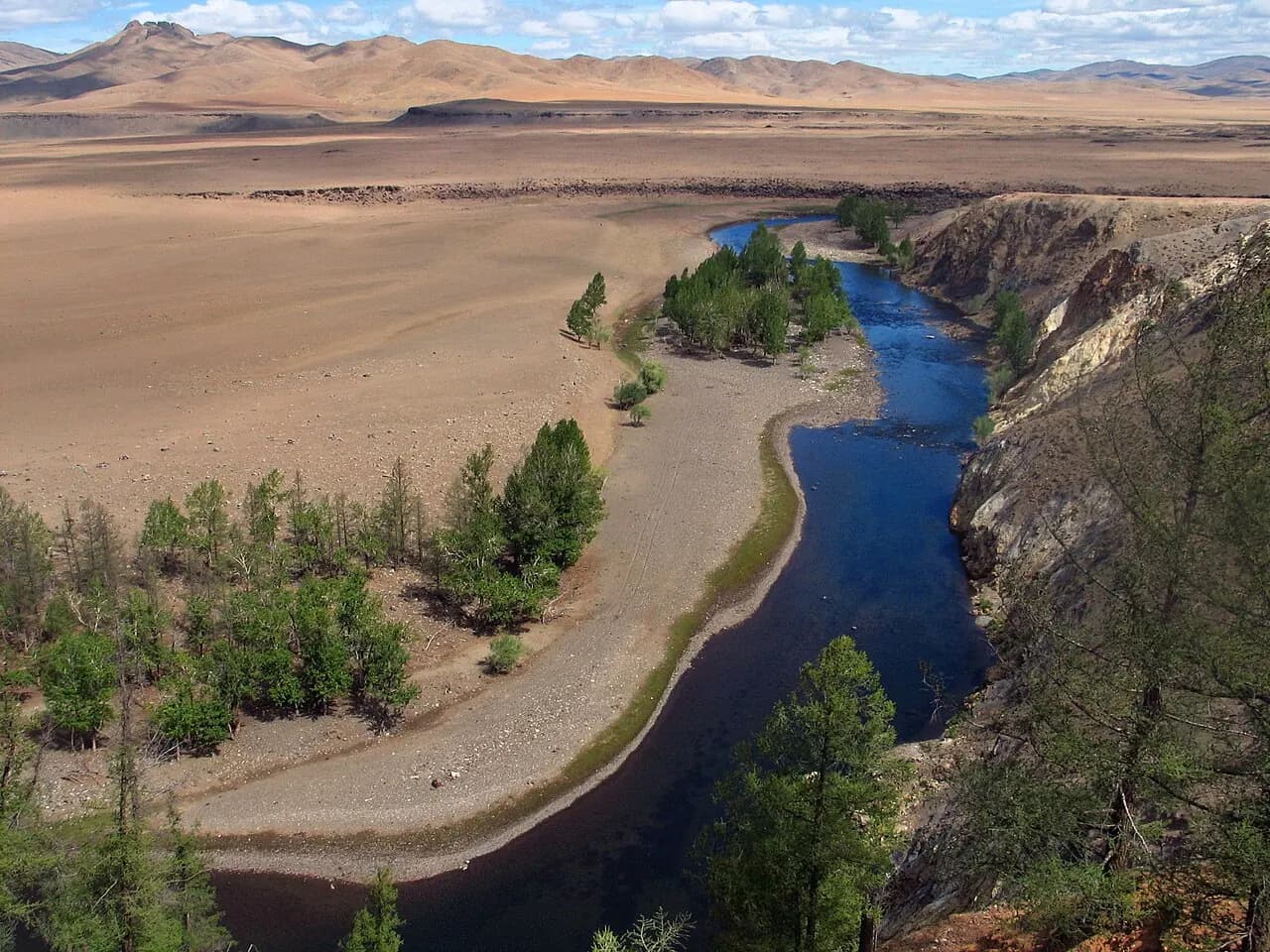
Orkhon Valley & Ulaan Tsutgalan
A 20 m waterfall, nomad summer camps and Tövkhön monastery.
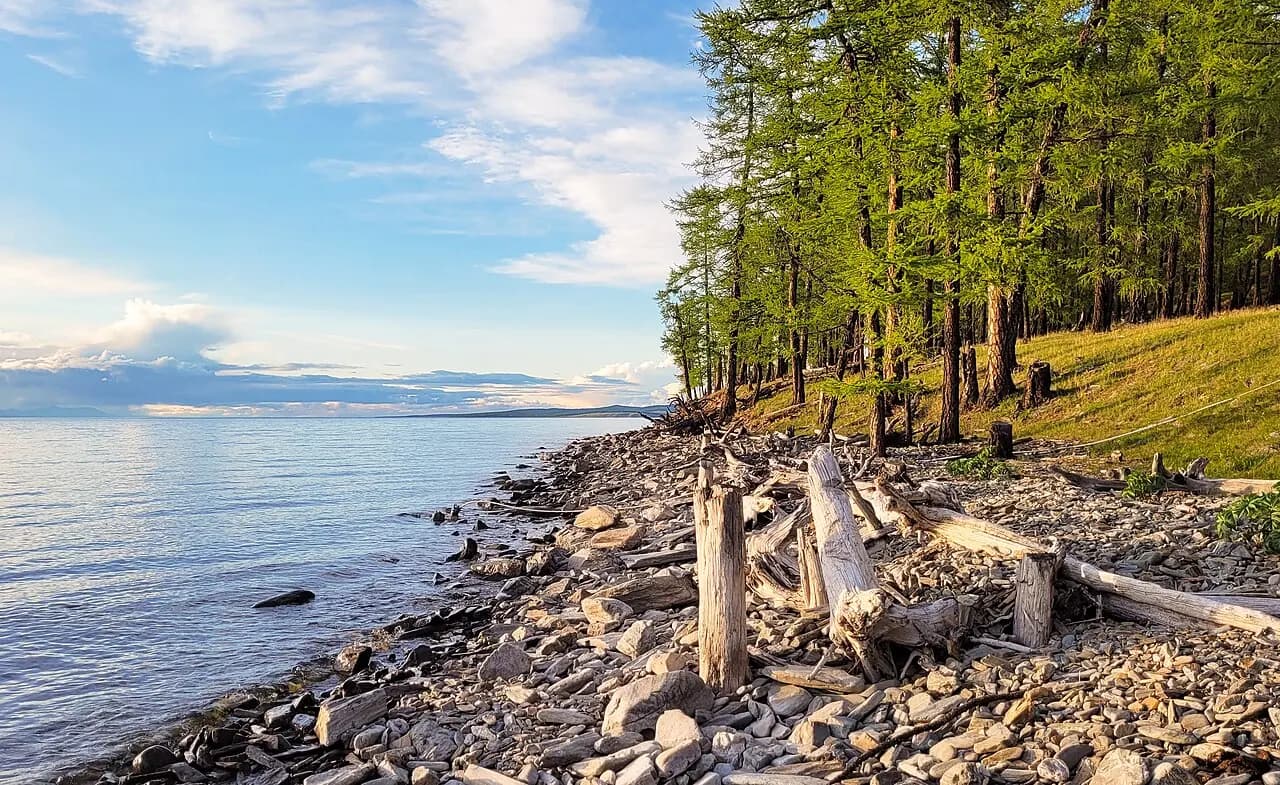
Lake Khövsgöl
The 'blue pearl of Mongolia', holding almost 70% of Mongolia's fresh water.
Frequently asked questions
What are the most popular places to visit in Mongolia?
Outside Ulaanbaatar, the Gobi (Khongoryn Els, Yolyn Am, Bayanzag) and the Orkhon Valley with Kharkhorin are the most visited. Lake Khövsgöl is the top destination in the north.
How many days do I need to see Mongolia's highlights?
Allow at least 10–14 days to combine the Gobi and central Mongolia by road. A week is enough for one region, such as a Gobi loop.
Can I visit Terelj as a day trip from Ulaanbaatar?
Yes. Gorkhi-Terelj National Park is about 1.5–2 hours' drive from the city, so a day trip works, though an overnight stay in a ger camp is more relaxed.