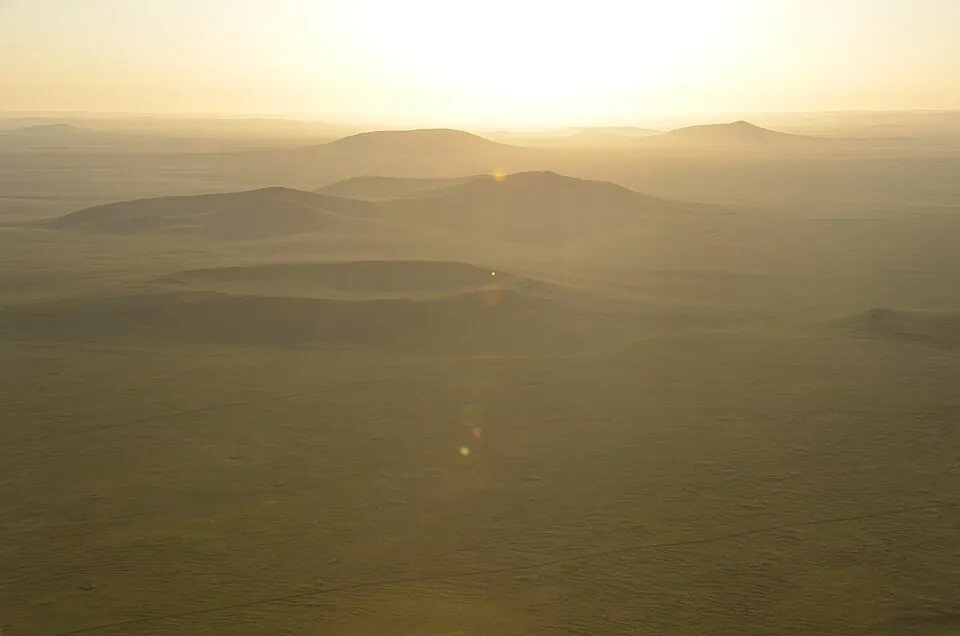
A sacred extinct volcano near the Chinese border, climbed at sunrise, amid the lakes and cones of Dariganga.
Shiliin Bogd (1,778 m) is an extinct volcano and the highest peak in Sükhbaatar aimag, rising from the Dariganga plateau near the Chinese border. Mongolians climb to its rim to watch the sunrise, and a visit is usually combined with the cave of Taliin Agui, the lake of Ganga Nuur and Dariganga village, about 70 km to the west.
A field of volcanoes
Dariganga lies in one of Mongolia's largest volcanic fields, where more than 200 cinder and lava cones and their basalt flows cover well over 10,000 km². Dating shows eruptions over a long span, from the Miocene, more than 10 million years ago, into the Pleistocene, less than 1.7 million years ago. From the summit you look out over cone after cone across the grassland. This is the meeting point of the eastern steppe and the Gobi, a landscape of short grass, almost no trees and wide horizons, grazed by herders' horses and sheep and by Mongolian gazelles.
Lakes and dunes
Between the mountain and Dariganga, the Moltsog Els dunes stretch across the south of the aimag, and on their northern edge lie Ganga Nuur and a cluster of smaller lakes. 'Lake Ganga and its surrounding wetlands' has been a Ramsar site since 2004, and whooper swans gather there in autumn. The lakes have been shrinking, and vehicle tracks easily damage the dune grass and soft soils.
Timing and respect
Late May to September is the usual season, and September is the time to see the swans. The plateau is exposed, with strong wind and cold mornings even in summer, so bring warm layers and a torch for the pre-dawn climb. On the summit, walk clockwise around the ovoo, do not remove stones or offerings, and ask your guide about local customs, which differ between sacred sites.
Photo: Gologmine · CC BY-SA 4.0 · Wikimedia Commons
History
The history of Shiliin Bogd & Dariganga
A sacred mountain
Shiliin Bogd is one of the most revered mountains in eastern Mongolia. Mongolians, especially men, walk up to the crater rim before dawn, as tradition holds that a man who climbs it, above all at sunrise, renews his spirit. Pilgrims walk clockwise around the summit ovoo (stone cairn), leave offerings such as milk, rice and vodka, and men remove their hats as the sun rises.
Altan Ovoo
The small volcano of Altan Ovoo above Dariganga village was declared an officially worshipped mountain by the Eighth Bogd Khan (1869–1924). A presidential decree of 2004 renewed this status, and state ceremonies were held there in 2004, 2008 and 2012. By custom only men climb to the top; women walk around the hill or visit a smaller site nearby.
Stone figures
The Dariganga area has many carved stone figures, often shown seated on a chair and holding a cup in the right hand. Mongolia's Ministry of Culture dates the stone figures of Sükhbaatar aimag to the 13th and 14th centuries, the period of the Mongol Empire, although scholars have debated their exact age. Some figures still receive offerings from local people.
Toroi-Bandi
A statue on the road from Dariganga to Shiliin Bogd, about 8 km past Ganga Nuur, honours Toroi-Bandi, a 19th-century outlaw remembered locally for stealing horses from the Manchu authorities and hiding from them on Shiliin Bogd.
Things to do at Shiliin Bogd & Dariganga
5 activities · best season: Spring, Summer, Autumn
Hiking · 2 h
Climb to the crater rim for sunrise
A clear path leads up the side of the volcano to the rim in about 20 to 40 minutes. Walk clockwise around the ovoo, as local pilgrims do, and look east across the plains towards the border.
Nature · 1–2 h
Explore Taliin Agui cave
This large cave lies about 15 km north-west of Shiliin Bogd. Ice can block the narrow entrance until mid-summer; bring a torch and take care on the slippery floor.
Birdwatching · 1–2 h
Birdwatch at Ganga Nuur
This small lake and its wetlands are a Ramsar site and Important Bird Area, where migratory birds such as whooper swans and ruddy shelducks rest and breed.
Dunes · 1–2 h
Walk the Moltsog Els dunes
Ganga Nuur sits on the north-eastern edge of the Moltsog Els dune belt, which stretches for many kilometres across the south of the aimag.
Culture · 2 h
See Altan Ovoo and the stone figures
In and around Dariganga village, see the sacred hill of Altan Ovoo and the old stone figures. Respect the custom that only men climb to the top of Altan Ovoo.
When to go & how to get there
Weather by month
Getting there
Drive from Ulaanbaatar to Baruun-Urt, the aimag centre (about 560 km on the paved eastern road; a daily bus takes most of a day). From Baruun-Urt it is about 180 km south to Dariganga and a further 70 km east to Shiliin Bogd on unpaved tracks, best done with a 4x4 and a driver who knows the area. The mountain is close to the Chinese border; travellers have reported that a border-zone permit may be required, so check current rules with a licensed Mongolian tour operator before you go.
Where to stay
Camping at the foot of the mountain is common and lets you climb for sunrise. Dariganga village is the nearest place with shops and basic services; ask your operator about current ger camp and guesthouse options in the area.
Where is Shiliin Bogd & Dariganga?
from Ulaanbaatar from Baruun-Urt · a dotted end marks a stretch with no road
Sükhbaatar province · nearest town: Dariganga
Guides that mention Shiliin Bogd & Dariganga
- Mongolian ClothesMongolian clothes explained: the deel and its seasonal types, the sash, traditional boots and hats, regional styles, and tips for buying and wearing a deel.
- Mongolian PeopleMongolian people at a glance: about 3.5 million (2024), half in Ulaanbaatar. Khalkha majority, Kazakhs, Buryats, Dörvöd, Tuvans, Tsaatan, language and names.
- Art of MetalworksMongolian metalwork explained: blacksmith traditions, Dariganga silverwork, Zanabazar's gilded bronze casting, and tips for buying silver bowls and knife sets.
Eastern Mongolia
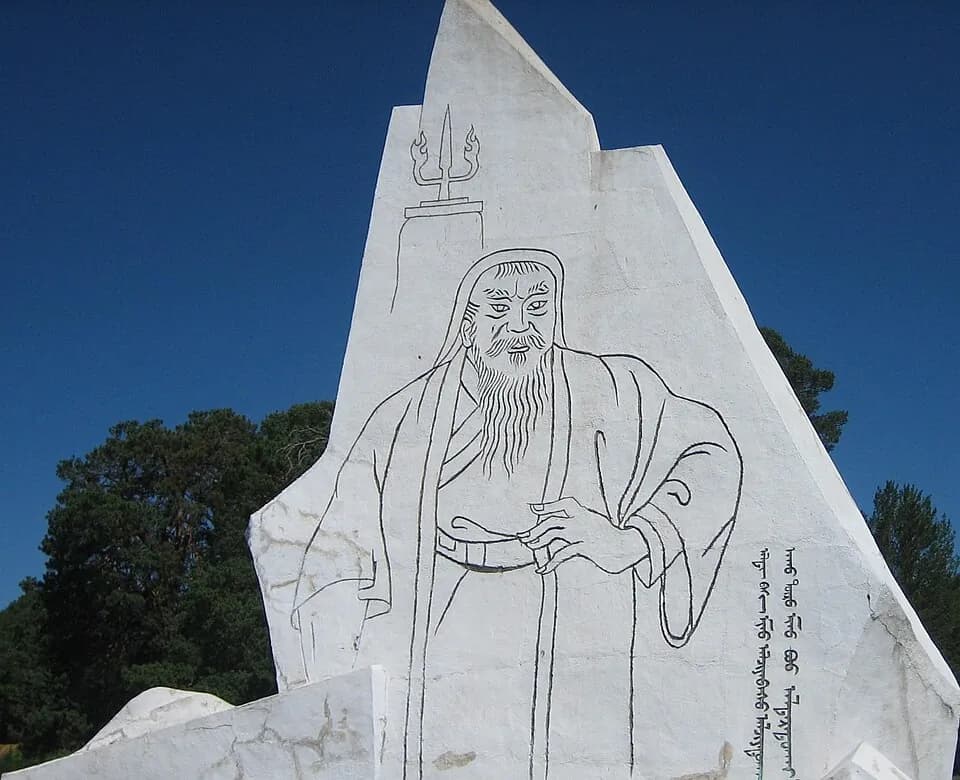
Deluun Boldog
The birthplace of Chinggis Khaan: Dadal soum in the Onon valley.
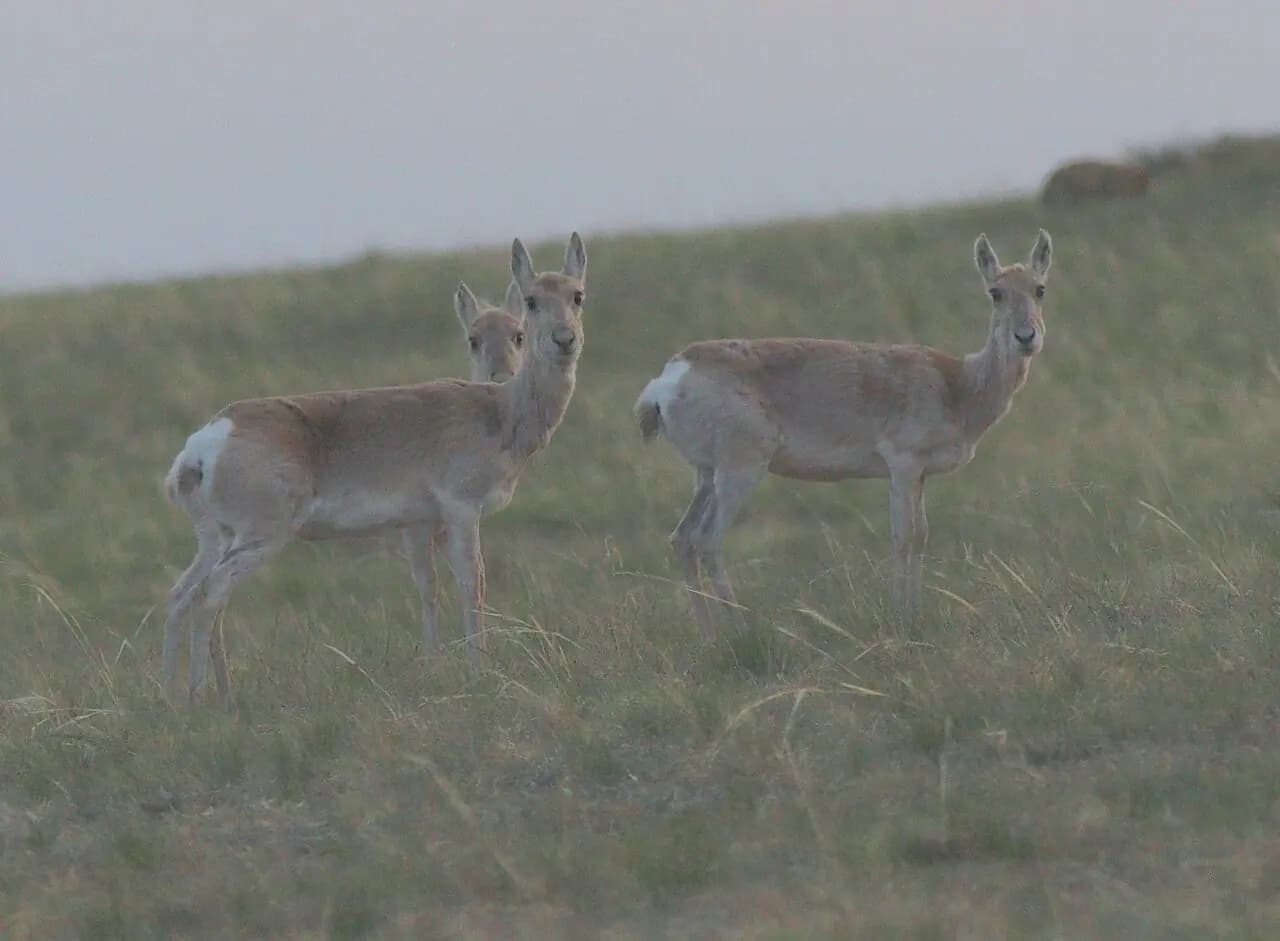
Menen Steppe
One of the largest untouched steppes on earth, home to gazelle herds.
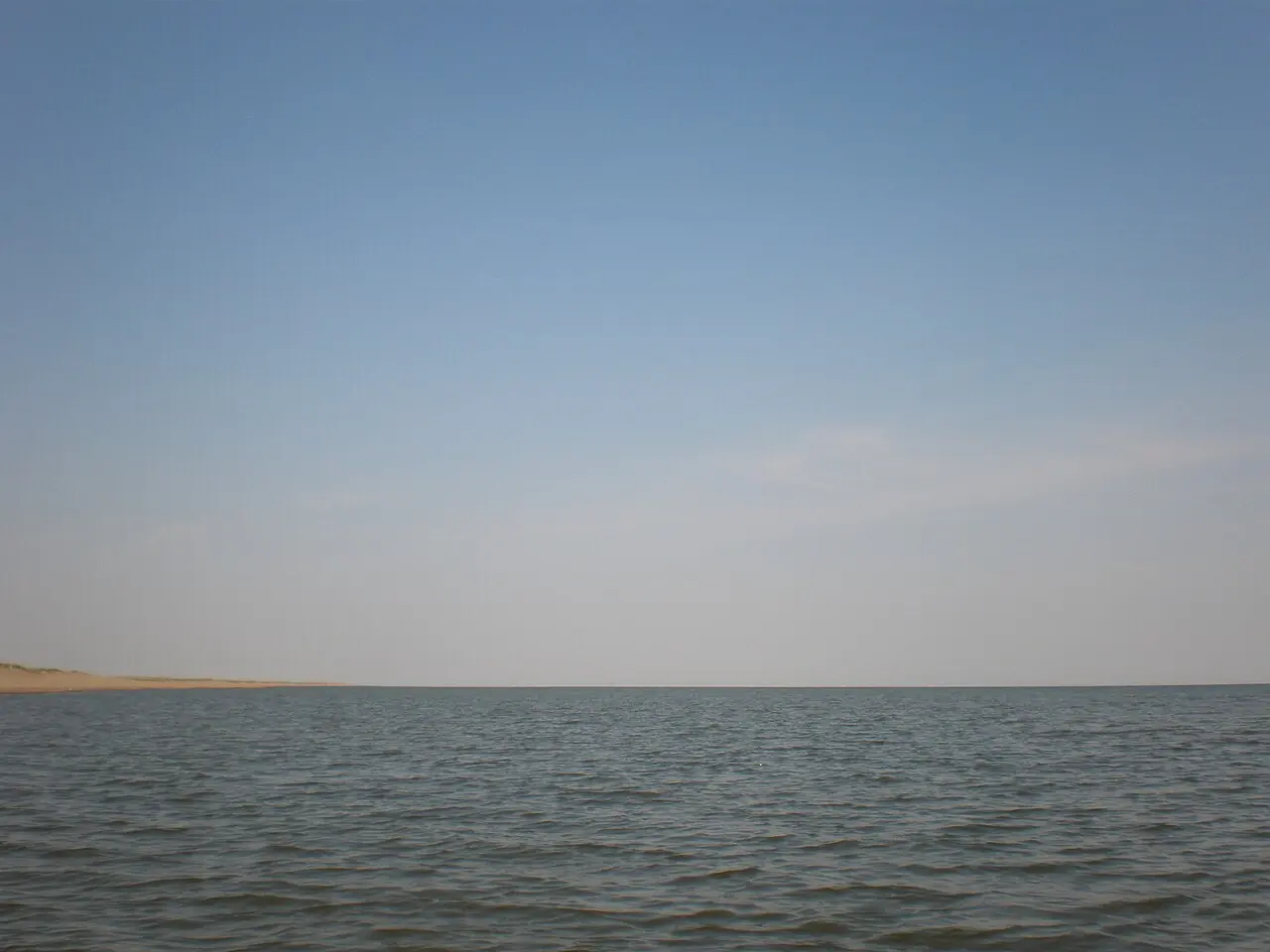
Buir Lake
A fish-rich lake on the Chinese border, near the Khalkhin Gol memorials.