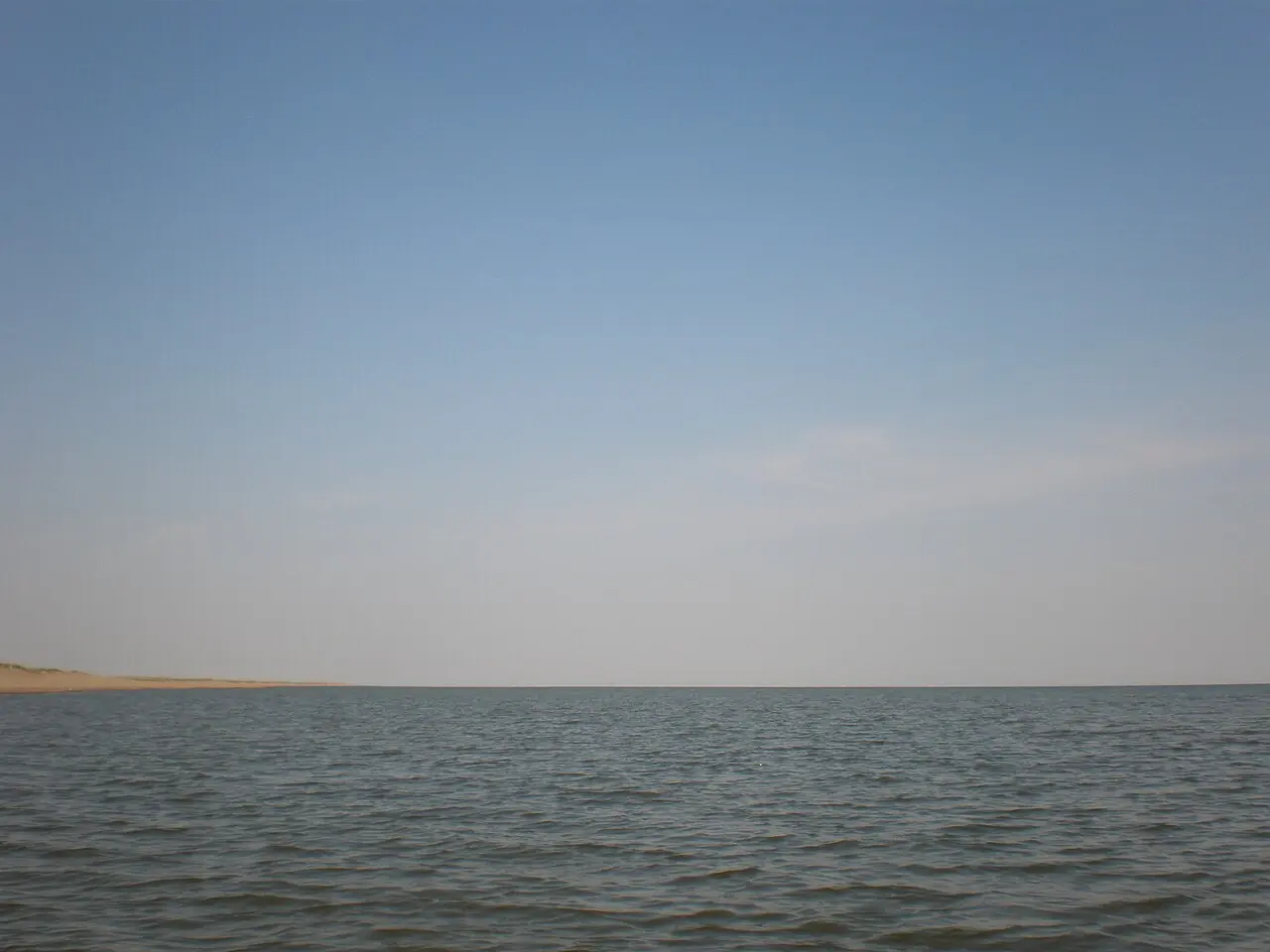
A fish-rich lake on the Chinese border, near the Khalkhin Gol memorials.
Buir Lake (Buir Nuur) is the largest lake in eastern Mongolia, a freshwater lake of roughly 610 km² on the border with China, whose northern tip lies in Inner Mongolia. It is about 40 km long and 20 km wide but fairly shallow, with an average depth usually given as 6 to 10 m. The Khalkh River enters through a marshy delta, and the Orshuun River drains the lake north into China's Hulun Nur. The Khalkhin Gol battlefields of 1939 lie just to the east.
Shore, delta and steppe
The Khalkh delta is a mix of wet grassland, reed beds and willow thickets, while behind the open shore are sand dunes with small lakes and wide grassland steppe. The lake and its wetlands have been a Ramsar Wetland of International Importance since 2004. Threatened birds recorded here include swan goose, white-naped crane, Oriental stork, relict gull and Pallas's fish eagle, and in migration the lake holds large numbers of great crested grebes, great cormorants, ruddy shelducks and northern lapwings. Surveys list more than 30 fish species, among them common carp, pike, Amur catfish, Amur ide and Mongolian culter.
Seasons and timing
Buir is frozen from about November to the end of April, so the open-water season runs from May to October. June to August is the warmest period, while May and September are best for migrating birds. Expect mosquitoes near the reeds in summer and strong wind on the open shore.
A border lake
Mongolian border guards patrol the lake, so keep your permit and passport with you, stay away from the boundary and ask before photographing posts or patrols. Check current fishing rules locally before you cast. Camp on firm ground above the shore, keep vehicles on existing tracks to protect the grassland, and take all rubbish away with you.
Photo: baterdene_0933 · CC BY 3.0 · Wikimedia Commons
History
The history of Buir Lake
The Battle of Buir Lake (1388)
In 1388 a Ming Chinese army under general Lan Yu surprised the camp of Uskhal Khan Tögüs Temür, ruler of the Northern Yuan, on the shores of Buir lake. The khan escaped but was killed soon afterwards, and the defeat broke the power of the Yuan imperial line in Mongolia for decades.
Khalkhin Gol (1939)
Just east of the lake, along the Khalkh river, Soviet and Mongolian forces under Georgy Zhukov fought Japan's Kwantung Army from May to September 1939. The Battle of Khalkhin Gol ended in a Japanese defeat and led to the Soviet-Japanese neutrality pact of 1941. Memorials and a museum stand in Khalkhgol soum, and the battlefield can still be visited.
Things to do at Buir Lake
4 activities · best season: Summer
History · Half day
Visit the Khalkhin Gol battlefield
Memorials and a museum in Khalkhgol soum tell the story of the 1939 battle between Soviet-Mongolian and Japanese forces.
Culture · 1 h
See the Ikh Burkhant carving
A large image of a Buddhist deity carved into a hillside near the Khalkh river, restored in the 1990s.
Fishing · Half day
Fish on Buir lake
Mongolia's largest lake in the east is known for its rich fishing.
Birdwatching · Half day
Birdwatch on the wetlands
The lake shore and the Khalkh river marshes attract water birds in spring and autumn.
When to go & how to get there
Weather by month
Getting there
Buir lake is near the Chinese border, about 300 km south-east of Choibalsan. You need a border-zone permit and a 4x4 with an experienced driver; take the bus (or a flight, when one is running) from Ulaanbaatar to Choibalsan first.
Where to stay
There are almost no tourist facilities. Visitors camp on the shore or stay in Khalkhgol soum's simple guesthouses.
Gallery
1 photos · tap to enlarge · sources credited on each photo
Where is Buir Lake?
from Ulaanbaatar from Choibalsan · a dotted end marks a stretch with no road
Dornod province · nearest town: Khalkhgol soum
Guides that mention Buir Lake
Eastern Mongolia
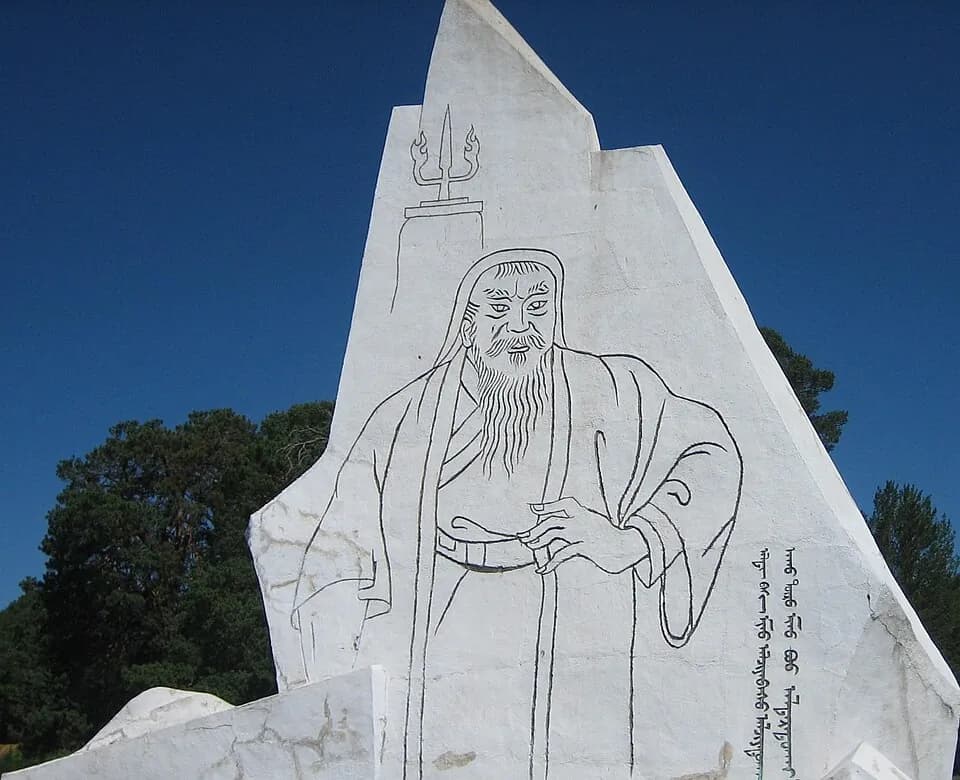
Deluun Boldog
The birthplace of Chinggis Khaan: Dadal soum in the Onon valley.
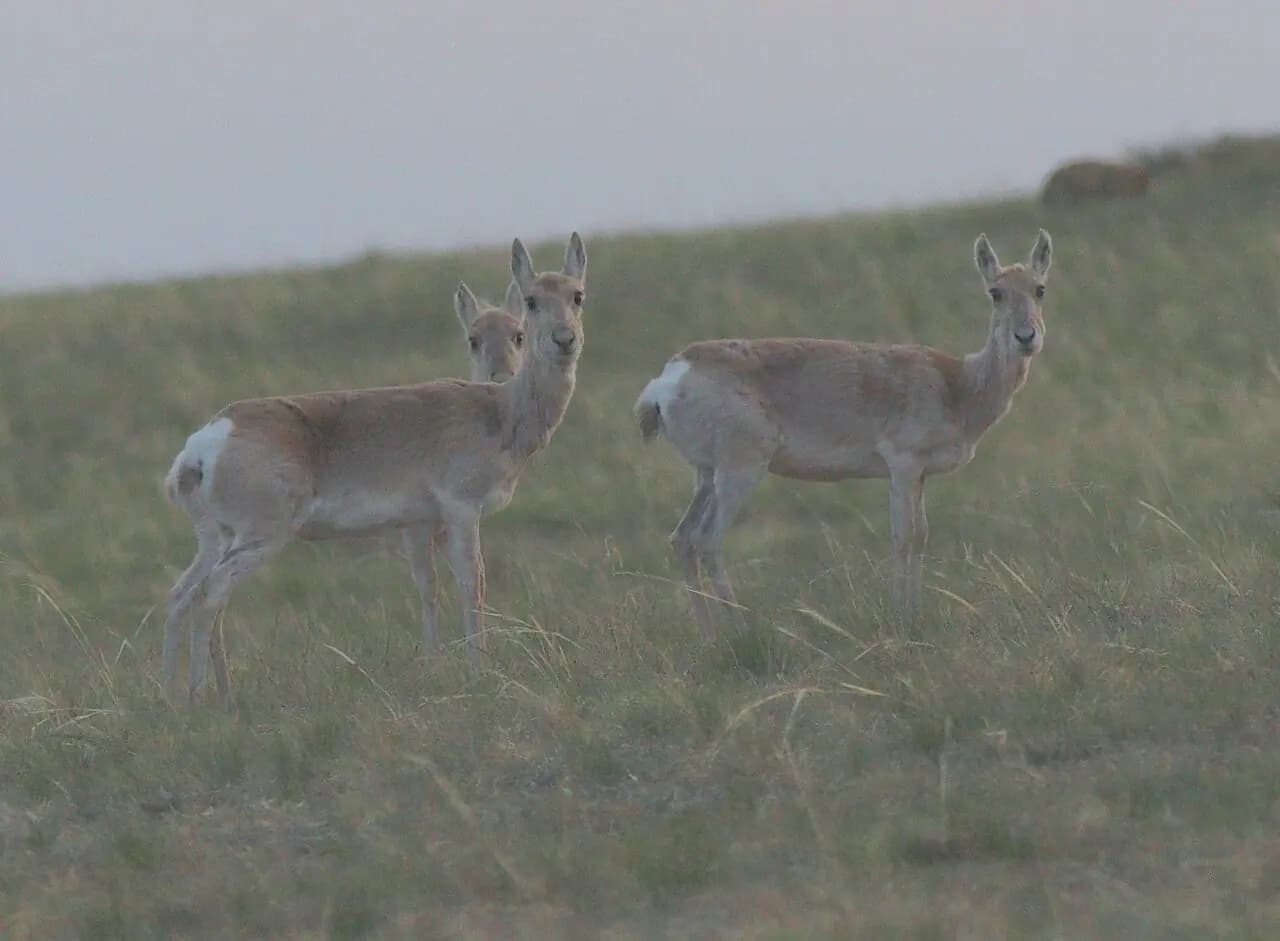
Menen Steppe
One of the largest untouched steppes on earth, home to gazelle herds.
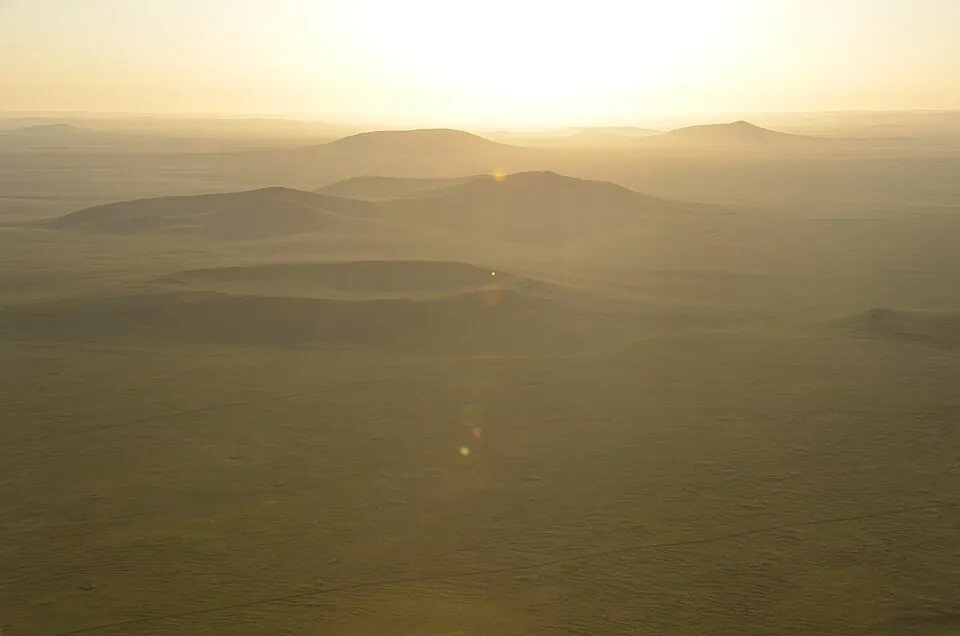
Shiliin Bogd & Dariganga
A sacred extinct volcano near the Chinese border, climbed at sunrise, amid the lakes and cones of Dariganga.