Camel Riding in Mongolia
Camel riding in Mongolia: where to ride Bactrian camels in the Gobi, how to mount, what treks involve, the camel festival and tips for a comfortable ride.
2 min read · Updated
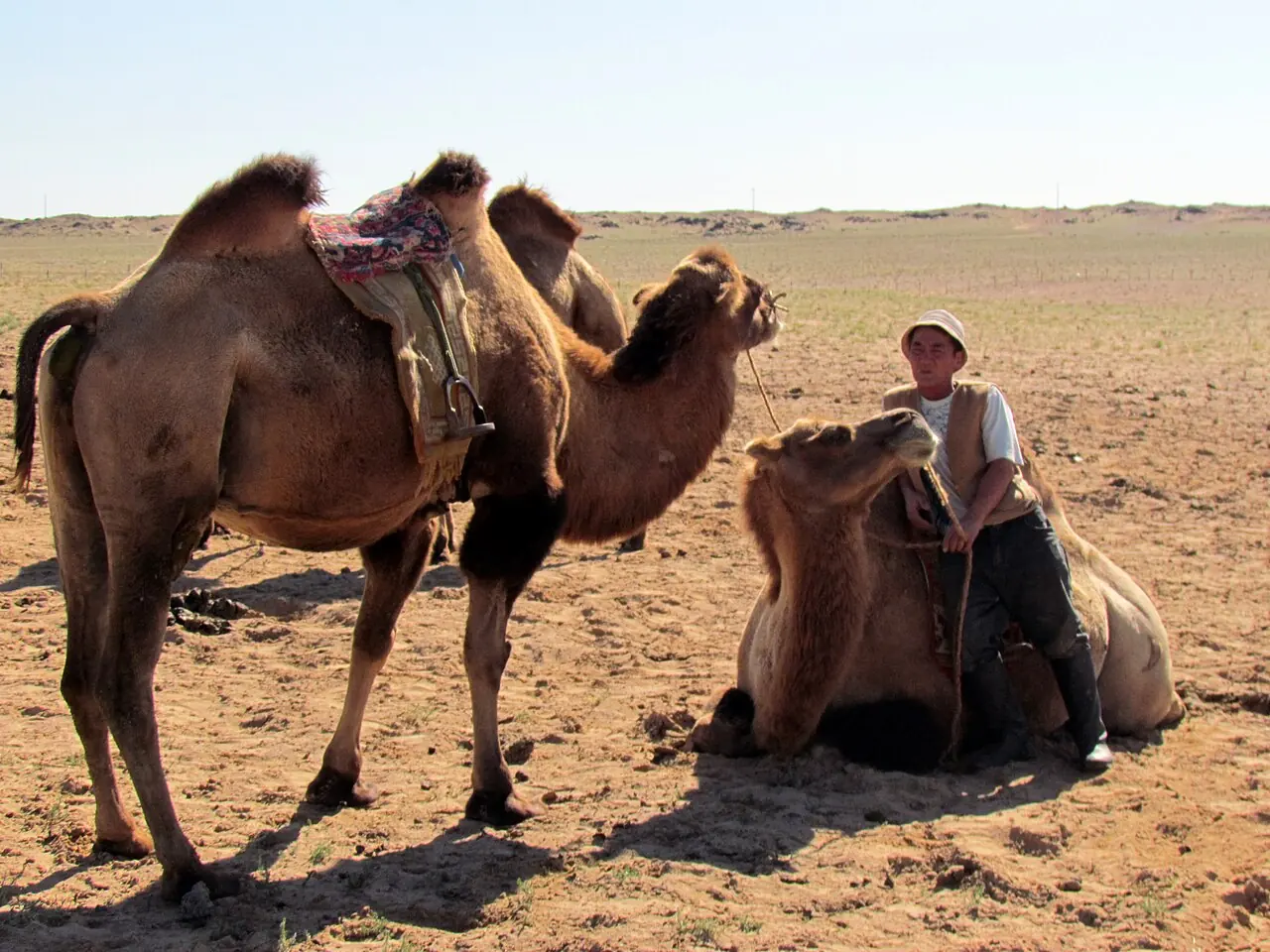
Photo: David Berkowitz from New York, NY, USA · CC BY 2.0 · Wikimedia Commons
Camel riding in Mongolia means riding a two-humped Bactrian camel, usually in the Gobi Desert with a herding family as your guide. Most visitors take a one- or two-hour ride near the sand dunes of Khongoryn Els, while a few join multi-day camel treks across the desert.
Bactrian camels in Mongolian life
Herders count the camel among the "five snouts" (tavan khoshuu mal), the five traditional livestock alongside horses, cattle, sheep and goats. Domestic Bactrian camels provide wool, milk, meat and transport, and they can go for long periods without water and survive bitter Gobi winters. Camel wool is made into warm socks, blankets and scarves sold across the country, and camel milk is drunk fresh or fermented. A small population of critically endangered wild Bactrian camels (khavtgai), a separate species, survives in the remote Great Gobi Strictly Protected Area, which is closed to casual visitors.
Where to ride a camel in Mongolia
- Khongoryn Els: the most popular place; herding families near the dunes offer rides, often timed for sunset light.
- South Gobi ger camps: camps across Ömnögovi and Dundgovi provinces can arrange rides on request, often combined with visits to Bayanzag or Yolyn Am.
- Elsen Tasarkhai (Mongol Els): a strip of dunes between Ulaanbaatar and Kharkhorin, convenient if you are only travelling on a central route.
How to ride a Bactrian camel
The camel kneels while you climb on and sit between the two humps, which make a natural, secure seat. Hold the front hump or saddle handle. When the camel stands up, it lifts its back legs first, which pitches you forward, so lean back; it then rises on its front legs. Lean back again as it kneels to let you off. A herder usually leads the camel with a rope attached to a wooden nose peg, and the pace is a slow, rolling walk. Camels may grumble or spit when annoyed, so do not stand directly in front of their heads.
Camel festivals and longer treks
The Thousand Camel Festival, held in Ömnögovi province in early February (it moved from early March in 2023), features camel races and camel polo and celebrates the animal's place in Gobi life; dates are set locally, so confirm them with the organisers or your tour operator. Multi-day treks with support vehicles cross dune fields and gravel plains, camping or staying with herders. They need reasonable fitness and good sun protection.
Practical tips
- Wear long trousers to prevent chafing, and bring sunglasses, a hat and a scarf against wind and sand.
- In summer, ride in the early morning or evening to avoid the midday heat.
- Agree the price and duration with the herder or operator in advance, since prices change from season to season.
- Do not approach or feed unfamiliar camels, and follow the herder's instructions at all times.
Places in this guide
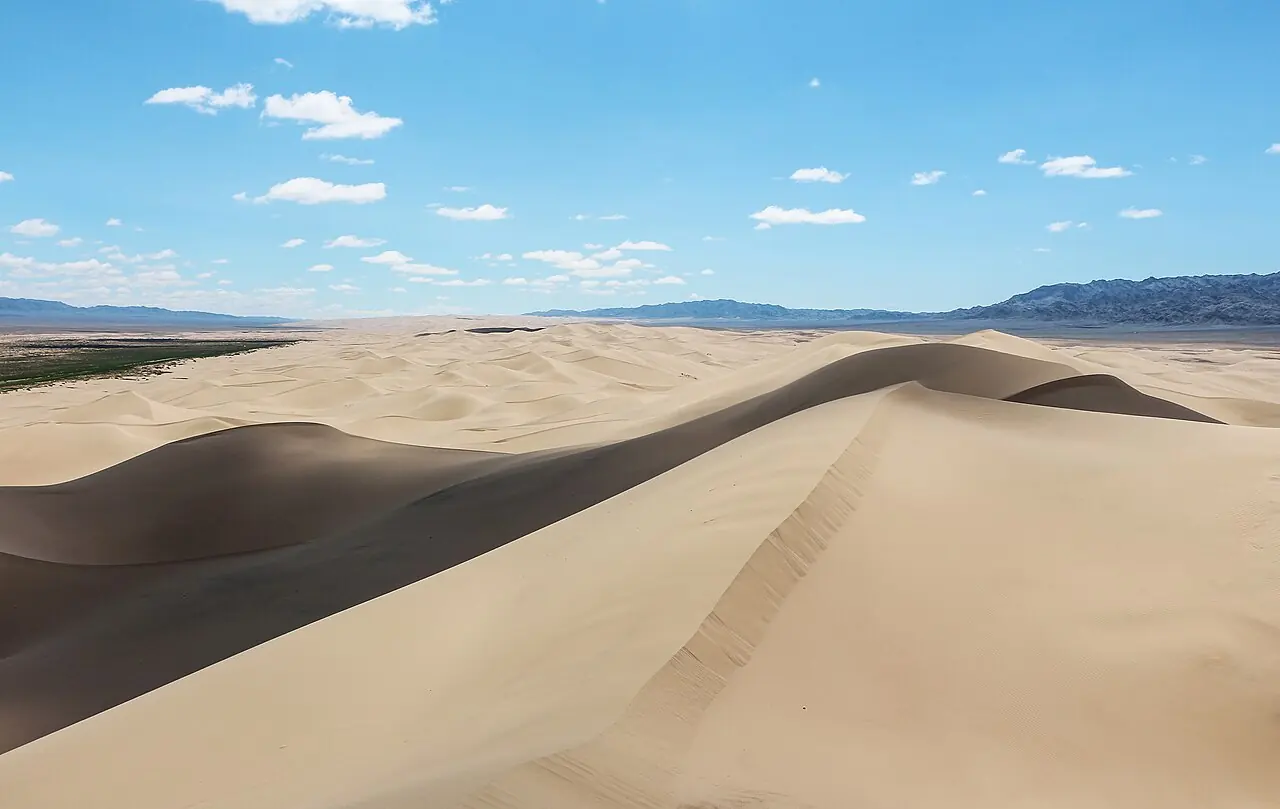
Khongoryn Els
The 'singing sands': one of Mongolia's largest dune fields, with ridges said to reach 300 m.
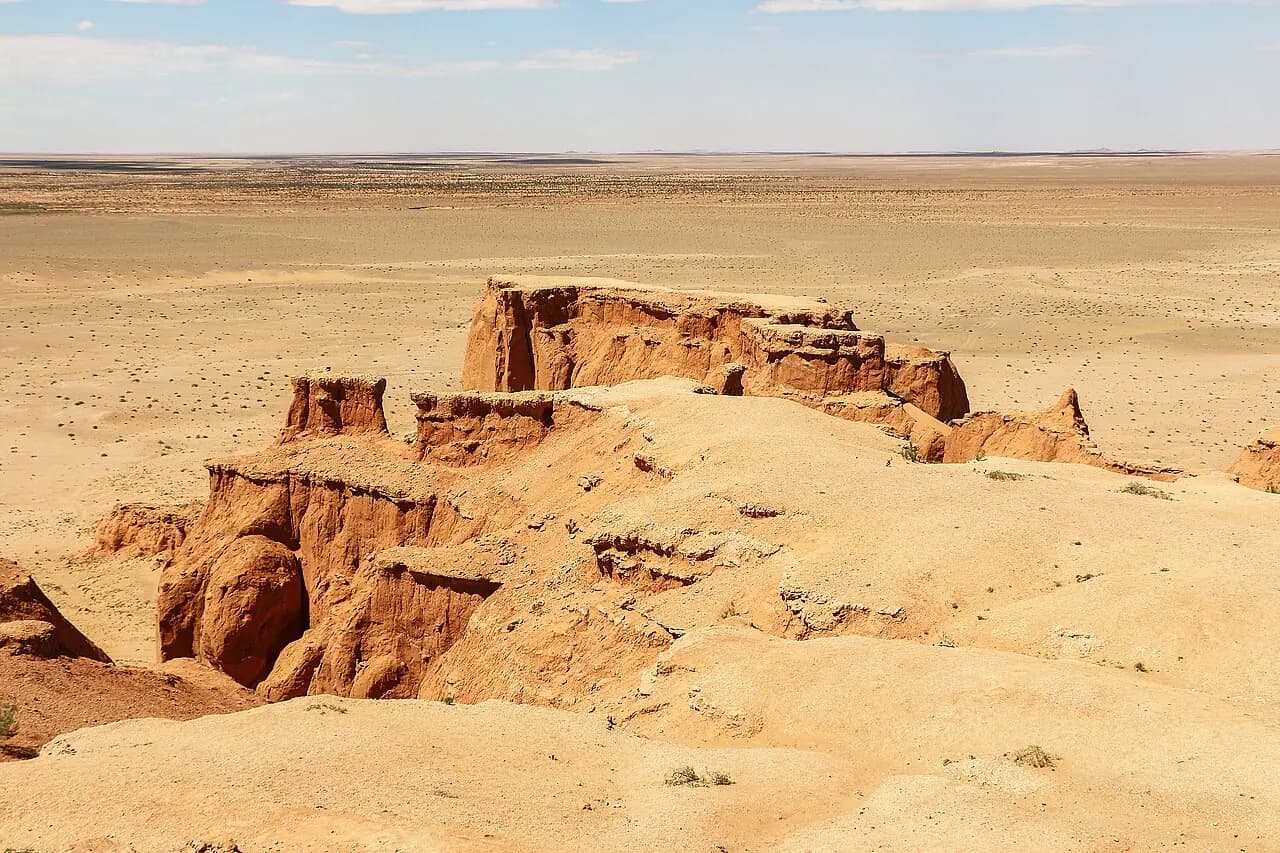
Bayanzag (Flaming Cliffs)
The red cliffs where dinosaur eggs were first discovered.
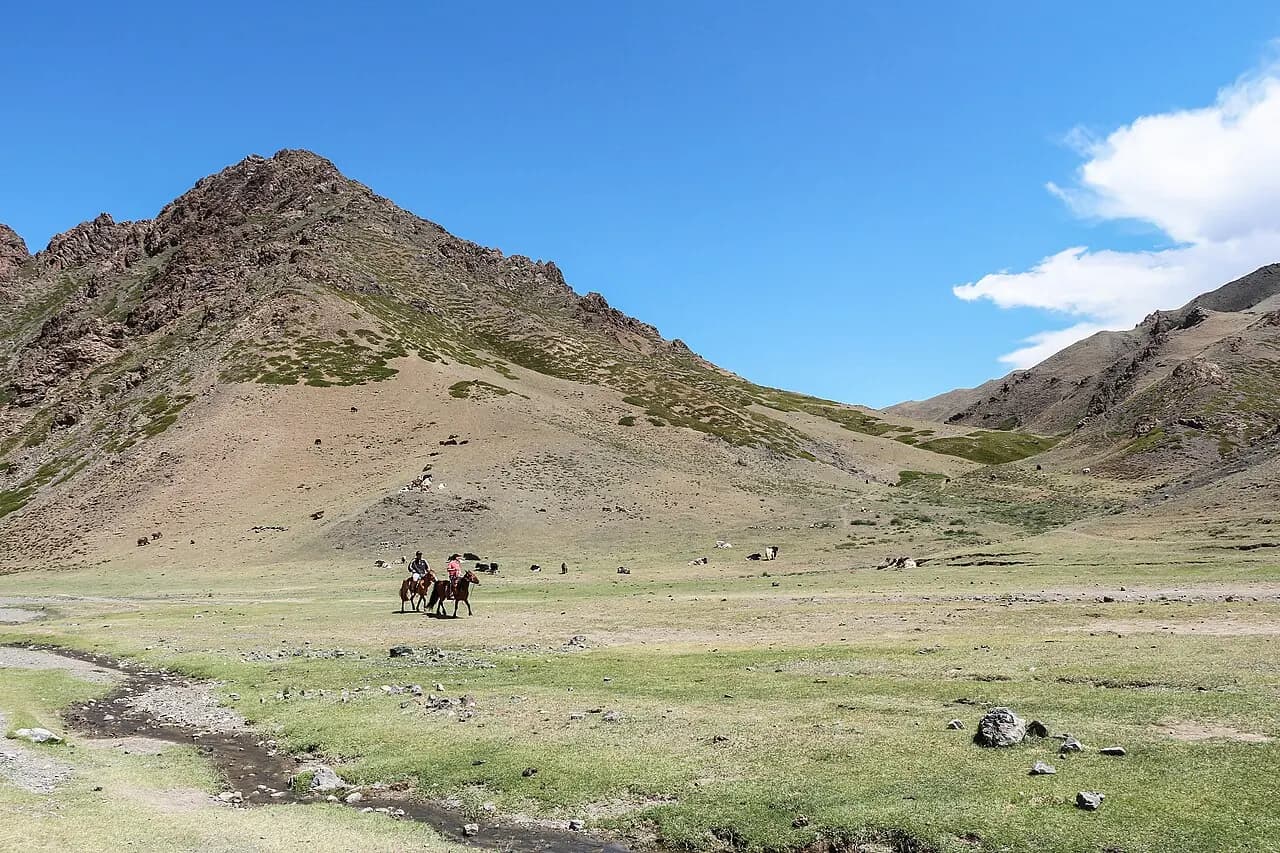
Yolyn Am
An ice-filled gorge in the heart of the Gobi; the ice survives into midsummer.
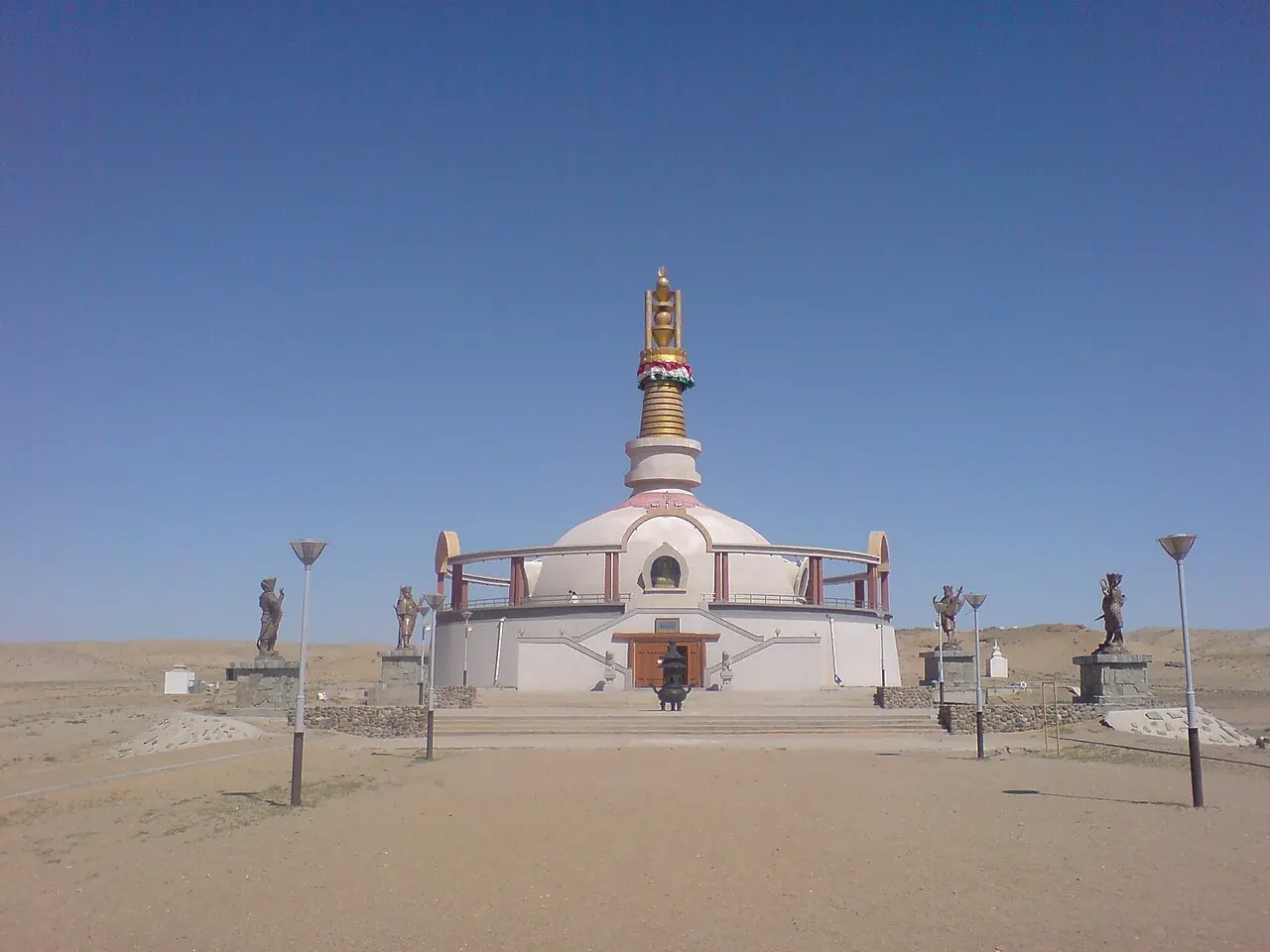
Khögnö Khan & Elsen Tasarkhai
Gobi, steppe and mountain in one place; the closest dunes to the capital.
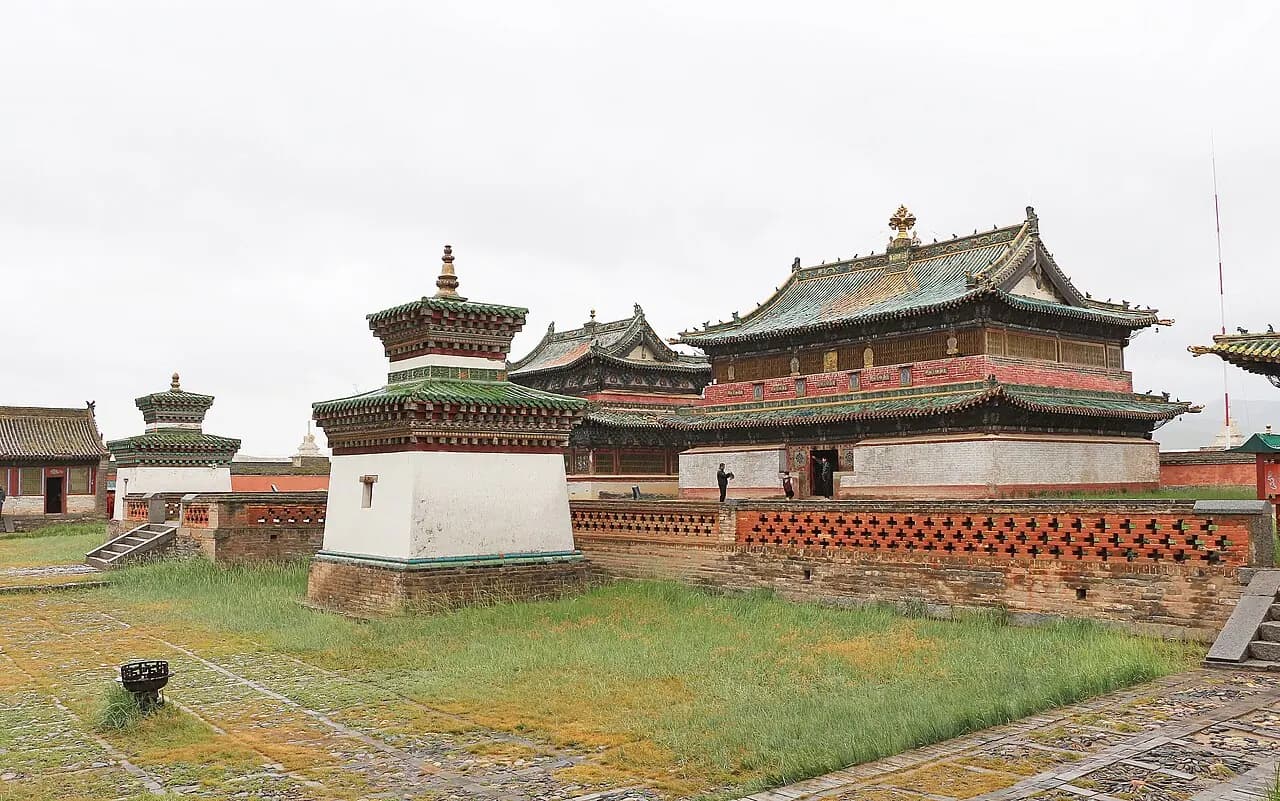
Kharkhorin & Erdene Zuu
Mongolia's oldest surviving Buddhist monastery, built on the ruins of the imperial capital Karakorum.
Frequently asked questions
Where is the best place to ride a camel in Mongolia?
Khongoryn Els in the South Gobi is the most popular, with herding families offering rides beside the dunes. Elsen Tasarkhai is a convenient option on central routes.
Is riding a Bactrian camel comfortable?
Generally yes: sitting between the two humps feels secure and the pace is slow. Long trousers help prevent chafing on longer rides.
When is the Thousand Camel Festival?
It is now usually held in early February in Ömnögovi province; until 2022 it took place in early March. Dates are set locally each year, so confirm them before booking.