15 Facts About the Gobi Desert
15 facts about the Gobi Desert: its size, cold climate, dunes, dinosaur fossils, Gobi bears, wild camels and mineral wealth, plus tips for visiting.
3 min read · Updated
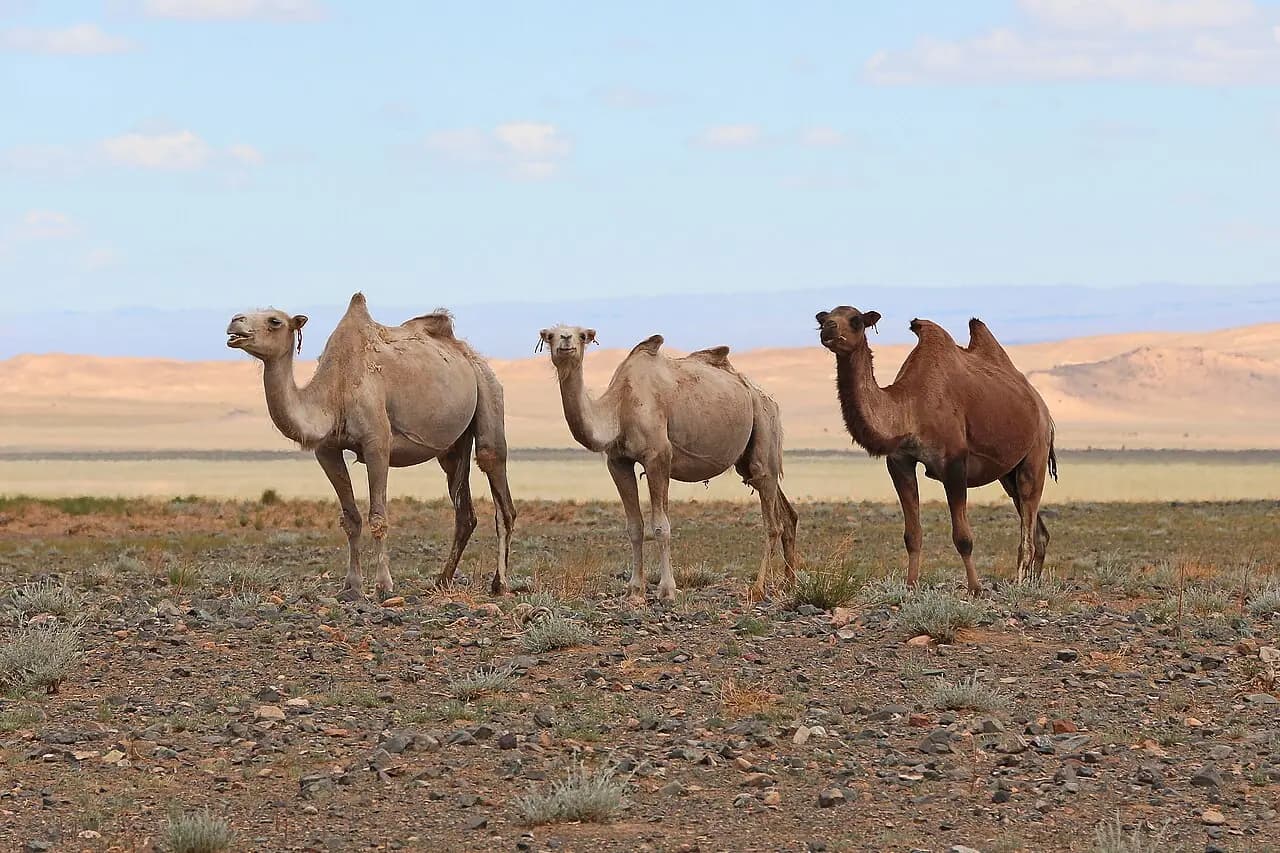
Photo: Bernard Gagnon · CC0 · Wikimedia Commons
The Gobi Desert is a vast cold desert and semi-desert covering southern Mongolia and northern China, famous for dinosaur fossils, singing sand dunes and rare wildlife. Here are 15 facts that help explain what makes it so distinctive, and what to expect if you go.
1. It is one of Asia's largest deserts
The Gobi covers roughly 1.3 million km², stretching across southern Mongolia and northern China. It is the second-largest desert in Asia after the Arabian Desert, and is usually ranked about sixth in the world.
2. Most of it is not sand
Only a small share of the Gobi, often estimated at around 5%, is sand dunes. Most is gravel plain, rocky ground, low mountains and dry steppe with sparse grass and shrubs.
3. It is a cold desert
The Gobi is one of the world's great cold deserts. Winter temperatures can fall below -30 °C, while summer days in low areas can approach 40 °C. Even in summer, nights are often cool.
4. It lies in a rain shadow
High mountains and plateaus to the south and west, including the Tibetan Plateau, block moist air. Much of the Mongolian Gobi receives only about 100–200 mm of precipitation a year.
5. "Gobi" is a Mongolian word
In Mongolian, govi describes a type of land: dry, gravelly semi-desert with thin vegetation that can still support herds. Mongolians distinguish it from tsöl, true barren desert.
6. It is one of the world's richest dinosaur sites
In the 1920s, expeditions from the American Museum of Natural History led by Roy Chapman Andrews found the first dinosaur egg nests recognised by science at the Flaming Cliffs (Bayanzag). Fossils of Velociraptor, Protoceratops and many other species have since been found across the Gobi.
7. The "Fighting Dinosaurs" came from here
In 1971 a Polish–Mongolian expedition discovered a Velociraptor and a Protoceratops locked in combat, preserved together. The fossil is one of Mongolia's national treasures.
8. Its dunes sing
Khongoryn Els, the best-known dune field in Mongolia, stretches for about 100 km and rises to around 300 m at its highest point. In wind, the sand can produce a deep humming sound, which is why the dunes are called Duut Mankhan, the "singing dunes".
9. There is ice in the desert
In the narrow Yolyn Am gorge in the Gurvan Saikhan mountains, a thick ice field forms in winter and can persist into early summer, although in recent years it often melts earlier.
10. Wild Bactrian camels live here
The wild Bactrian camel is a separate species from the domestic camel and is critically endangered, with only around 1,000 animals estimated to survive in Mongolia and China.
11. It is home to one of the rarest bears
The Gobi bear, or mazaalai, lives only in the Mongolian Gobi, mainly in the Great Gobi A Strictly Protected Area. Only a few dozen are thought to remain.
12. Herders raise domestic camels
Mongolia has hundreds of thousands of domestic Bactrian camels, most in the Gobi provinces. They provide wool, milk, meat and transport, and are celebrated at camel festivals.
13. It holds huge protected areas
The Great Gobi Strictly Protected Area is one of the largest protected areas in Asia and a UNESCO biosphere reserve, sheltering wild camels, Gobi bears, wild asses and argali.
14. Saxaul holds the desert together
Saxaul (zag) is a tough shrub or small tree that grows where little else can. Its roots help stabilise sand, and its dense wood was long used by herders for fuel.
15. It is rich in minerals
The South Gobi contains some of the world's largest mineral deposits, including the Oyu Tolgoi copper-gold mine and the Tavan Tolgoi coal field, which are central to Mongolia's economy.
Practical tips for visiting the Gobi
- Plan at least four to five days from Ulaanbaatar, or fly to Dalanzadgad to save driving time.
- Pack for heat by day and cold at night.
- Never take fossils or rocks from dinosaur sites; it is illegal.
- Keep your distance from wildlife and follow park rangers' instructions.
Places in this guide
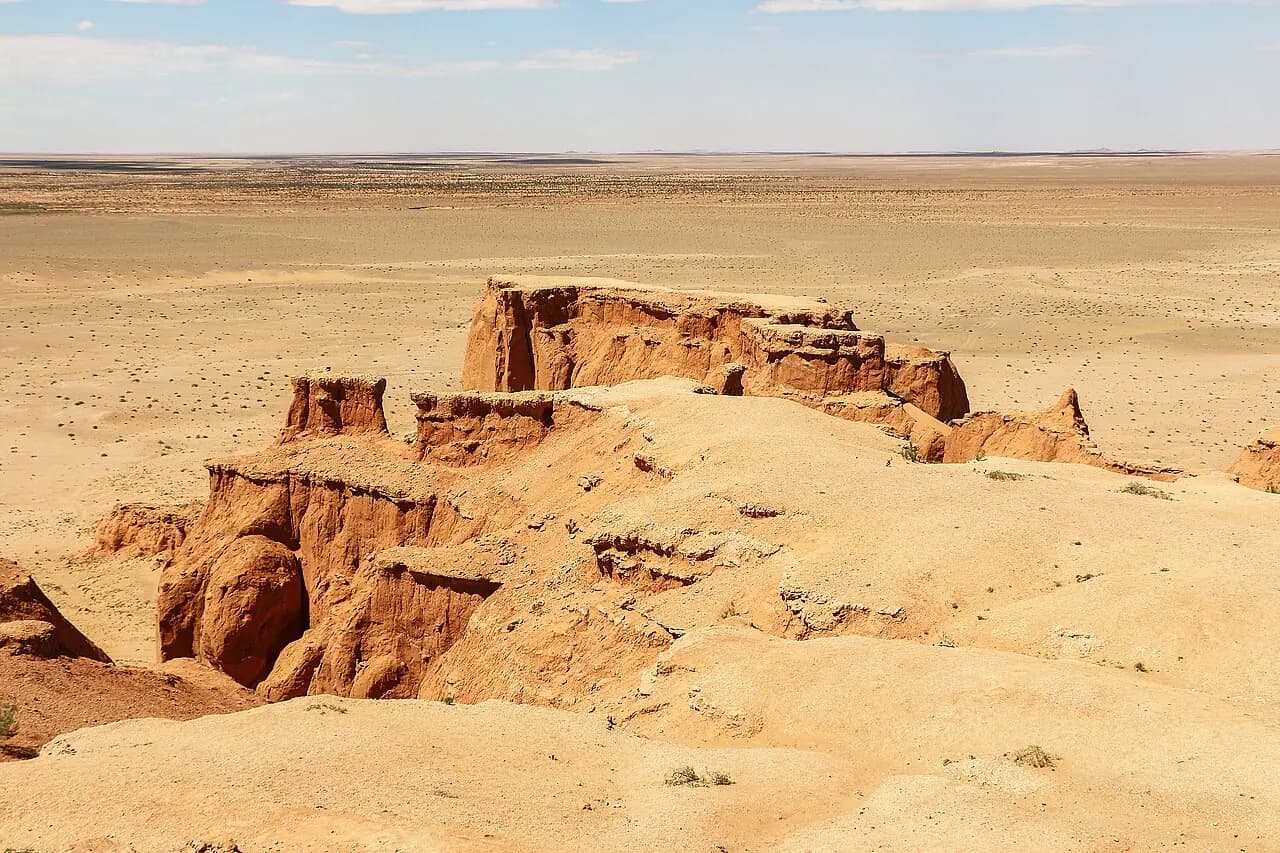
Bayanzag (Flaming Cliffs)
The red cliffs where dinosaur eggs were first discovered.
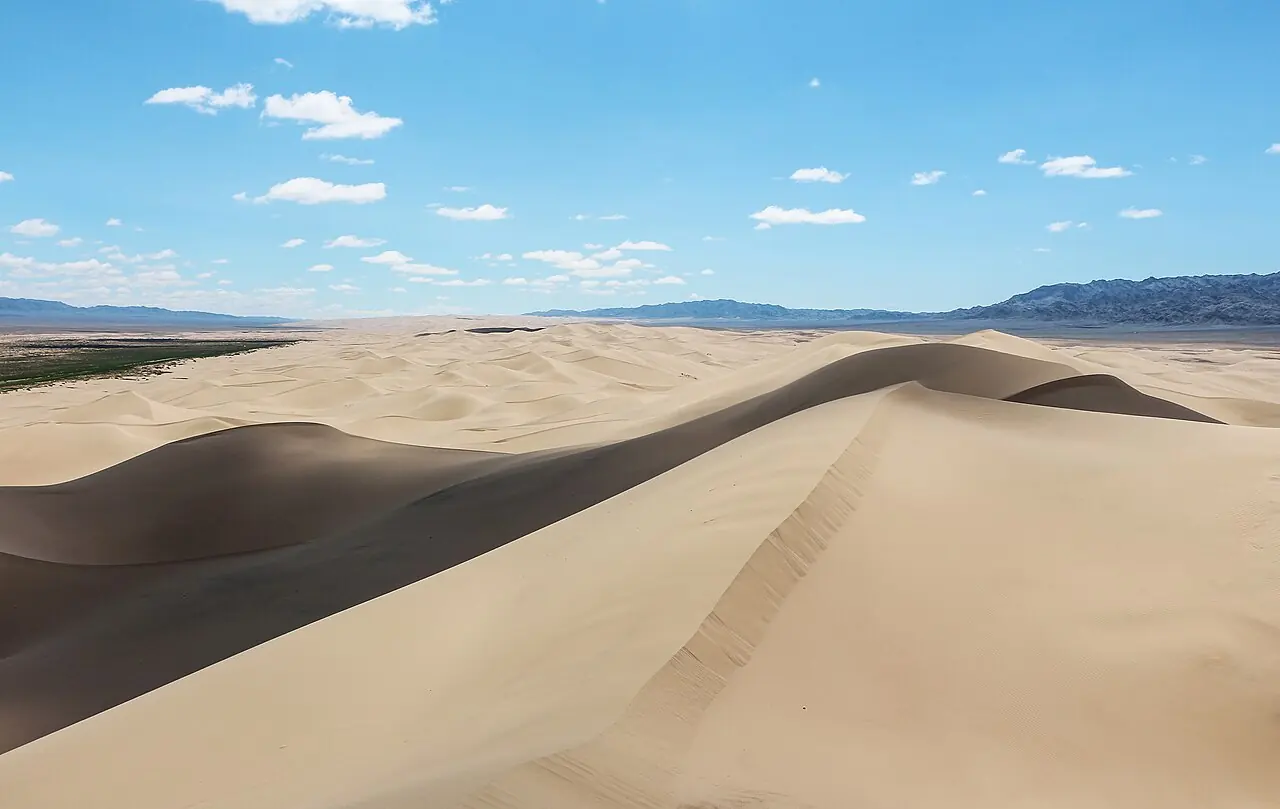
Khongoryn Els
The 'singing sands': one of Mongolia's largest dune fields, with ridges said to reach 300 m.
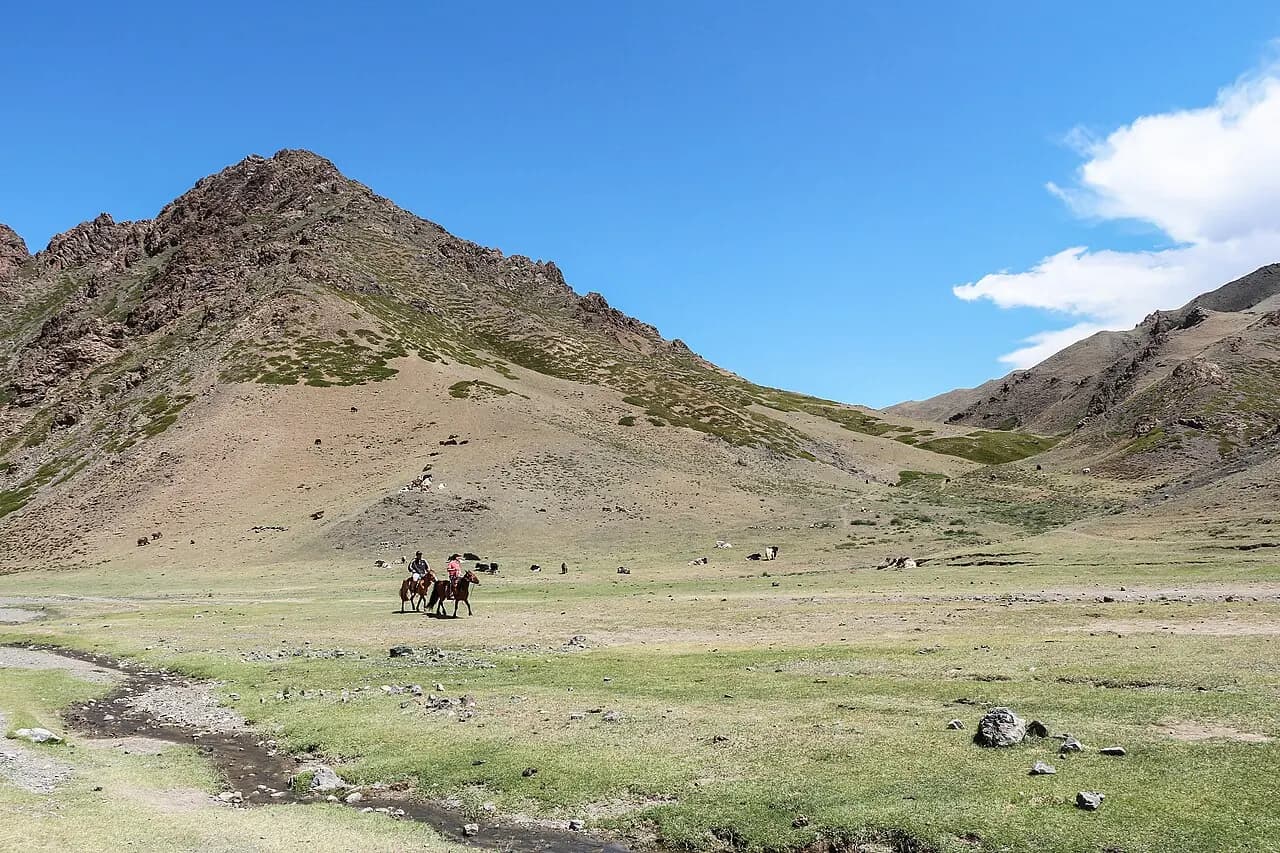
Yolyn Am
An ice-filled gorge in the heart of the Gobi; the ice survives into midsummer.
Frequently asked questions
Is the Gobi Desert mostly sand?
No. Only around 5% is sand dunes; most of the Gobi is gravel plains, rocky hills and dry steppe.
Where were the first dinosaur eggs found?
At the Flaming Cliffs (Bayanzag) in the Mongolian Gobi, during American Museum of Natural History expeditions in the 1920s.
Can you see Gobi bears on a tour?
It is extremely unlikely. Only a few dozen survive in a remote strictly protected area with very limited access.