Mongolia Capital: Ulaanbaatar
Ulaanbaatar, the capital of Mongolia: its history, top sights, getting around, winter air quality, easy day trips and practical tips for visitors.
3 min read · Updated
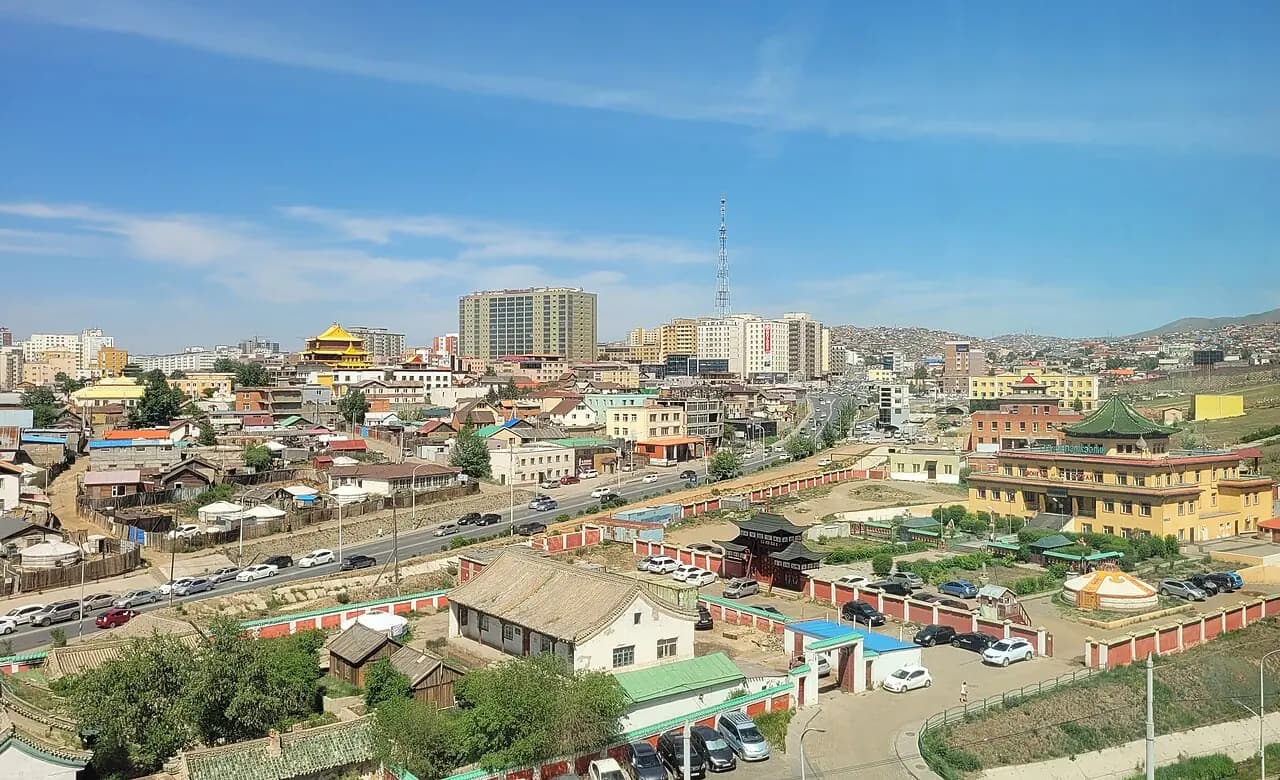
Photo: Bernard Gagnon · CC0 · Wikimedia Commons
Ulaanbaatar (also spelled Ulan Bator) is the capital and by far the largest city of Mongolia, home to roughly half of the country's population of about 3.5 million. It sits at about 1,350 metres in the valley of the Tuul River, ringed by mountains, and it is the arrival point for almost every international visitor.
From mobile monastery to modern capital
The city began in 1639 as Örgöö, a travelling monastery-camp founded for Zanabazar, the first Bogd Gegeen (Jebtsundamba Khutugtu) and head of Mongolian Buddhism. It moved many times before settling at its present site in 1778. For centuries it was known as Ikh Khüree ("Great Camp") or simply Khüree, while foreigners called it Urga. After the 1921 revolution it was renamed Ulaanbaatar, "Red Hero", in 1924. Soviet-era planning gave the centre its wide avenues, apartment blocks and theatres; since the 1990s, glass towers, shopping centres and sprawling ger districts have been added.
Top sights in Ulaanbaatar
- Sükhbaatar Square — the central square, with the Government Palace and a large seated statue of Chinggis Khaan on its north side.
- Gandan Monastery — the country's most important active monastery, home to a standing statue of Migjid Janraisig (Avalokiteshvara) about 26 metres tall.
- Chinggis Khaan National Museum — a large museum opened in 2022, covering the Mongol Empire and the states that came before it.
- National Museum of Mongolia — a clear overview of the country's story from prehistory to the democratic era.
- Choijin Lama Temple Museum and Bogd Khan Palace Museum — temple complexes that survived the purges of the 1930s.
- Zaisan Memorial — a Soviet-era hilltop monument with a panoramic view over the city.
Getting around the city
The compact centre around Sükhbaatar Square and Peace Avenue (Enkh Taivny Örgön Chölöö) is walkable, and most hotels, restaurants and museums lie within a few kilometres of it. Traffic is notoriously heavy at rush hour, so allow extra time for any cross-town trip. City buses use a rechargeable smart card, and ride-hailing apps and licensed taxis are widely used; services change, so check current options locally.
Chinggis Khaan International Airport, which opened in 2021, lies roughly 50 km south of the city; the drive usually takes around an hour, depending on traffic. The main railway station, on the Trans-Mongolian line linking Russia and China, is west of the centre.
Seasons and air quality
Summer (June–August) is mild and the city is lively, especially around Naadam in July. Winters are long and very cold. From roughly November to March, coal and wood burned for heating in the ger districts can cause severe smog, particularly in the mornings and evenings. Travellers with asthma or heart conditions should check air-quality readings and consider a well-fitted mask.
Easy trips from the capital
- Gorkhi-Terelj National Park — about 1–1.5 hours by road, for granite rock formations, hiking, horse riding and ger camps.
- Chinggis Khaan Statue Complex at Tsonjin Boldog — a giant stainless-steel equestrian statue east of the city.
- Hustai National Park — west of the city, where reintroduced Przewalski's horses roam.
- Bogd Khan Mountain — a protected area on the city's southern edge, good for day hikes.
Practical tips
- Opening hours of museums and monasteries change, and many museums close one or two days a week; check before you go.
- Keep valuables secure in crowded places such as Narantuul market and on buses, where pickpocketing is a known problem.
- Ulaanbaatar has plenty of ATMs and card payment is widespread; withdraw enough cash before heading to the countryside.
- Cross roads with care: drivers do not always give way at pedestrian crossings.
Places in this guide
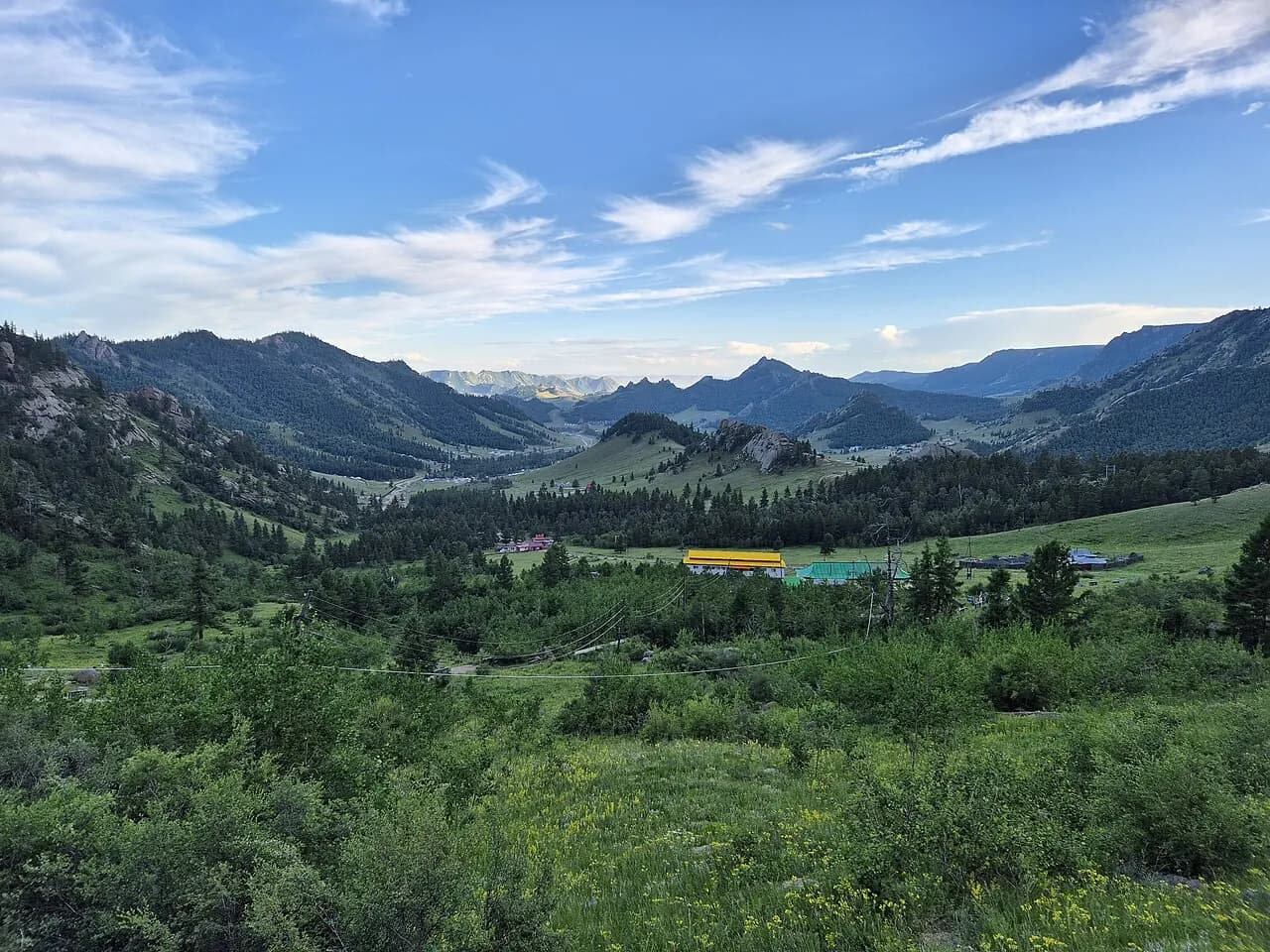
Gorkhi-Terelj
Rocks, forests and ger camps 1.5 hours from the capital.
Frequently asked questions
What is the capital of Mongolia?
The capital of Mongolia is Ulaanbaatar (Ulan Bator), home to roughly half of the country's population.
How far is the airport from Ulaanbaatar?
Chinggis Khaan International Airport is roughly 50 km south of the city, and the drive usually takes around an hour depending on traffic.
When is the best time to visit Ulaanbaatar?
June to September is the most comfortable period, with mild weather and Naadam in July. Winters are very cold and often smoggy.