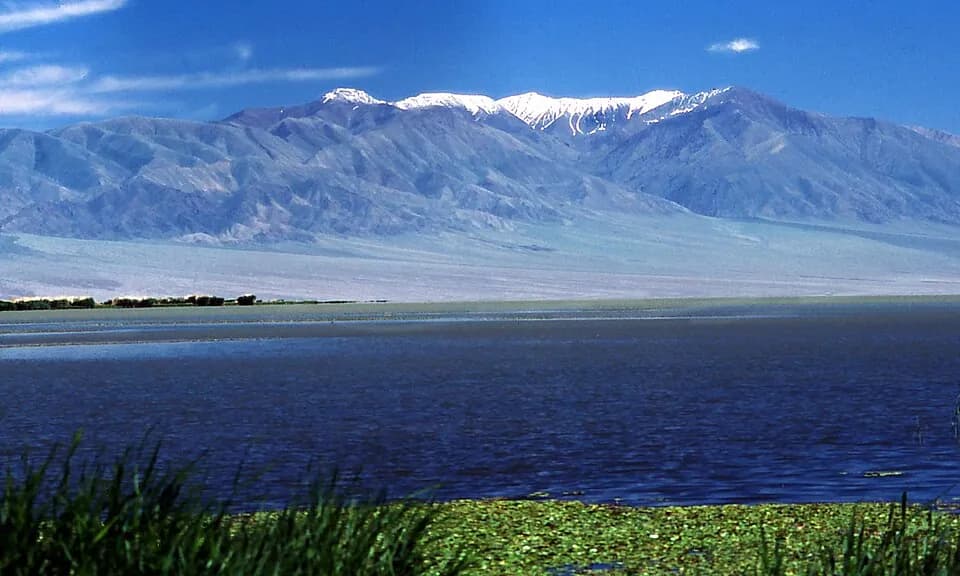
A vast, shallow freshwater lake and reed-fringed delta east of Khovd, protected for its migratory birds.
Khar Us Nuur is a vast, shallow freshwater lake about 40 km east of Khovd city and the centre of a national park, created in 1997, that also protects Khar Nuur and the saline Dörgön Nuur. Its open water covers about 1,580 km² at roughly 1,157 m and stretches some 72 km, yet it averages only about 2 m deep and is nowhere deeper than about 4.5 m. In its northern part lies Agbash, an island of 274 km².
A lake basin in the desert steppe
The park lies in the Great Lakes Basin, surrounded by semi-arid desert steppe, where only about 120 mm of rain falls in a year. The Khovd River and other rivers from the Altai feed the lakes, which formed a single larger lake about 5,000 years ago. Water flows from Khar Us into Khar Nuur, and a channel links Khar Nuur with Dörgön Nuur. All three lakes freeze from November to April.
Reeds and birds
The Khovd River enters through a wide delta of channels and marshes, mostly covered in common reed. More than 200 bird species have been recorded in the park, including swan goose, white-headed duck and Dalmatian pelican, which once bred here and now passes through on migration. The lakes also hold three endemic fish species, among them the narrow-headed Altai osman. Muskrats, introduced in the 1960s for their fur, have spread through the marshes and now put pressure on the reed beds.
Planning a visit
Migration in May and from late August to September is the best time for birds. Allow two or three days to reach the delta and the other lakes. Respect closed zones in the nesting season, keep boats and drones away from bird colonies, and never light fires near the reeds.
Photo: B Batsukh · Public domain · Wikimedia Commons
Things to do at Khar Us Nuur National Park
4 activities · best season: Spring, Summer, Autumn
Birdwatching · half day
Birdwatch in the Khovd River delta
The reed beds and channels of the delta are the best birding area, but they are marshy and hard to reach. Go with a park ranger or a local guide who knows the way.
Nature · 1 h
Stop at the southern shore
The easiest view of the lake is from the main Khovd–Altai road at its southern end, where small reed islands also attract birds.
Road trip · full day
Tour the three lakes
With a 4x4, continue to Khar Nuur and the salt lake of Dörgön Nuur, which has sand dunes and desert to its east.
Camping · overnight
Camp by the lake
Camping is allowed in most of the park, though the most sensitive areas are off limits. Bring strong mosquito repellent in summer.
When to go & how to get there
Weather by month
Getting there
Fly from Ulaanbaatar to Khovd, or travel overland (more than 24 hours by bus). The lake lies about 40 km east of Khovd city and is reached on the paved Khovd–Altai road; the delta and the other shores need a 4x4. Pay the park fee and ask about current access at the park office in Khovd.
Where to stay
Most visitors stay in Khovd city and visit on a day trip, or camp by the lake. Facilities in the park are limited, so ask at the park office in Khovd whether any ger stays are currently available. May and late August are the best times for birds; mosquitoes can be very heavy in summer.
Gallery
3 photos · tap to enlarge · sources credited on each photo
Where is Khar Us Nuur National Park?
from Ulaanbaatar from Khovd · a dotted end marks a stretch with no road
Khovd province · nearest town: Khovd
Western Mongolia
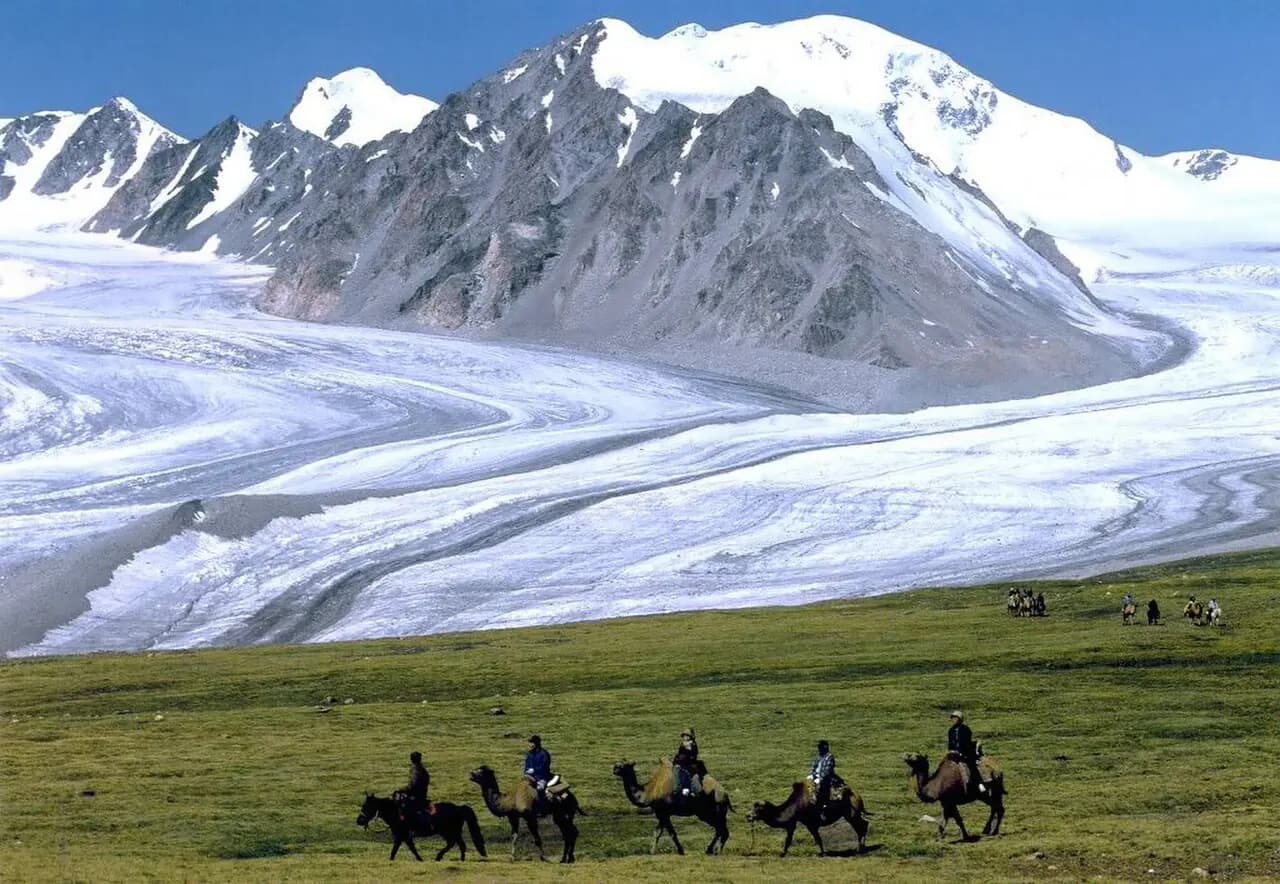
Altai Tavan Bogd
Mongolia's highest peak Khüiten (4,374 m) and the Potanin glacier.
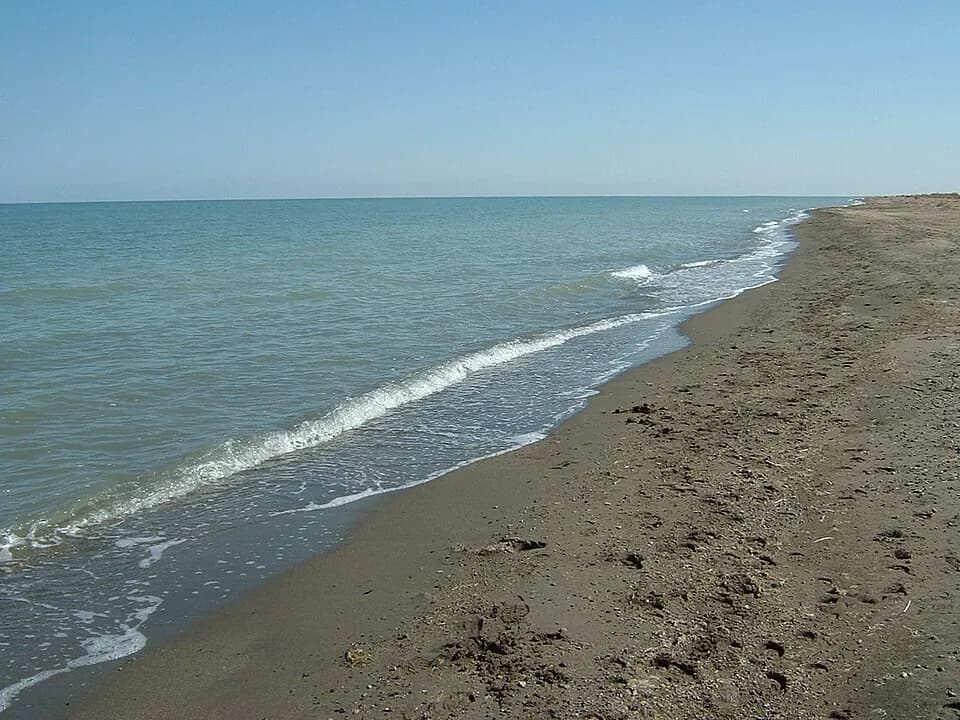
Uvs Lake
Mongolia's largest lake, a UNESCO biosphere reserve.
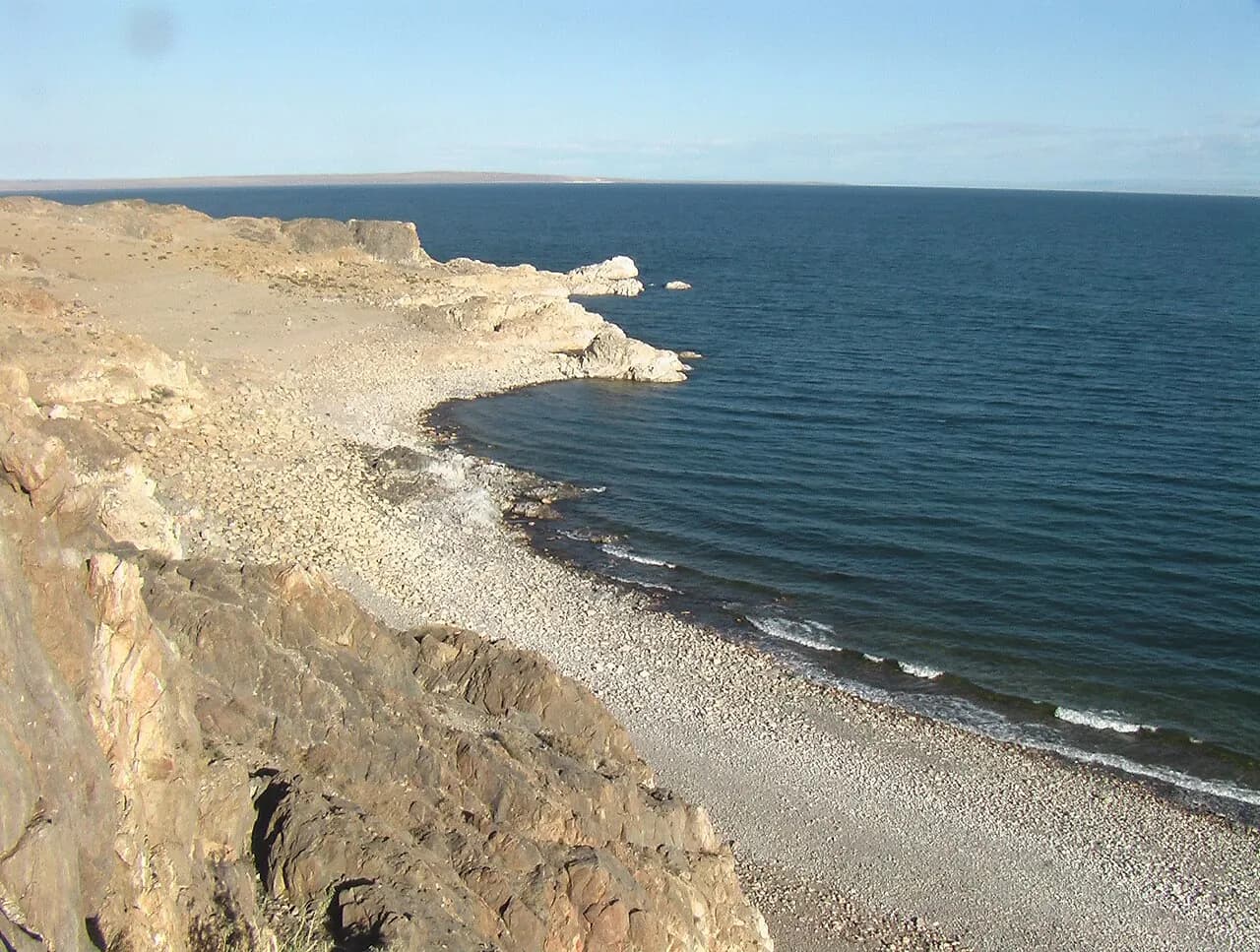
Khyargas Lake & Khetsüü Khad
A sea-like lake in the desert, with a cliff colony of cormorants.