Is It Safe to Travel to Mongolia?
Is Mongolia safe to visit? Yes, mostly. Advice on petty theft in Ulaanbaatar, road safety, remote travel, health risks, solo travel and emergency numbers.
3 min read · Updated
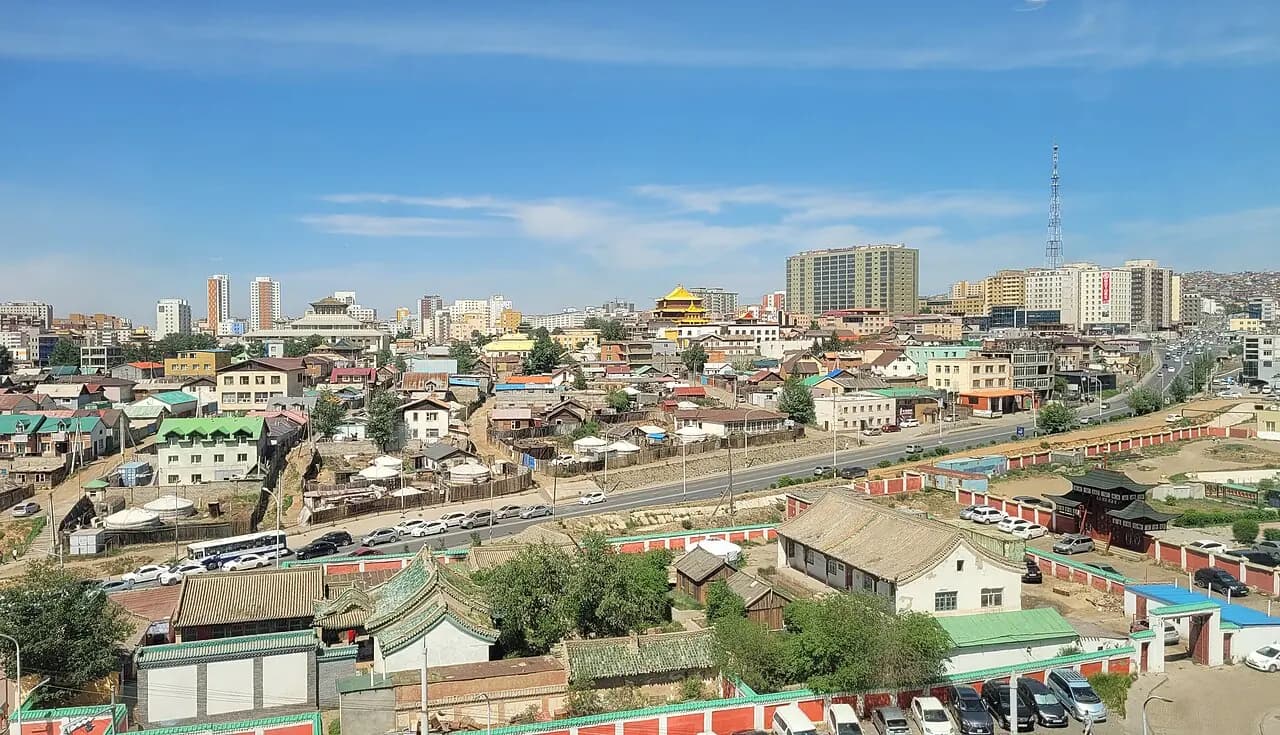
Photo: Bernard Gagnon · CC0 · Wikimedia Commons
Yes — Mongolia is generally a safe country to travel in, with low levels of violent crime against tourists and friendly, hospitable people. The main risks are petty theft in Ulaanbaatar, alcohol-related harassment at night, road accidents, and the challenges of remote travel: extreme weather, long distances and limited medical care. Sensible precautions and a reliable tour operator deal with most of them.
Crime and personal safety in Ulaanbaatar
Pickpocketing and bag slashing are the crimes most likely to affect visitors, especially in crowded places such as the Narantuul market, the area around the State Department Store, Sükhbaatar Square, city buses and festival crowds. Keep valuables in a zipped inner pocket or cross-body bag, carry a copy of your passport rather than the original when you can, and split your cash. At night, avoid walking alone in poorly lit areas, particularly near bars, and steer clear of drunk people, who occasionally become aggressive. Use registered taxis or established ride-hailing apps rather than unmarked cars. Occasional nationalist or xenophobic incidents have been reported; if someone is hostile, walk away rather than engage.
Road safety: the biggest risk
Traffic accidents are a much greater danger than crime. Driving in Ulaanbaatar is congested and erratic, and drivers do not always stop for pedestrians even at crossings. In the countryside, long days on unpaved tracks, river crossings, livestock on the road and night driving add risk. Travel with an experienced driver in a well-maintained vehicle, wear a seatbelt wherever one is fitted, avoid driving after dark and never accept a driver who has been drinking.
Safety in the countryside
Rural Mongolia is peaceful, but help can be many hours away. The weather changes fast: summer storms, flash floods in the Gobi, snow in the mountains even in summer, and winter temperatures far below –30 °C. Carry warm layers, water and a first-aid kit, and check that your operator has a satellite phone or a plan for areas without mobile coverage. Herders' dogs can be aggressive, so don't walk up to a ger without calling out and waiting. When horse riding, ask for a calm horse, wear a helmet and tell your guide about your experience honestly.
Health risks to know about
- Medical facilities outside Ulaanbaatar are basic; serious cases may need evacuation, so buy travel insurance that covers it.
- Air pollution in Ulaanbaatar is severe in winter, which matters for people with asthma or heart conditions.
- Cases of bubonic plague linked to marmots occur occasionally in some provinces; never eat or handle marmots, and respect any local quarantine.
- Rabies is present in dogs and wild animals; get medical help immediately after any bite or scratch.
- Boil, filter or buy bottled water rather than drinking from the tap or streams.
Women, LGBTQ+ and solo travellers
Many women travel alone in Mongolia without serious problems, though drunk men can be a nuisance at night; choose reputable accommodation and transport and be cautious about accepting drinks from strangers. Same-sex relationships are legal, but public attitudes are mixed outside a small community in Ulaanbaatar, so many people are discreet. Solo travellers heading into remote areas should travel with a guide or share their plans.
Practical safety tips
- Emergency numbers: police 102, ambulance 103, fire 101 — confirm with your hotel or operator on arrival, as operators may not speak English.
- Read your own government's current travel advice and register with your embassy if a scheme exists.
- Keep paper and digital copies of your passport and visa.
- Don't carry large amounts of cash, and keep it in more than one place.
- Share your itinerary with someone at home, especially for remote or self-guided trips.
Frequently asked questions
Is Mongolia safe for solo travellers?
Generally yes. Take care in Ulaanbaatar at night, and for remote areas travel with a guide or make sure someone knows your route.
What are the emergency numbers in Mongolia?
Police 102, ambulance 103 and fire 101. Operators may not speak English, so ask a local person to help if you can.
What is the biggest safety risk in Mongolia?
Road accidents rather than crime. Travel with an experienced driver, wear a seatbelt and avoid driving at night.